

 English
  عربى
عربى 

Automatic & Pop-Up Tents
Product Category
Contact us
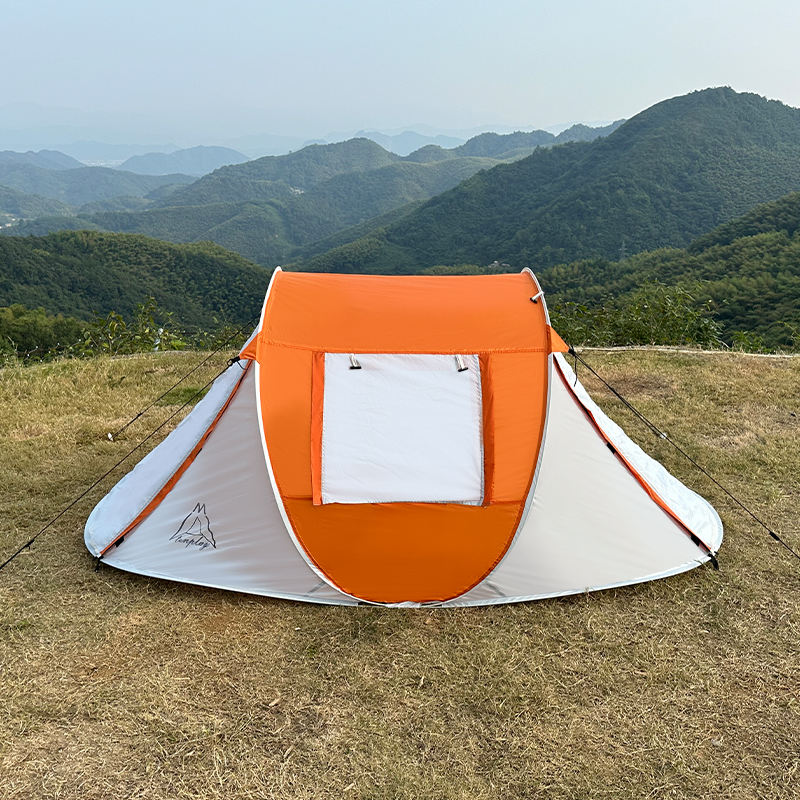
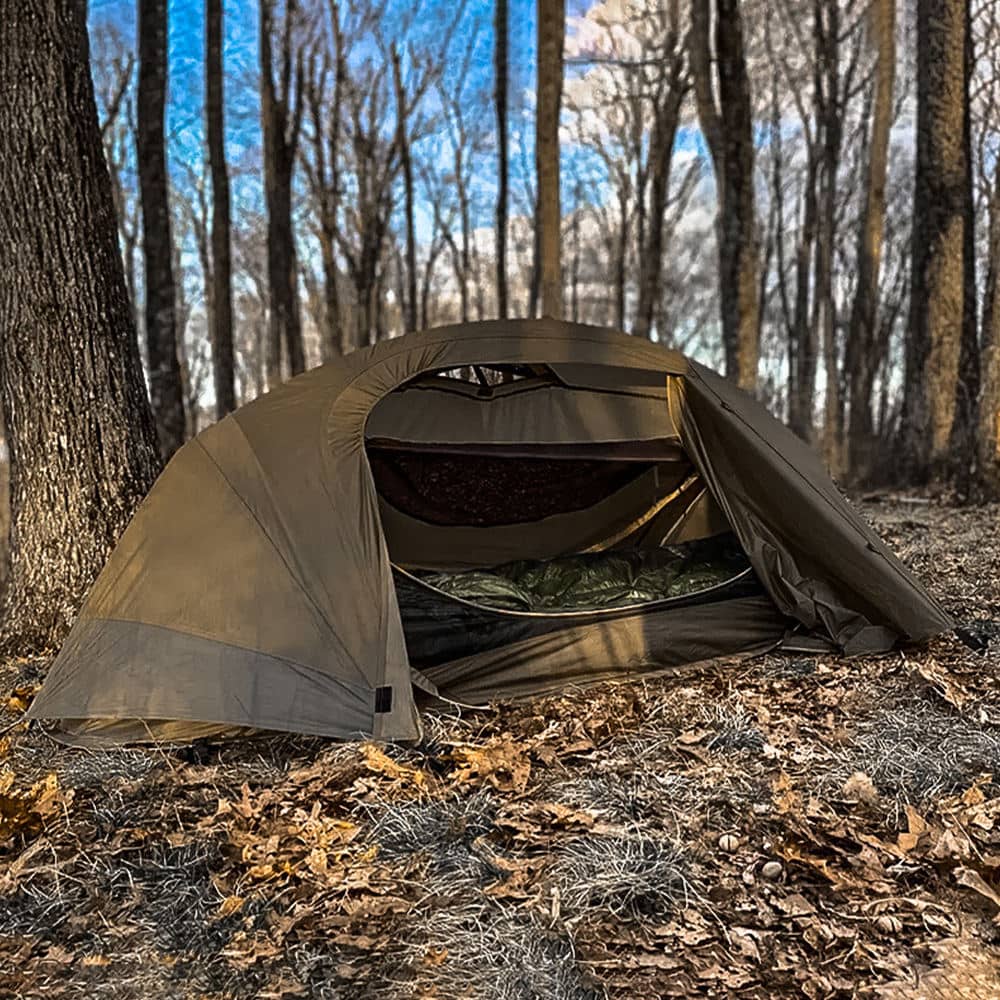
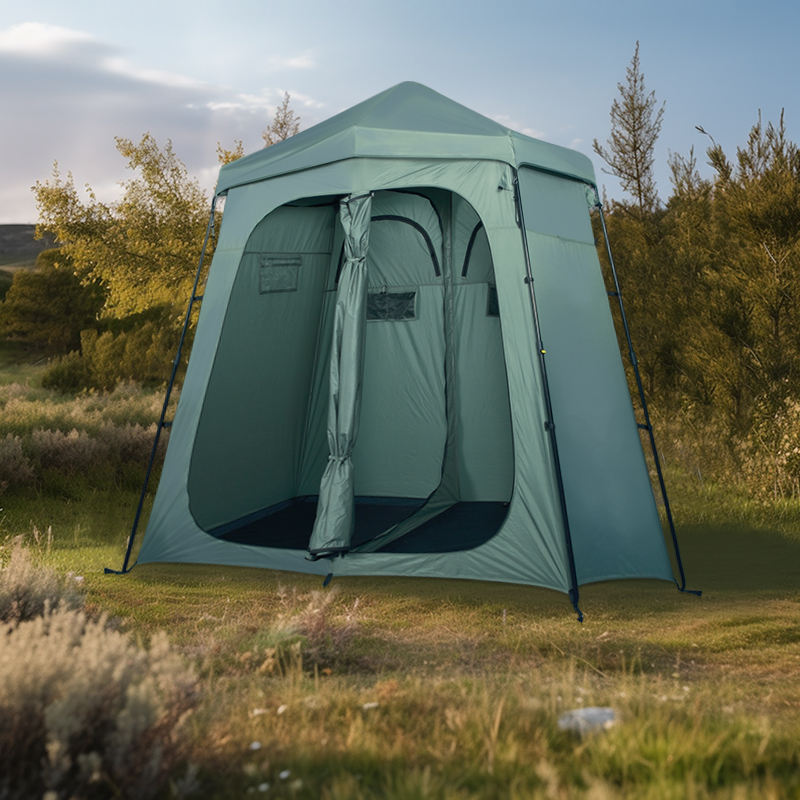
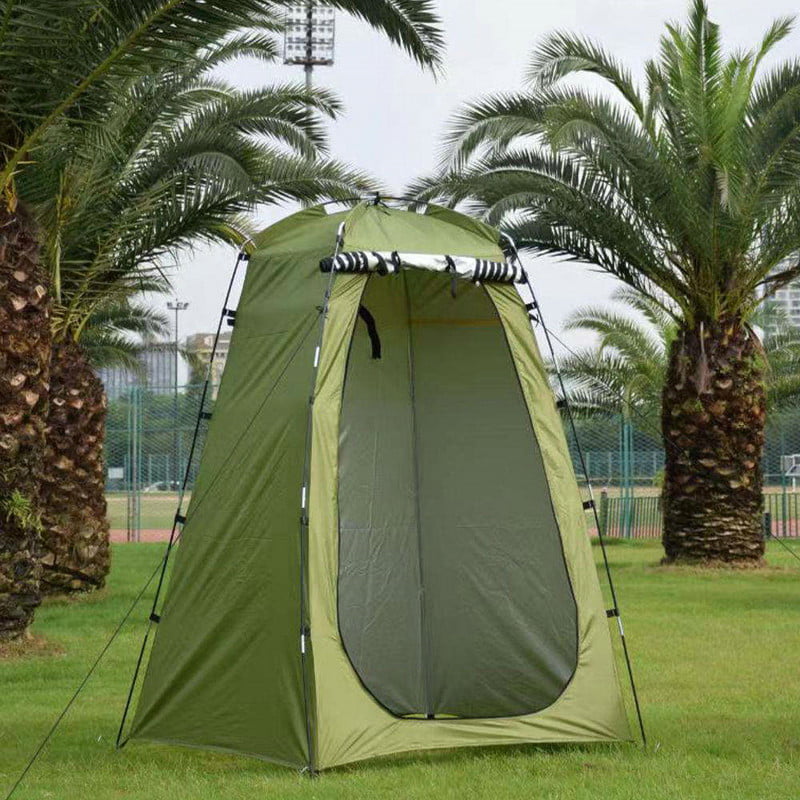
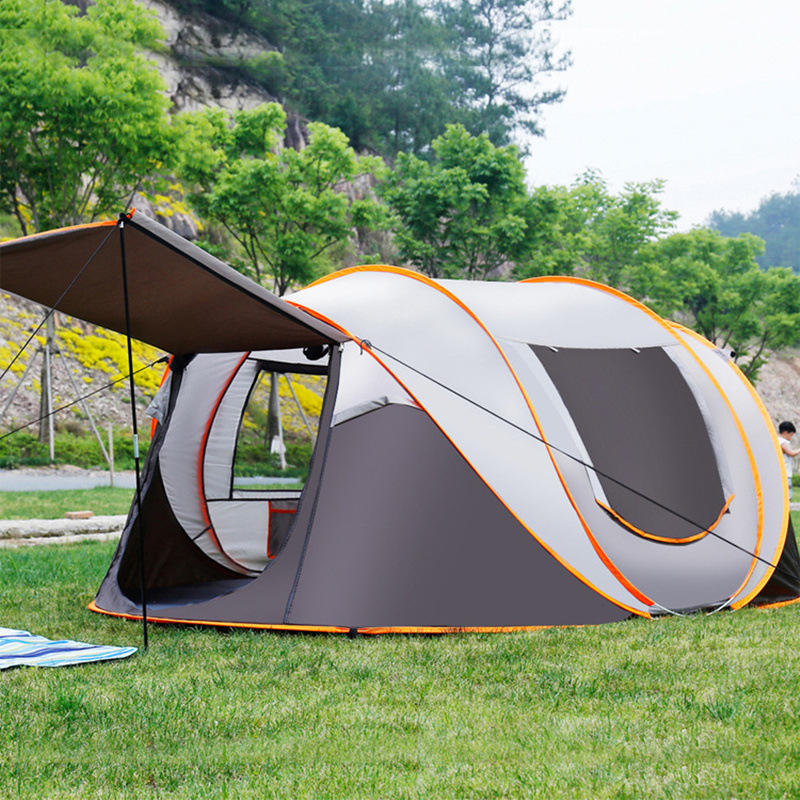
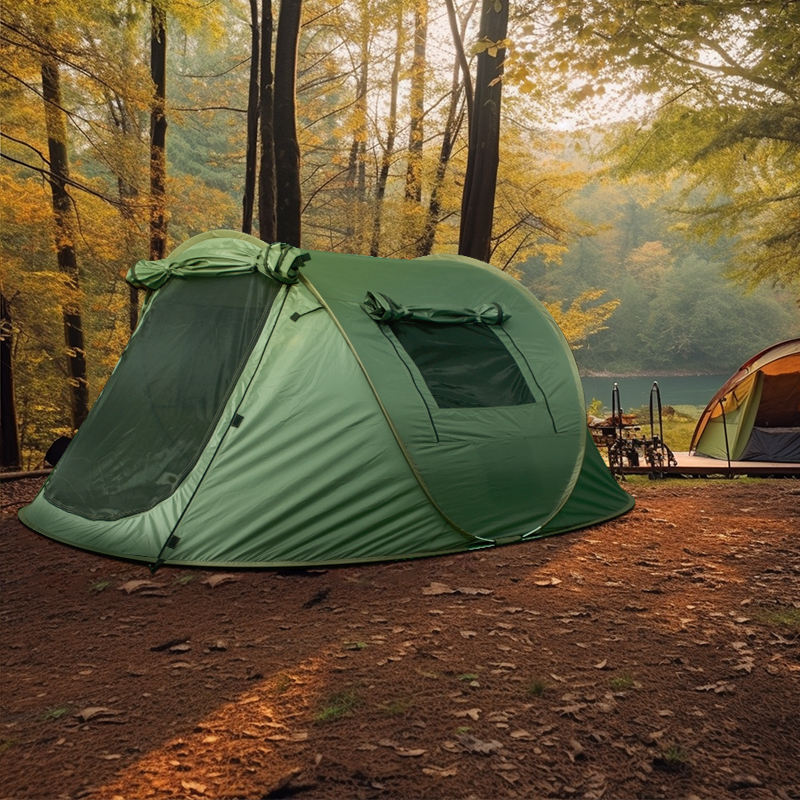
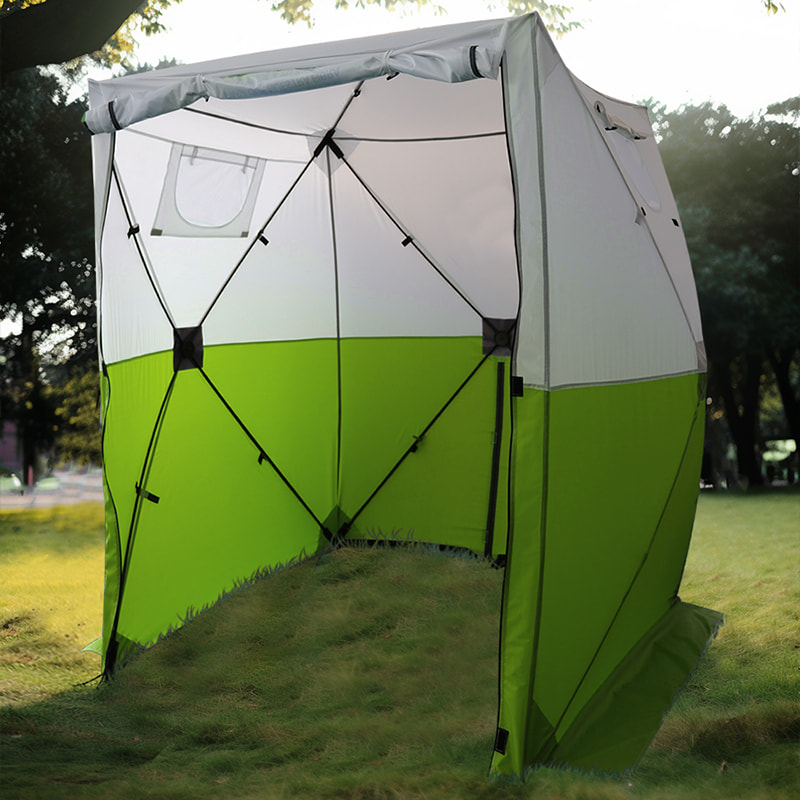
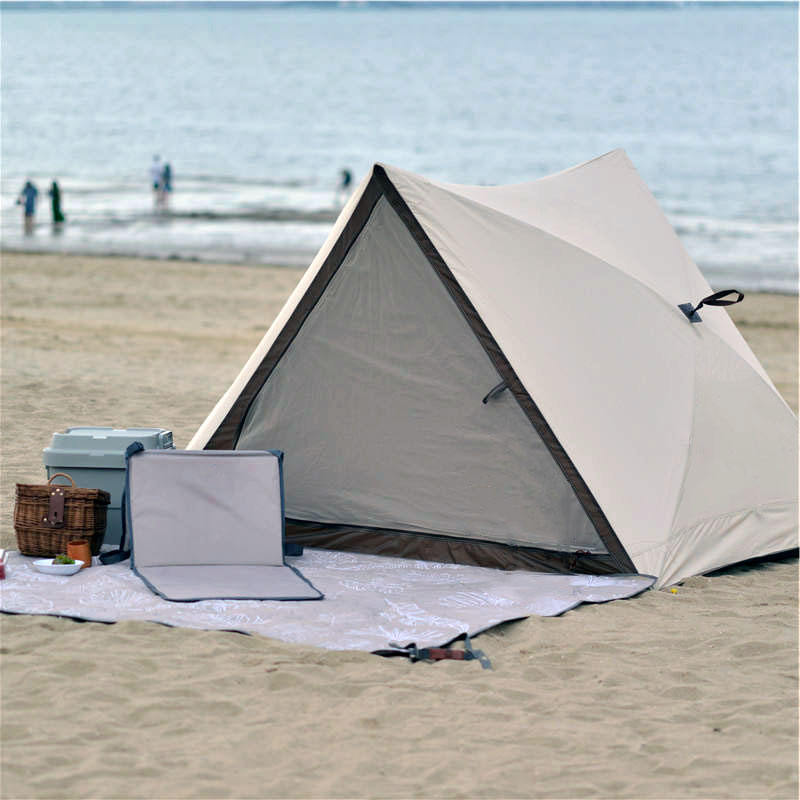
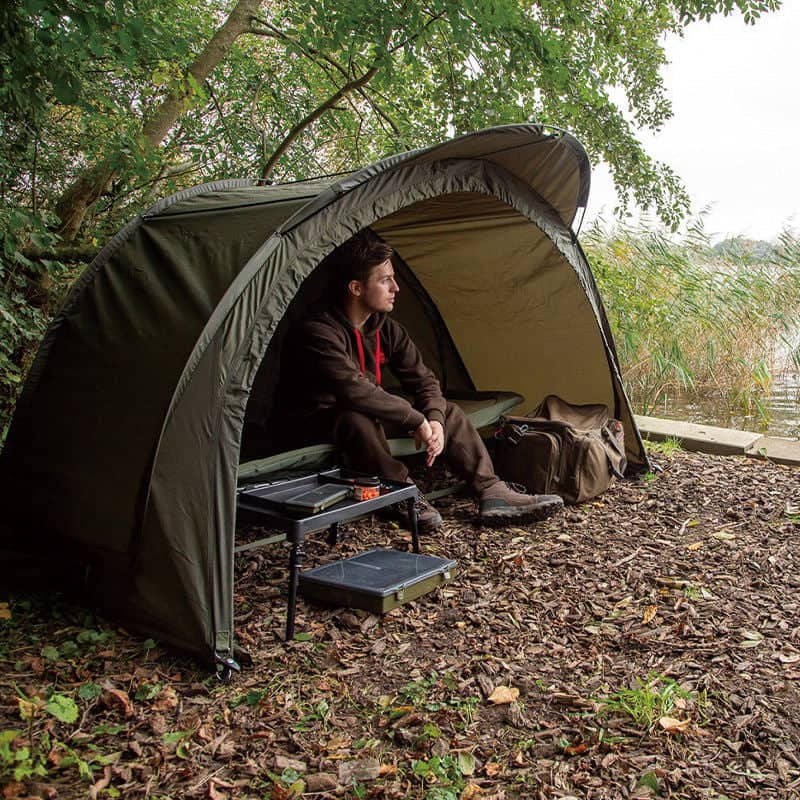
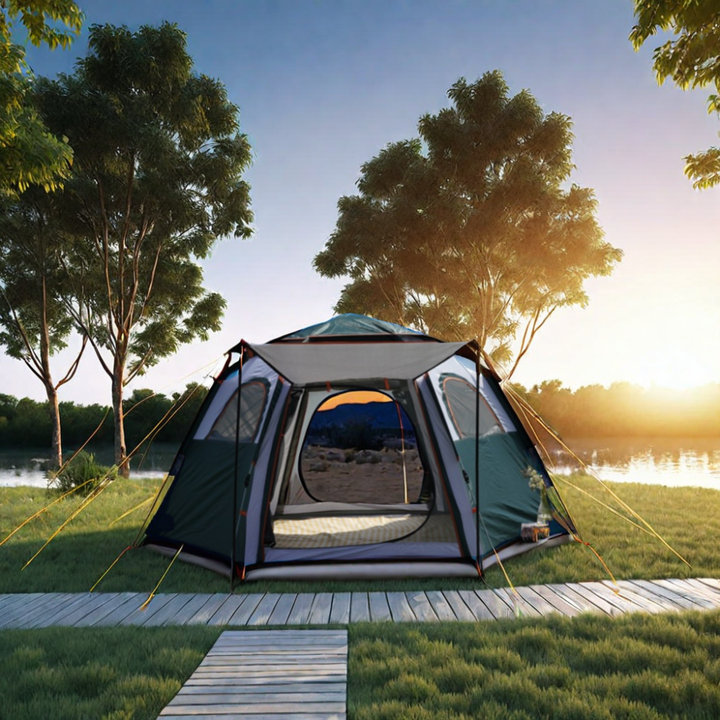
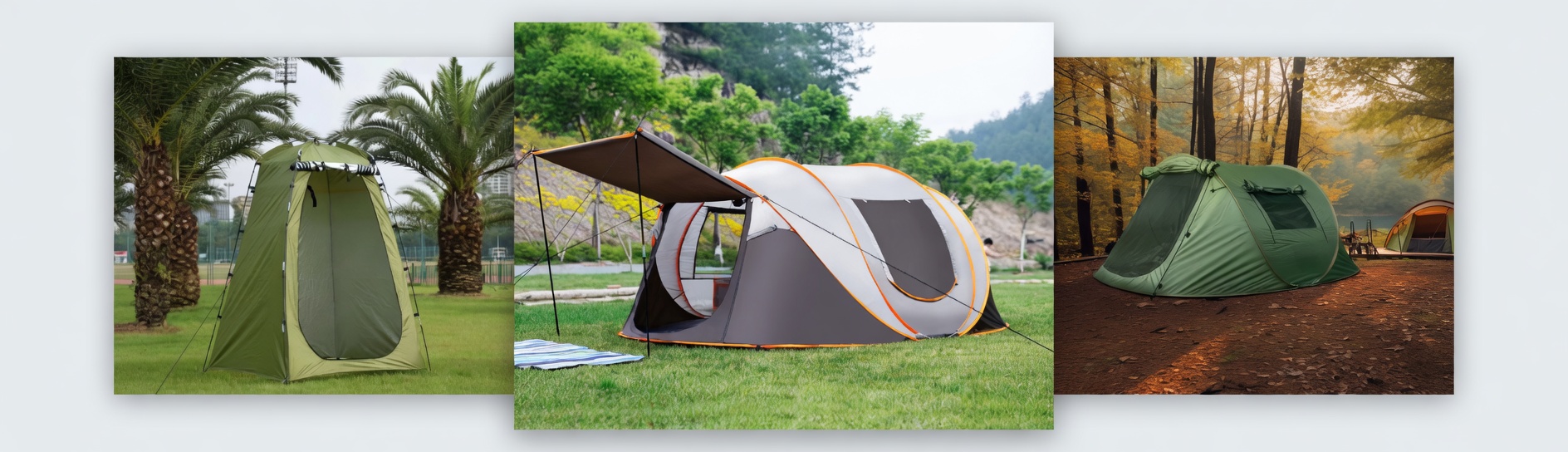
Automatic and pop-up tents (Automatic & Pop-Up Tents) are a type of functional outdoor product designed for convenience, efficiency, and user-friendly experience. They are widely used in leisure camping, weekend outings, music festivals, beach activities, and emergency temporary accommodation scenarios. Compared to traditional tents, their core advantages lie in "quick deployment and easy storage", significantly reducing the setup threshold and enabling non-professional users to complete independent installation within a short time, significantly enhancing the overall user experience. They are particularly suitable for family users and beginner outdoor enthusiasts. Tenplay offers a variety of automatic and pop-up tent solutions, including fully automatic spring structure tents, hydraulic support tents, Hub structure quick-opening tents, and portable throw-throw tents, among other forms, suitable for different capacities and usage scenarios. The overall design emphasizes structural integration and operation simplification, achieving true "ready-to-use" in terms of stability. In terms of material selection, the products balance lightweight and durability, possess good waterproof, sun protection, and tear resistance properties, to adapt to the changing outdoor environment. Additionally, Tenplay focuses on detail optimization, such as ventilation system design, rational space layout, and convenient storage, further enhancing the user experience. In terms of production and services, Tenplay has a stable large-scale production capacity and a mature supply chain system, capable of achieving efficient delivery and cost control while maintaining consistent quality. It also supports OEM/ODM customization services to help customers develop differentiated products based on target market demands, quickly enter the high-demand category of automatic and pop-up tents, and achieve continuous growth in the competitive outdoor market.
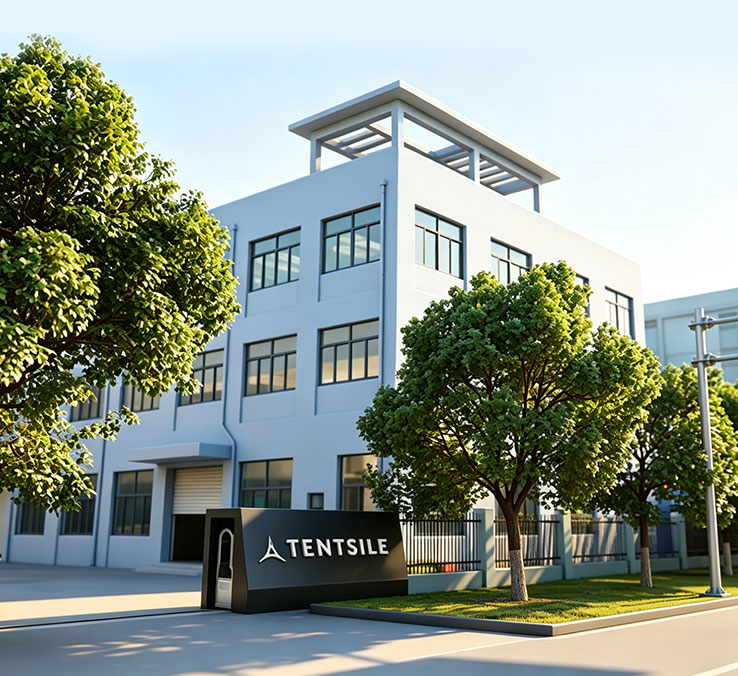
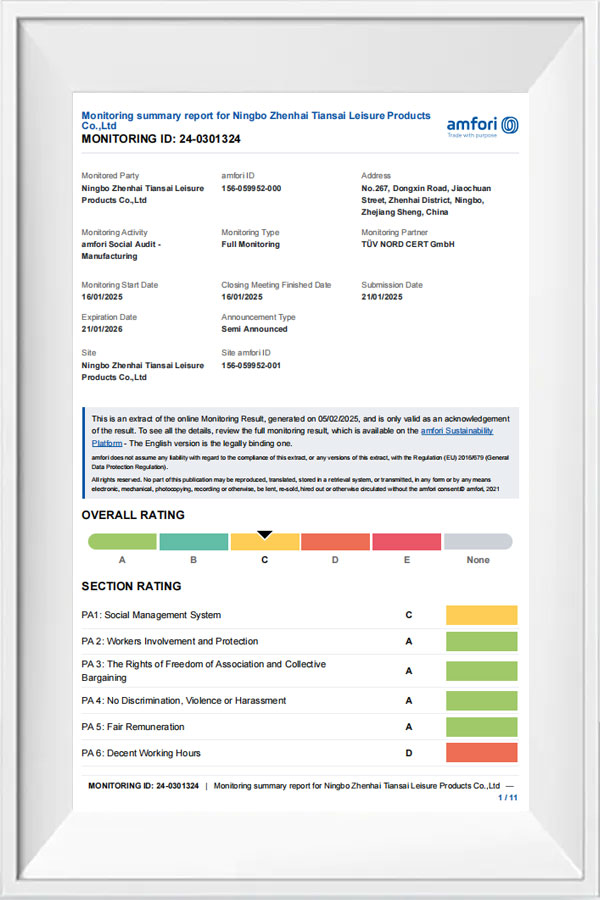
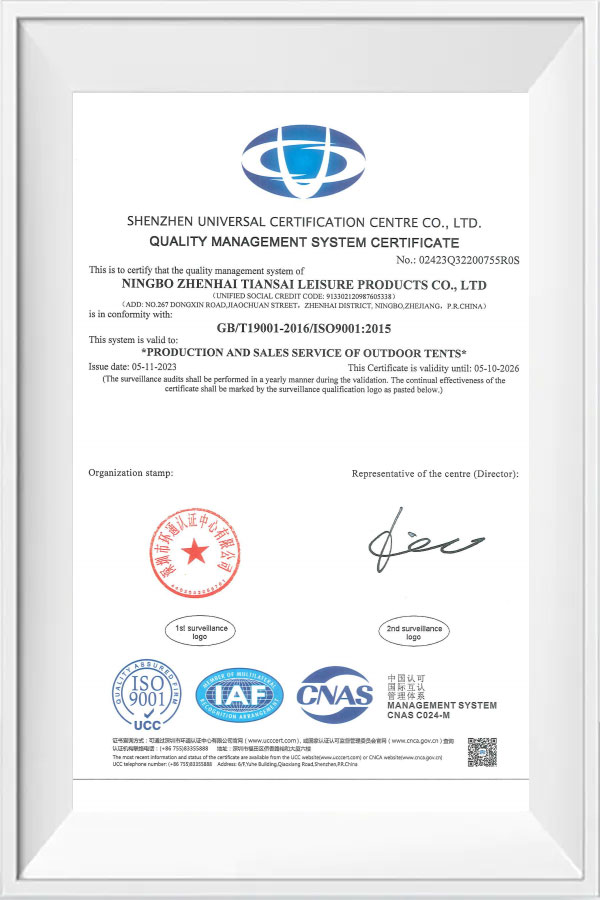
Ningbo Zhenhai Tiansai Leisure Products Co., Ltd. is a well-known brand enterprise specializing in the design, production and sales of Quick Setup Design with Lightweight and Portable Structure. Headquartered in Zhenhai District, Ningbo City, Zhejiang Province, the Custom Pop-up Tent Factory has a covering an area of over 13,000 square meters. Leveraging Ningbo's geographical advantage as an important port city, the company's products are exported to many countries and regions around the world.
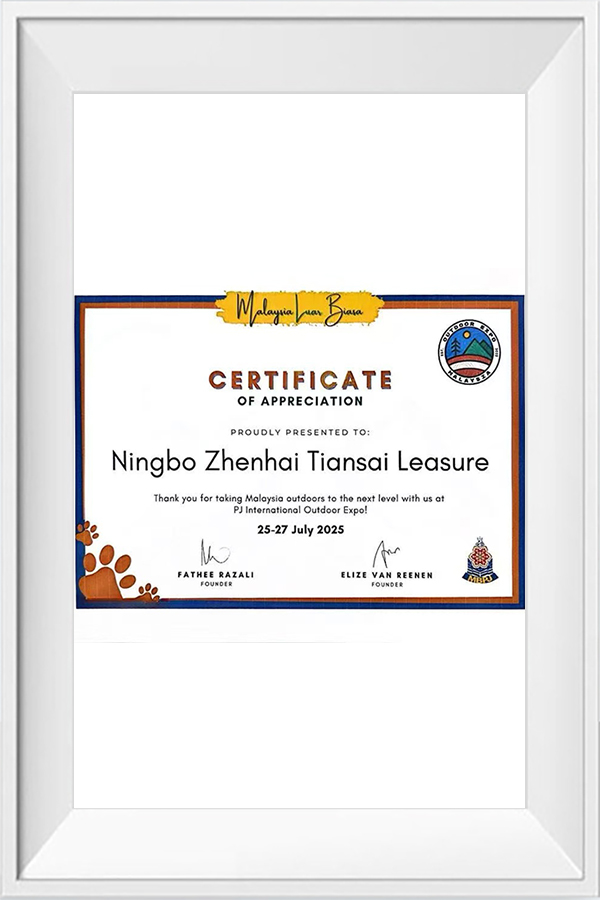
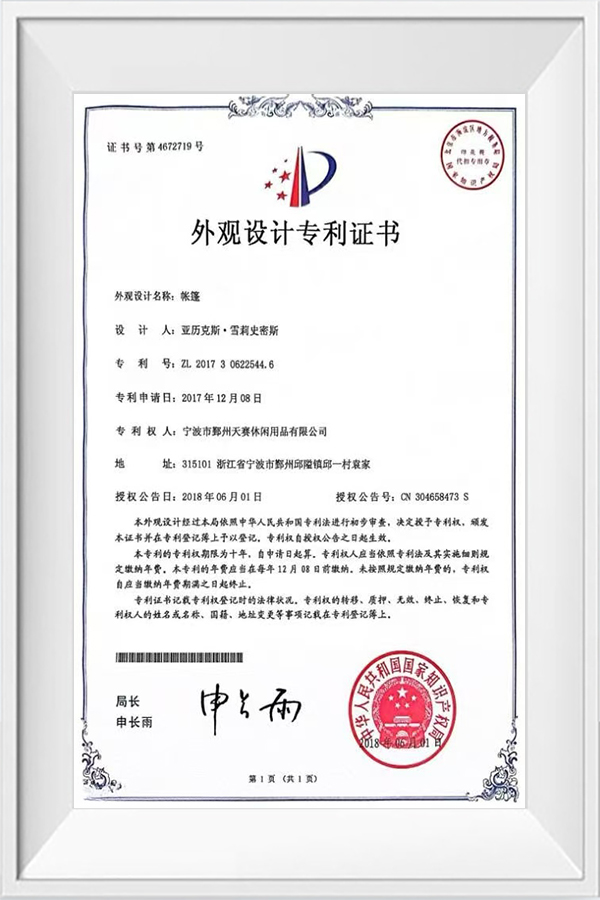
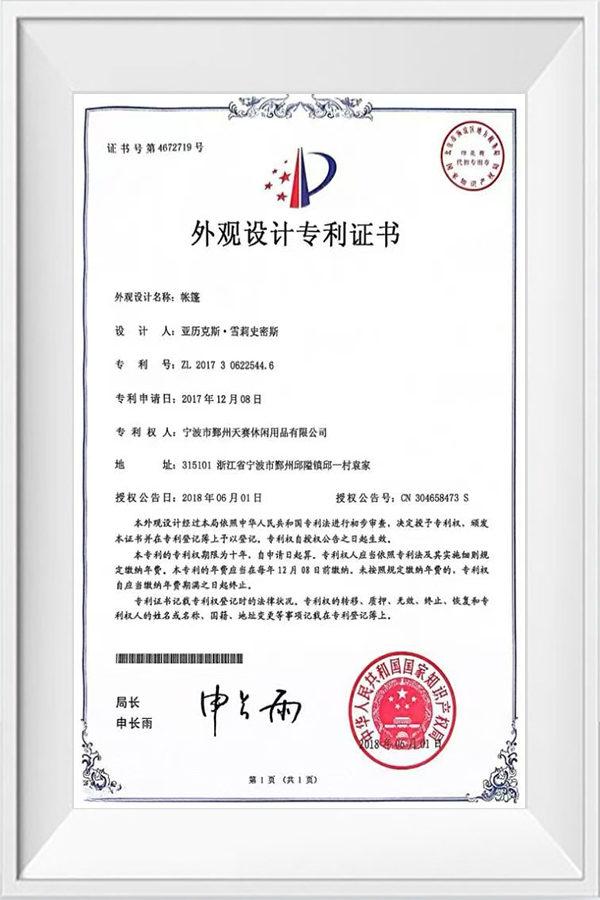
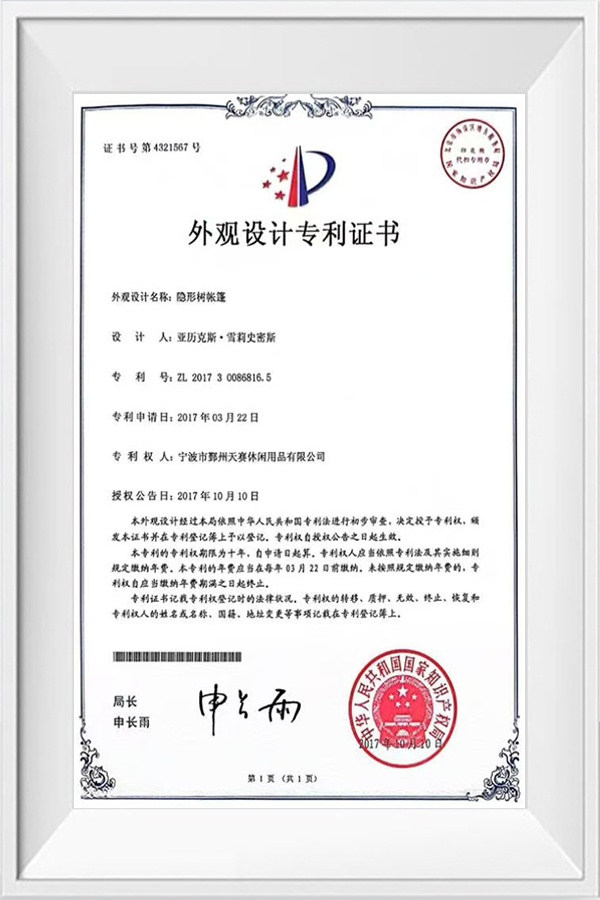
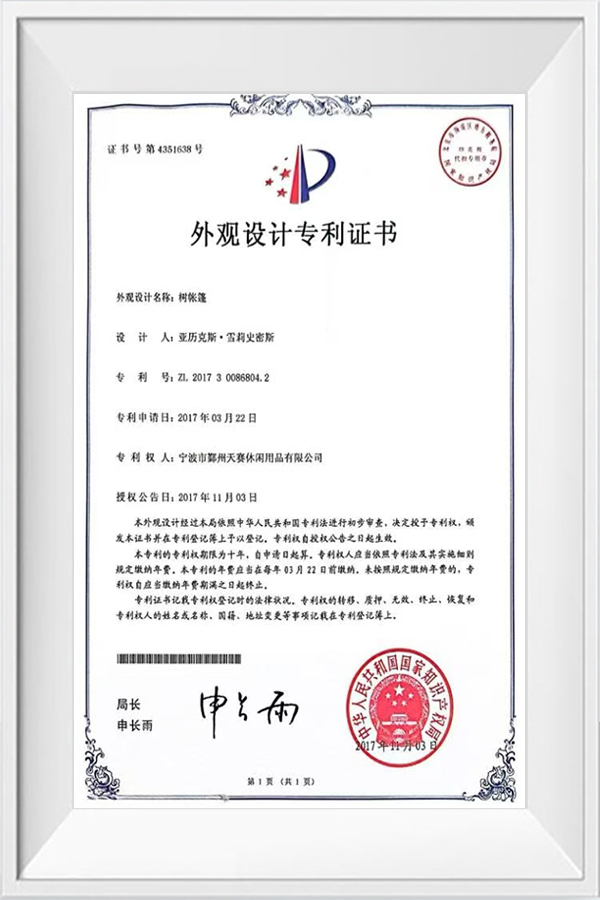
Since its establishment, Tiansai Leisure has become the sole global designated supplier of the British company TENTSILE, and has successfully designed and obtained a number of appearance patents and utility model patents. With excellent quality and outstanding performance, its products have won wide recognition and popularity in North America, Europe, Asia and other regions.
Our Updates
Automatic & Pop-Up Tents
Automatic and pop-up tents solve one problem really well — getting a shelter standing without anyone needing to know what they're doing. The frame comes pre-attached to the tent body from the factory, which cuts out most of the setup steps that trip up first-timers with traditional tents.
Pop-up models typically rely on a spring-loaded steel wire frame. Pull it out of the storage bag, let go, and the whole structure springs into shape almost on its own — no assembly required. That mechanism shows up constantly in beach tents, park shelters, kids' camping tents, festival setups, and other lightweight leisure gear where speed matters more than heavy-duty performance.
Automatic tents take a slightly different approach, usually built around pre-attached fiberglass poles or a hydraulic opening frame. Lift the central support, pull it, or press it down, and the tent locks into position on its own. This style tends to show up in family camping tents, weekend camping gear, and products meant for short trips rather than extended stays.
The opening mechanism gets most of the attention, but it's rarely the deciding factor in whether a tent holds up over time. What really separates a good model from a mediocre one comes down to a longer list — how hard it is to fold back down, how compact it packs, frame strength, fabric durability, waterproof performance, ventilation, how clear the instructions are, and whether it still performs the same after months of use.
A tent that pops open effortlessly but fights you every time you try to pack it away creates exactly the kind of frustration that leads to returns and bad reviews. A frame that looks solid enough in product photos can still fail after repeated flexing if the material or joint design wasn't built for it. Getting this right means treating convenience, structural integrity, material quality, packed size, and overall cost as one connected equation — not as separate boxes to check.
Suitable Markets and Use Scenarios
Automatic and pop-up tents are designed for outdoor leisure markets where users prioritize fast setup, practical pricing, and convenient portability. They are generally positioned for casual camping rather than professional expedition use.
Family Camping and Weekend Outdoor Trips
Family users typically value comfort, ventilation, and easy operation. One-click or quick-open structures are especially suitable for trips involving children or short outdoor stays.
Family camping, weekend camping, self-driving trips, children's camping activities, campsite overnight stays, entry-level camping kits, holiday outdoor product ranges.
Sleeping capacity accuracy, usable floor space, ventilation design, mesh windows, door size, groundsheet quality, and internal storage pockets.
Beach, Park, and Casual Outdoor Use
Pop-up tents are widely used for parks, beaches, gardens, picnics, and short rest activities where lightweight structure and quick setup are essential.
UV-resistant fabric, large mesh panels, strong airflow, lightweight carry bag, sand pockets or ground stakes, easy-clean groundsheet, compact folded size.
Sun protection, ventilation, portability, and simple folding are often more important than high-level waterproof performance.
Festivals, Events, and Temporary Outdoor Stays
These scenarios require tents that can be quickly distributed, easily understood, and repeatedly used by users with minimal camping experience.
Fast-opening structure, clear folding instructions, strong zippers, reinforced stress points, stable anchoring, efficient packing design, consistent production quality.
Weak stitching, unstable frames, missing accessories, or unclear instructions may lead to higher complaints and replacement costs.
Online Outdoor Product Sales
Automatic and pop-up tents perform well in e-commerce channels because setup can be clearly demonstrated. However, product accuracy is critical, as discrepancies quickly lead to returns and negative reviews.
Accurate open size, packed size, real interior space, correct weight, strong carton packaging, complete accessories, and consistent product images.
Easy setup and storage, accurate specifications, and reliable packaging help reduce returns and improve product ratings.
Materials and Structural Options
Material and frame selection directly affects product price, performance, durability, packed size, and market positioning. Entry-level promotional tents may use simpler structures, while family camping models require stronger materials and more reliable construction.
Common Fabric Options
Lightweight, cost-efficient, and widely used for general outdoor and automatic pop-up tents.
Stronger wear resistance, suitable for family camping tents and more durable outdoor products.
Reinforced weave structure that helps reduce tearing and improves overall fabric strength.
Waterproof performance can be adjusted through coating levels depending on product grade.
Waterproof rating, seam construction, and rainfly design should always be evaluated together. UV-resistant fabric is also commonly used for beach shelters, sunshade tents, and summer outdoor products.
Frame and Opening Systems
The frame system is the core structure of automatic and pop-up tents. It directly impacts opening speed, folding difficulty, durability, and overall stability.
Lightweight and flexible, commonly used in entry-level and family camping tent structures.
Fast pop-up design with quick opening performance, requiring clear folding guidance for users.
Provides stable structure and easier operation, commonly used in larger camping tent models.
Helps improve opening efficiency and user convenience for quick setup outdoor products.
Functional Details
Small design details often have a strong impact on real user experience, especially in mass-market camping products.
Mesh doors and windows, waterproof rainfly, integrated or detachable groundsheet, ventilation panels, double-door layout, storage pockets.
Wind ropes, ground stakes, carry bags, zipper systems, and airflow mesh panels for insect protection and comfort.
Details such as smoother zippers, wider doors, stronger carry bags, and clearer instruction labels can significantly improve user satisfaction and reduce setup frustration in real outdoor use.
FAQ About Automatic & Pop-Up Tents
This section answers common questions about automatic and pop-up tents, including structure differences, material selection, waterproof performance, customization, and purchasing considerations.
1. What is the difference between automatic tents and pop-up tents?
Automatic tents use pre-connected poles or hydraulic support systems and open by lifting or pressing the frame. Pop-up tents use elastic steel wire frames that spring into shape immediately after removal from the carry bag.
2. What markets are these tents suitable for?
Suitable for family camping, weekend trips, beach use, park picnics, festivals, outdoor events, children's camping, short road trips, rental projects, retail stores, and e-commerce sales.
3. What materials are commonly used?
Common fabrics include polyester, Oxford, ripstop, PU-coated, waterproof, and UV-resistant materials. Frame options include fiberglass poles, elastic steel wire frames, hydraulic supports, and pre-connected systems.
4. What waterproof rating should be selected?
For beach and daytime use, moderate waterproofing is sufficient. For overnight or rainy conditions, higher waterproof ratings, rainfly coverage, seam sealing, and reinforced groundsheets are recommended.
5. What should be checked before confirming an order?
Check opening speed, folding ease, packed size, weight, frame strength, fabric quality, waterproof level, ventilation, stitching, zippers, accessories, packaging, and instruction clarity.
6. Can size, color, and logo be customized?
Yes. Custom options include size, capacity, fabric, color, waterproof level, UV protection, structure, doors and windows, mesh panels, logo printing, packaging, and accessories.
7. What packaging options are available?
Options include carry bags, color cards, retail boxes, instruction manuals, barcode labels, and export cartons. Strong packaging is recommended for e-commerce sales.
8. What accessories are usually included?
Standard accessories include carry bags, ground stakes, wind ropes, instruction sheets, and repair patches. Optional upgrades include enhanced stakes, extra ropes, and customized kits.
9. Are these tents suitable for e-commerce sales?
Yes. They are ideal for online sales due to easy demonstration. Key factors include accurate sizing, real photos, clear instructions, complete accessories, and strong packaging.
10. How to choose the right model?
Choose lightweight UV-protection pop-up tents for beach use, stronger waterproof automatic tents for family camping, and simple cost-efficient models for events and promotions.
Message Us Right Now!
-
Mp: +86-18858091910
E-mail: sales@tenplaytent.com
Mp: +86 15343681553
E-mail:serena@tenplaytent.com
ADD: No. 529, Guangyuan Road, Xiepu Town, Zhenhai District, Ningbo City, Zhejiang Province, China
-
Quick Links
Home Products About Us Advantage News Contact Us -
Product
Inflatable & Air Tents Glamping & Resort Tents Backpacking & Trekking Tents Automatic & Pop-Up Tents Family & Camping Tents Specialty Tents & Shelters Kids Tents Pet Tents Humanitarian & Large Tents Hammock -
Get Connected
 OEM & ODM Pop Up Tent Solutions