


 English
  عربى
عربى 

Bivvy & Swag Tents
Product Category
Contact us
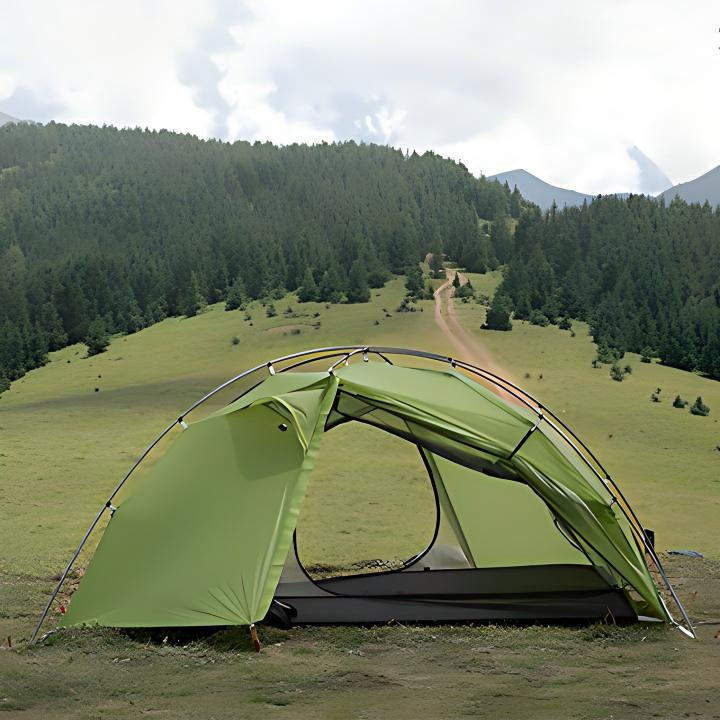
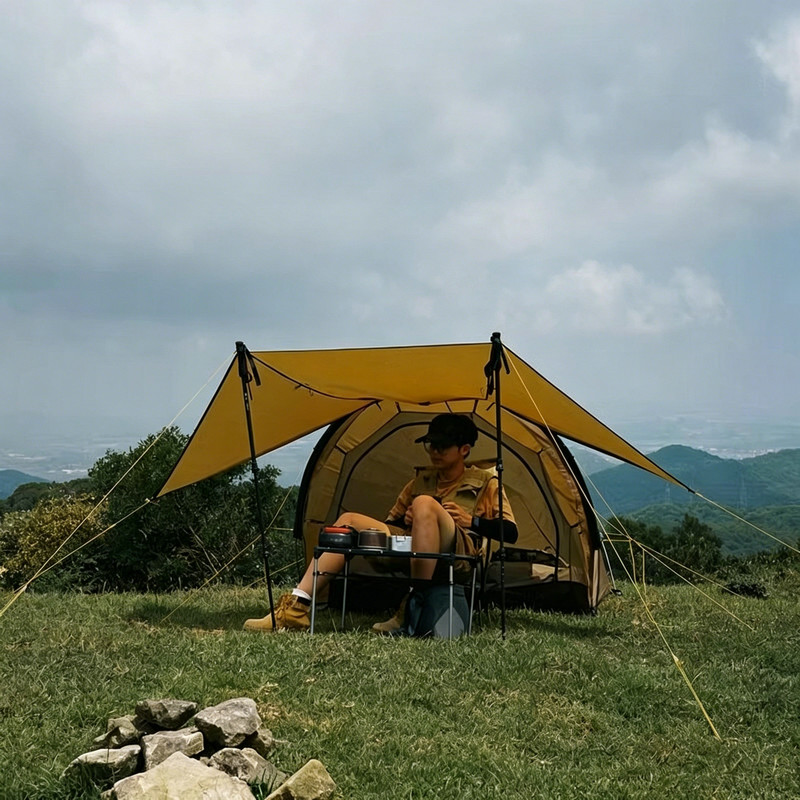
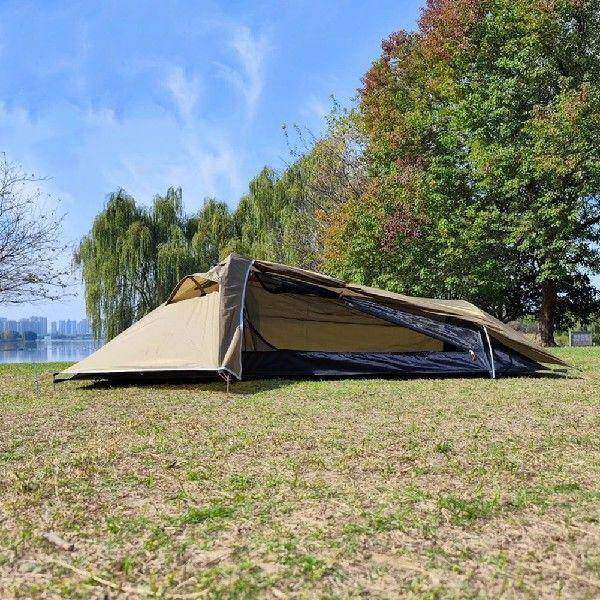
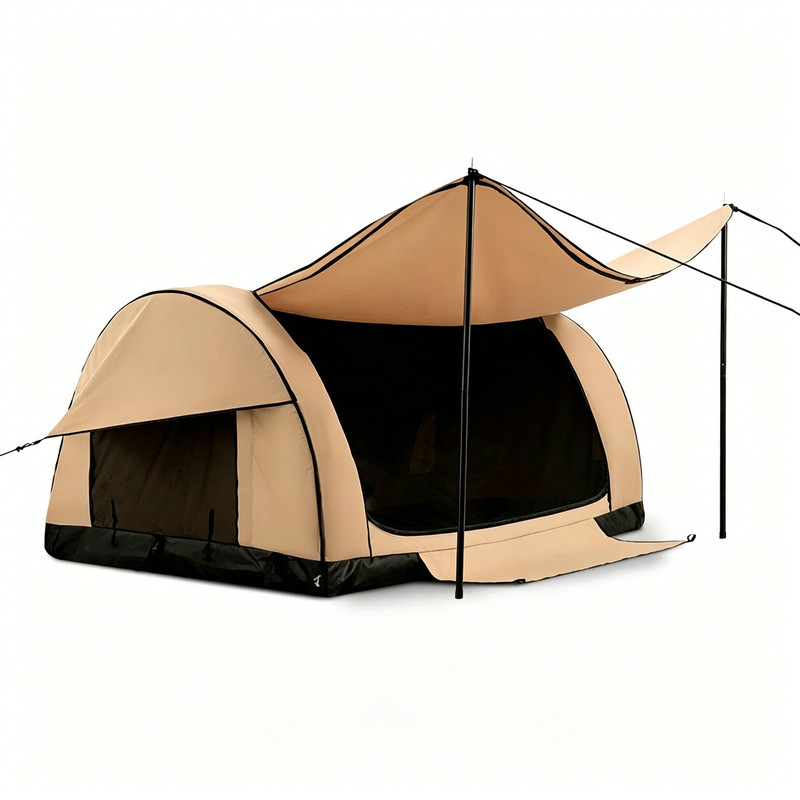
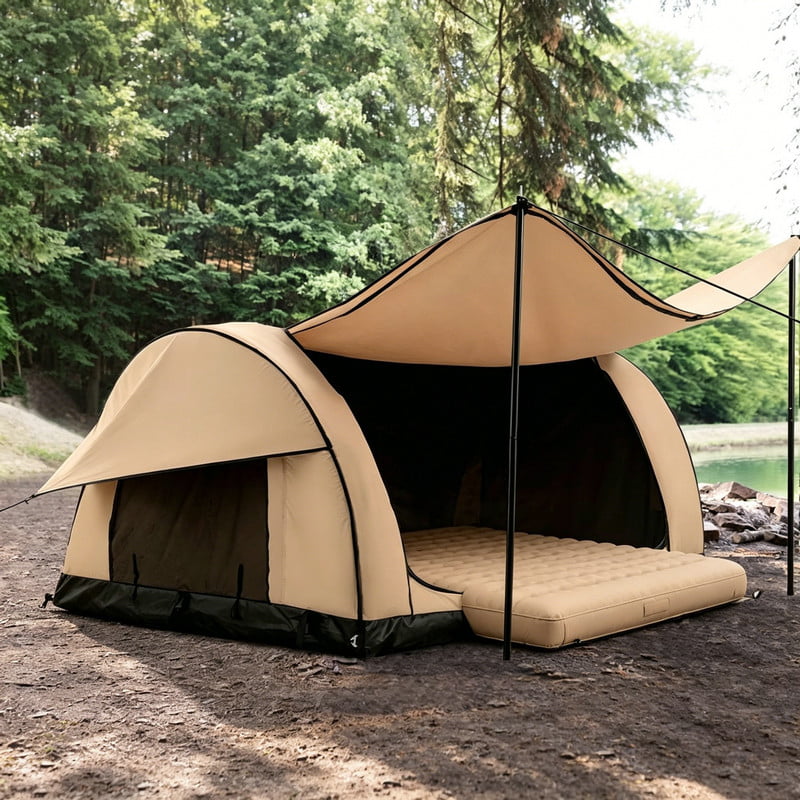
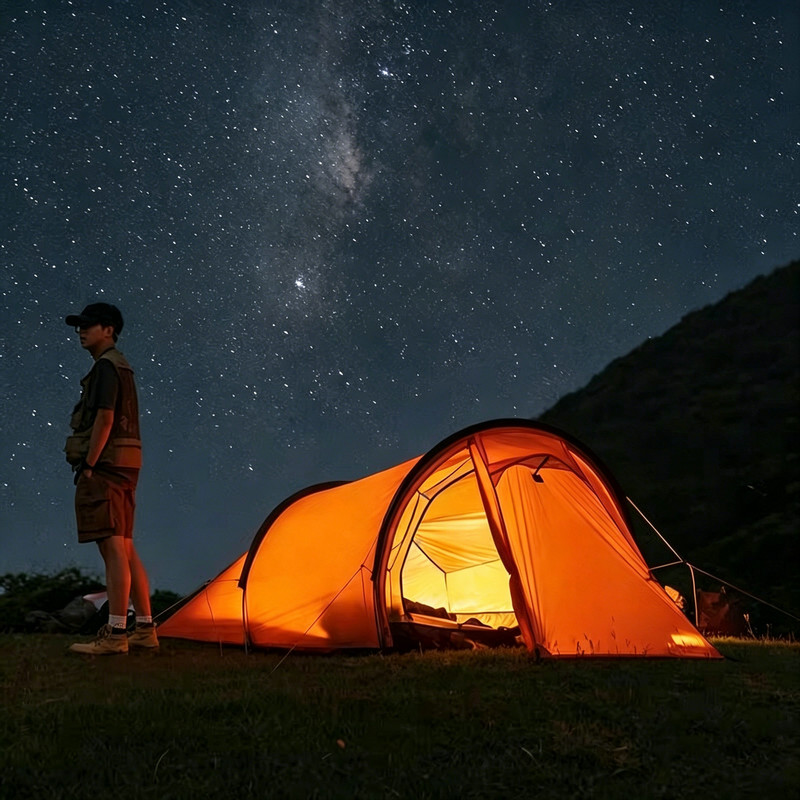
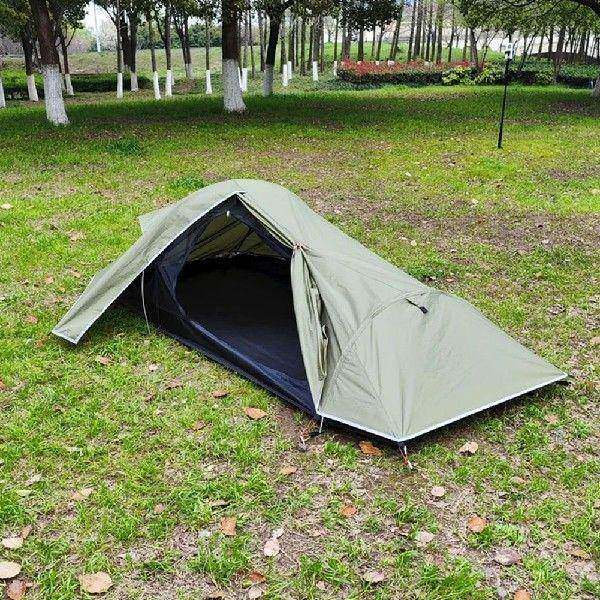
Bivvy and swag tents answer a specific need: shelter that a solo hiker or off-road traveler can carry without thinking twice about the weight. Set up takes minutes, the packed size stays small enough to strap to a pack, and once you're inside, it still holds up against wind and rain the way a much bulkier tent would. The trick is in the build — durable fabric paired with a structure that's been trimmed down to essentials without cutting corners on strength.
Tiansai focuses specifically on OEM and custom bivvy and swag tent production, adjusting fabric choice, dimensions, and structural details to match whatever a brand has in mind. That flexibility covers a wide range — from ultralight tents meant for long hikes to heavier canvas builds designed for demanding regional conditions — with manufacturing and customization handled as a single, streamlined process from concept through to finished product.
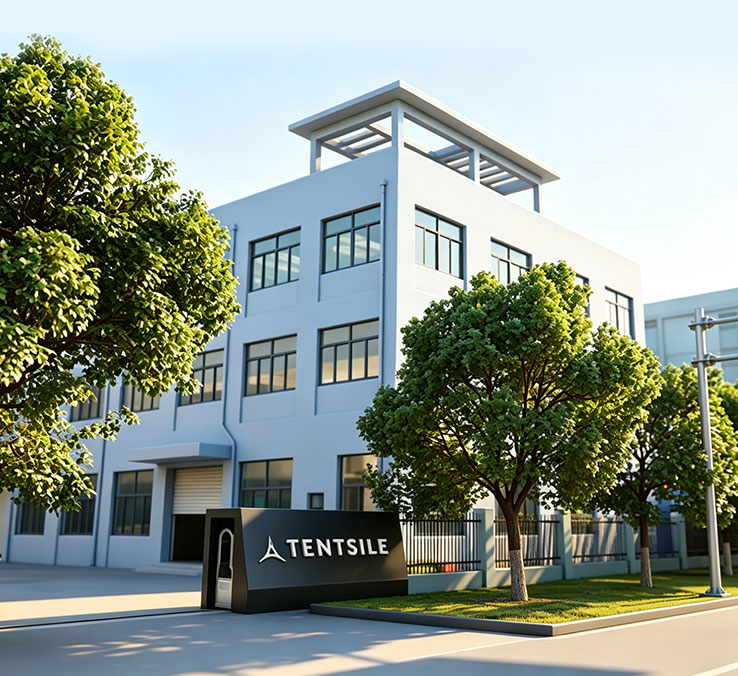
Ningbo Zhenhai Tiansai Leisure Products Co., Ltd. is a well-known brand enterprise specializing in the design, production and sales of Outdoor Swag Shelter. Headquartered in Zhenhai District, Ningbo City, Zhejiang Province, the Bivy Tent & Swag Tent Factory for Ultralight Outdoor Shelter has a covering an area of over 13,000 square meters. Leveraging Ningbo's geographical advantage as an important port city, the company's products are exported to many countries and regions around the world.
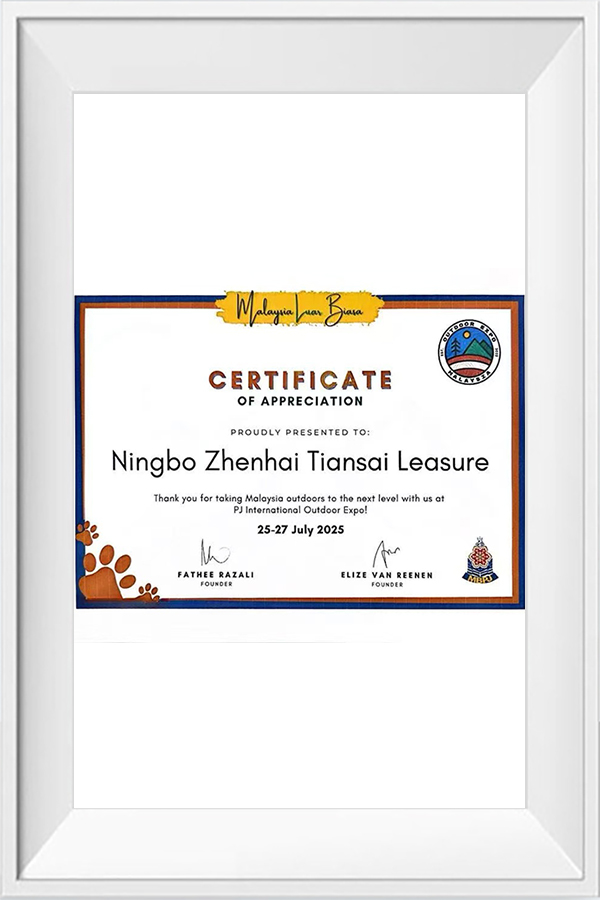
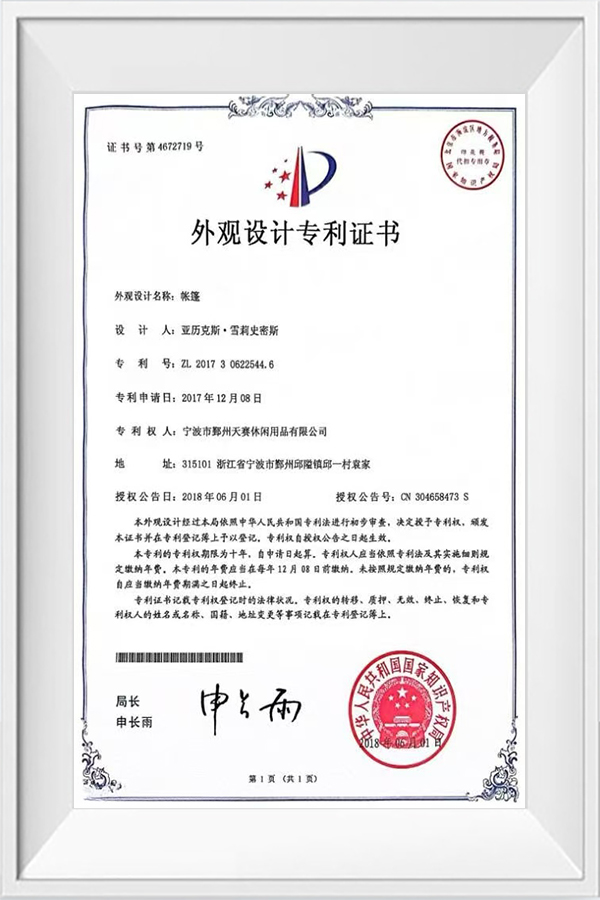
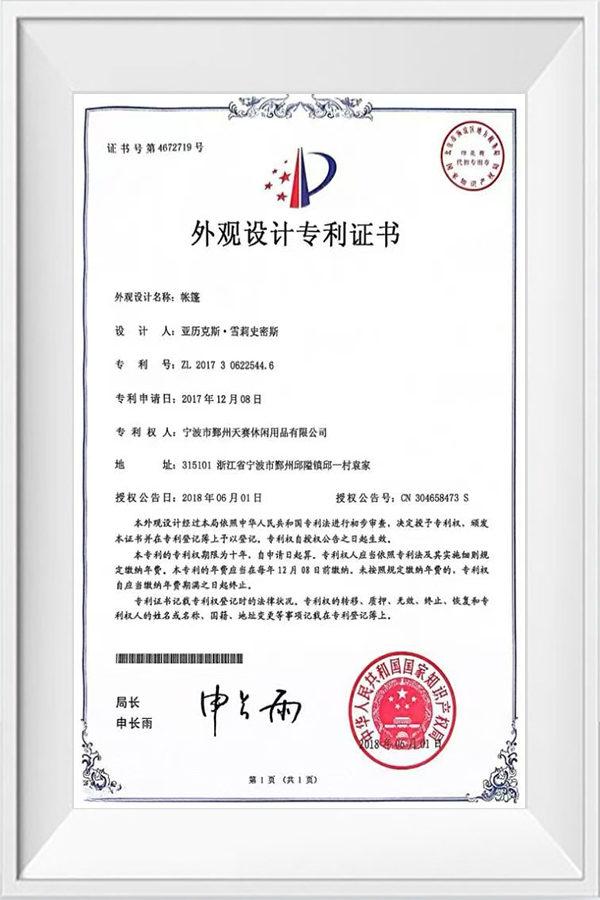
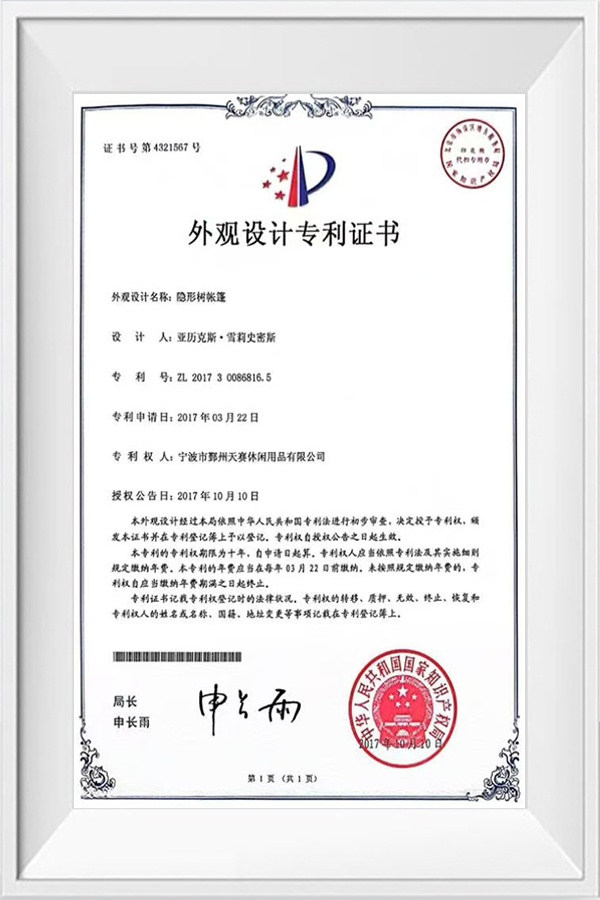
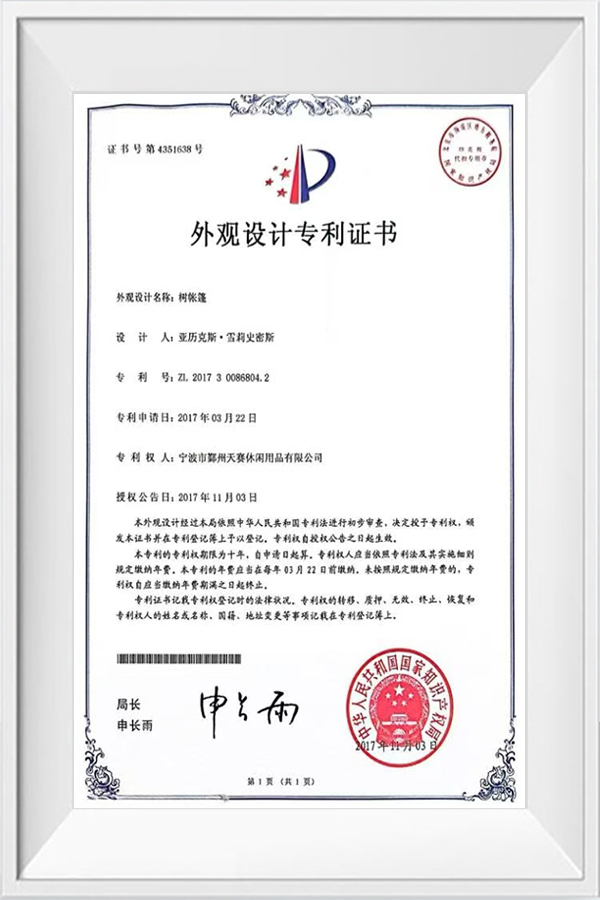
Since its establishment, Tiansai Leisure has become the sole global designated supplier of the British company TENTSILE, and has successfully designed and obtained a number of appearance patents and utility model patents. With excellent quality and outstanding performance, its products have won wide recognition and popularity in North America, Europe, Asia and other regions.
Our Updates
Bivvy and Swag Tents: A Practical Look at Solo Shelters and Weather-Ready Camping Systems
Bivvy and swag tents have grown into two distinct answers to the same basic question — how does one person shelter well outdoors without carrying more than necessary? One path leans toward minimal packed size, quick pitching, and enough protection to get through hiking, cycling, fishing, or emergency situations. The other leans toward toughness and sleeping comfort, built for overland travel, vehicle-based camping, and the kind of extended outdoor living Australians have long practiced. Anyone developing product lines in this space benefits from understanding how structure, material, use case, and manufacturing details differ across the category — that knowledge shapes which direction fits which market.
What Are Bivvy and Swag Tents, Exactly?
A bivvy tent, at its core, is a compact solo shelter built around one job: keeping a sleeping person protected overnight. Think of it as the stripped-down cousin of a full-size tent — it handles wind, rain, insects, and ground moisture while staying light enough to carry without a second thought. What it doesn't try to do is offer living space; efficiency, not room to move around, is the point.
Within product development, bivvy designs stretch across a spectrum — from bare-bones bivy sacks all the way to structured ultralight bivy shelters that add poles, mesh panels, a small vestibule, or a partial canopy. Some newer versions skip poles entirely in favor of air-supported tubes, creating what's now called an inflatable solo shelter — faster to set up, less dependent on rigid framework. Each variation targets a different type of user, which is exactly why nailing down the design direction before sampling and material selection matters so much.
Swag tents come from a different tradition, rooted in Australian camping culture and overland travel. A typical swag brings together a sleeping area, a protective outer shell, a durable base, and often enough room for a mattress — all within one self-contained unit. Set next to a lightweight bivvy, a swag clearly shifts priorities toward comfort, durability, and holding up over longer stretches outdoors.
Canvas swag shelters take that a step further, usually built from heavier canvas with reinforced flooring, curved support poles, and generous ventilation openings. These show up most in vehicle camping, off-road trips, farm stays, fishing expeditions, and outdoor work that stretches across days rather than a single night. Even though bivvy and swag tents both target solo users, the logic behind their design, the materials chosen, and the way quality gets tested diverge significantly.
Where Do These Shelters Actually Get Used?
Bivvy tents make the most sense wherever mobility matters more than anything else. That covers hiking, mountaineering, cycling, fishing, solo camping, hunting trips, and emergency shelter situations — scenarios where someone moves from one campsite to the next and needs gear that packs down fast and goes up without a fight.
For alpine or high-exposure hiking, a low-profile bivvy tent cuts down wind resistance and squeezes into tight or uneven ground where a bigger tent simply wouldn't fit. A well-built ultralight bivy offers noticeably more protection than a sleeping bag alone, without turning the shelter system into something complicated. Small details — bug mesh, enough headroom to move slightly, a waterproof floor, vents that actually adjust — end up making a real difference to how comfortable the night feels.
Swag tents show up more often in overland travel, camping right beside a vehicle, and the kind of long-duration outdoor living common across Australia. Because swags typically use thicker fabric and heavier floor materials, they weigh more than a lightweight bivvy shelter — but for someone traveling by vehicle, that extra weight rarely matters. What matters instead is durability, sleeping comfort, weather protection, and being able to set up quickly right next to where the vehicle's parked.
Regional habits shape what each market actually wants. Trekking-focused users care about fabric weight, packed size, setup speed, and breathability. Overland campers care more about canvas toughness, waterproofing, how well the floor resists abrasion, zipper strength, and overall sleeping comfort. That gap in priorities is exactly why product positioning needs to happen early, before design decisions get locked in.
Structure and Design: The Details That Actually Matter
This category tends to draw from a handful of structural approaches — tunnel-style builds, single-pole systems, low-profile wind-resistant shapes, compact vestibule layouts, inflatable support tubes, and semi-open sleeping shelters. Tunnel structures squeeze useful interior space out of a narrow footprint, while single-pole setups cut weight and simplify the whole assembly process.
Low-profile shapes show up frequently in bivvy tent design because they reduce wind resistance and hold steadier in exposed conditions. Push the profile too low, though, and comfort and airflow start to suffer — so the real design challenge is balancing shelter height, shoulder room, ventilation, and how small the thing packs down.
Vestibule design deserves its own mention. Even a small one creates space for boots, a backpack, fishing gear, or wet clothing — keeping the sleeping area itself cleaner and drier. For a solo shelter, that compact extension can transform how usable the tent feels once rain or mud enters the picture.
Swag tent structure usually centers on different priorities: easy entry, enough sleeping height, mattress compatibility, and solid ventilation. Arched pole systems, wider doorways, roll-up canvas panels, and mesh windows show up again and again across swag designs. Some newer concepts swap traditional poles for TPU-based inflatable tubes, producing an inflatable solo shelter that sets up faster and flexes with a softer structural feel.
Material Choices: What Drives Waterproofing, Abrasion Resistance, and Comfort
Fabric selection shapes both how a bivvy or swag tent performs and where it lands in the market. Shell fabrics commonly include polyester, nylon, ripstop, canvas, and various coated technical textiles. Polyester holds its shape well and shows up across a wide range of camping shelters, while nylon gets chosen when shaving off packing weight becomes the priority.
Ripstop fabric earns its name through reinforced grid yarns that resist tearing, making it a solid fit for lightweight shelters that still need to survive real-world abuse. Ultralight bivy designs often turn to silicone-coated or PU-coated nylon and polyester — silicone coating adds strength and helps water bead off the surface, while PU coating pairs well with seam taping to lock in consistent waterproof performance.
Canvas dominates swag tent and canvas swag shelter builds thanks to its durability, substantial feel, and suitability for repeated long-term outdoor use. It also tends to create a more stable sleeping environment, particularly in dry or variable climates — though canvas comes with trade-offs: heavier fabric weight, longer drying time, bulkier packed volume, and more upkeep than lightweight alternatives.
Waterproofing isn't just about the coating on the fabric — construction details play just as large a role. Hydrostatic head rating, seam taping quality, floor fabric thickness, stitch density, and reinforcement placement all factor into how the shelter performs once it's actually raining. Groundsheets take the brunt of abrasion, pressure, and moisture, which is why Oxford polyester, PE, PVC-coated fabric, or reinforced waterproof floor materials get used depending on the product tier.
Comfort ties back to material and structure just as much as waterproofing does. Breathable mesh panels, insect netting, adjustable vents, and dual-layer doors all help manage condensation and airflow through the night. Zipper quality, puller design, storm flaps, guyline attachment points, and peg loops might seem like minor details, but they directly affect how the tent performs in the field and how long it holds up over time.
Lightweight Bivvy Tents vs. Canvas Swag Tents: What Actually Separates Them
Lightweight bivvy tents and canvas swag tents cater to fundamentally different outdoor habits. A lightweight bivvy makes sense when someone needs a compact shelter for backpacking, bikepacking, alpine travel, or emergency situations — and the design challenge centers on balancing weight, packed size, waterproofing, structural stability, and airflow all at once.
In an ultralight bivy, nothing is too small to matter. Fabric denier, pole material, coating type, zipper length, mesh coverage, floor fabric, and even carry bag size all shape the finished product. Shaving off weight improves portability, but it also demands more careful handling and tighter manufacturing precision.
Canvas swag tents flip those priorities toward durability and comfort — typically offering more sleeping space, tougher floor material, wider doors, and better compatibility with sleeping mats or built-in foam mattresses. That combination fits vehicle-based travel, overland camping, fishing camps, and outdoor stays that stretch across many days.
The trade-off comes down to this: lightweight bivvy shelters win on portability and storage, while canvas swag shelters win on the feeling of real shelter and sleeping comfort. Deciding between them shouldn't rest purely on weight or fabric thickness — transportation method, climate, user habits, retail positioning, and how often the product will actually see outdoor use all deserve a seat at the table.
| Category | Lightweight Bivvy Tent | Canvas Swag Tent |
|---|---|---|
| Main Use | Hiking, cycling, solo camping, emergency shelter | Overland travel, vehicle camping, long outdoor stays |
| Key Focus | Weight, packed size, fast setup | Durability, comfort, weather protection |
| Common Materials | Nylon, polyester, ripstop, PU or silicone coating | Canvas, reinforced floor fabric, mesh panels |
| Structure | Low-profile, single-pole, tunnel, compact vestibule | Arched poles, wider sleeping space, roll-up panels |
| Transport Style | Backpack or bikepacking bag | Vehicle-based carrying |
The real value in either category comes from matching structure and material to how the shelter will actually be used — not from treating bivvy and swag tents as interchangeable versions of the same idea.
Tiansai's Manufacturing Capabilities for Bivvy and Swag Tents
Ningbo Zhenhai Tiansai Leisure Products Co., Ltd., operating as Tiansai Leisure / Tenplay, sits in Ningbo, China — a port city with strong supply chain reach and straightforward access to international shipping routes. That location plays directly into how bivvy and swag tent development gets handled, supporting efficient material sourcing, coordinated production, packaging preparation, and smooth international shipment arrangements.
As a manufacturer focused on outdoor tents and leisure products, Tiansai Leisure covers the full development chain — product design, sample building, material selection, structural refinement, production, and quality oversight. Within this category specifically, that means work across bivvy tents, swag tents, ultralight bivy shelters, inflatable solo shelters, and canvas swag shelters, shaped around whatever a given project calls for.
At the design stage, the decisions that matter most include shelter dimensions, sleeping width, headroom, support structure, fabric type, coating method, floor material, door configuration, vestibule layout, ventilation placement, and how the finished tent packs away. These choices ripple outward — affecting not just how the product looks, but its packed size, how easily it sets up, how well it manages condensation, and how it holds up in the field.
Customization can touch dimensions, fabric specifications, color schemes, pole systems, inflatable tube structure, doorway design, mesh configuration, logo placement, carry bag style, packaging format, and other functional details. A trekking-focused ultralight bivy, for instance, typically calls for lighter fabric and a smaller packed footprint, while a canvas swag shelter built for overland use needs reinforced stitching, tougher floor fabric, and larger ventilation panels.
Consistency throughout manufacturing matters more than it might seem. Fabric cutting accuracy, seam alignment, stitch tension, zipper installation, tape bonding, pole sleeve dimensions, reinforcement patches, and guyline anchor placement all need careful control — small deviations here ripple into setup smoothness, waterproof performance, and how long the product lasts in real use.
Quality checks across bivvy and swag tent production typically include incoming fabric inspection, coating and color verification, waterproof testing, seam tape review, support structure testing, sewing strength checks, zipper function tests, finished sample setup inspection, packing inspection, and carton labeling review — each step aimed at making sure the final product matches the approved sample and holds up under its intended conditions.
Frequently Asked Questions
What is the main difference between a Bivvy Tent and a Swag Tent?
A Bivvy Tent is usually lighter, more compact, and designed for mobile outdoor activities such as hiking, cycling, fishing, and emergency shelter. A Swag Tent is generally heavier and more comfort-oriented, often used for vehicle camping, overland travel, and Australian-style outdoor stays.
Is a Bivvy Tent suitable for long camping trips?
A Bivvy Tent can be used for multi-day trips when weight and compact packing are important. However, its interior space is limited, so ventilation, condensation control, vestibule design, and sleeping comfort should be considered carefully for longer use.
Why is canvas often used for Swag Tents?
Canvas is valued for its durability, heavier fabric structure, and suitability for rugged outdoor conditions. It is often used in Canvas Swag Shelter designs where comfort, abrasion resistance, and long-stay performance are more important than minimal packing weight.
What materials are commonly used in lightweight Bivvy Tents?
Common materials include nylon, polyester, Ripstop fabric, PU-coated fabric, silicone-coated fabric, waterproof floor fabric, breathable mesh, aluminum poles, fiberglass poles, and in some cases TPU air tubes for inflatable support structures.
How important is waterproof testing in this category?
Waterproof testing is very important because solo shelters have limited internal space, and water ingress can quickly affect sleeping comfort. Key control points include fabric waterproof rating, seam taping, floor material, zipper protection, and the design of rain flaps and entry points.
Can Bivvy and Swag tents be developed with custom specifications?
Yes. Development can include adjustments to size, fabric, color, support structure, vestibule design, mesh panels, door layout, floor material, storage bag, printed branding, and packaging format. The most suitable specification depends on target usage, climate, carrying method, and product positioning.
Are inflatable structures suitable for solo shelters?
Inflatable support structures can be suitable for certain solo shelter designs. TPU air columns may simplify setup and reduce traditional pole components. However, air pressure stability, valve quality, repair method, packed size, and field maintenance should be evaluated during development.
Calling a bivvy or swag tent a "smaller camping tent" misses the point entirely. Each has evolved along its own path — shaped by distinct outdoor cultures, how people actually travel with their gear, the climates they're built for, and what users expect from a solo shelter. Bivvy tents keep pushing toward less weight, tighter pack size, faster pitching, and airflow that doesn't trap moisture overnight. Swag tents have taken a different route, staying focused on toughness, comfort inside the shelter, and construction that shrugs off harsh weather.
Getting the engineering right means balancing several things at once — keeping weight down without sacrificing weather protection, making the tent easy to carry, holding structural integrity under stress, and designing something that's actually feasible to manufacture at scale. Tiansai Leisure / Tenplay brings together outdoor tent design, sample development, material selection, production oversight, and international shipping experience to build bivvy and swag solutions suited to different outdoor markets and the realities of field use.
Message Us Right Now!
-
Mp: +86-18858091910
E-mail: sales@tenplaytent.com
Mp: +86 15343681553
E-mail:serena@tenplaytent.com
ADD: No. 529, Guangyuan Road, Xiepu Town, Zhenhai District, Ningbo City, Zhejiang Province, China
-
Quick Links
Home Products About Us Advantage News Contact Us -
Product
Inflatable & Air Tents Glamping & Resort Tents Backpacking & Trekking Tents Automatic & Pop-Up Tents Family & Camping Tents Specialty Tents & Shelters Kids Tents Pet Tents Humanitarian & Large Tents Hammock -
Get Connected
 Waterproof Swag Tent and Outdoor Swag Shelter Manufacturer