

 English
  عربى
عربى 

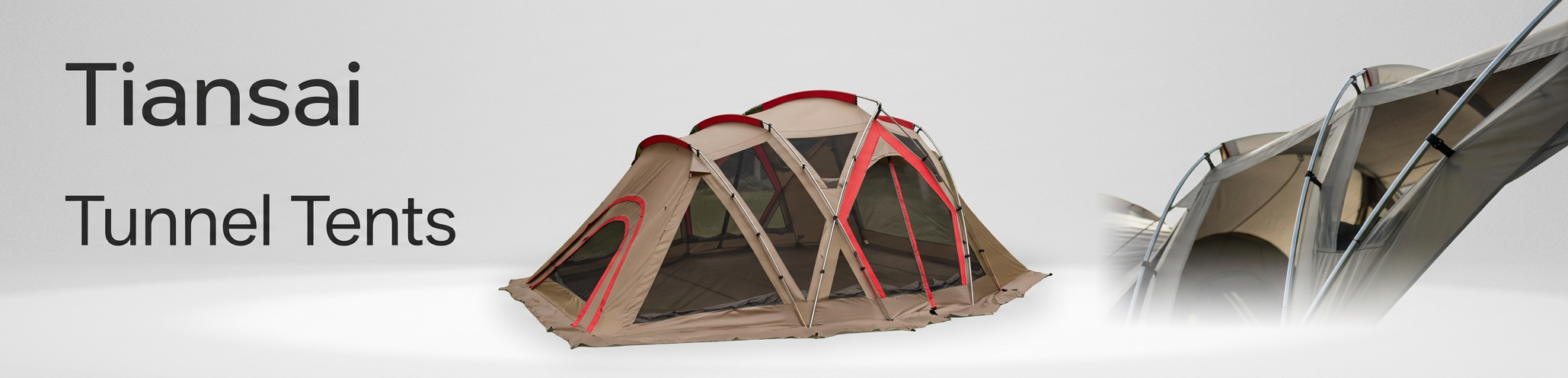
Tunnel Tents
Product Category
Contact us
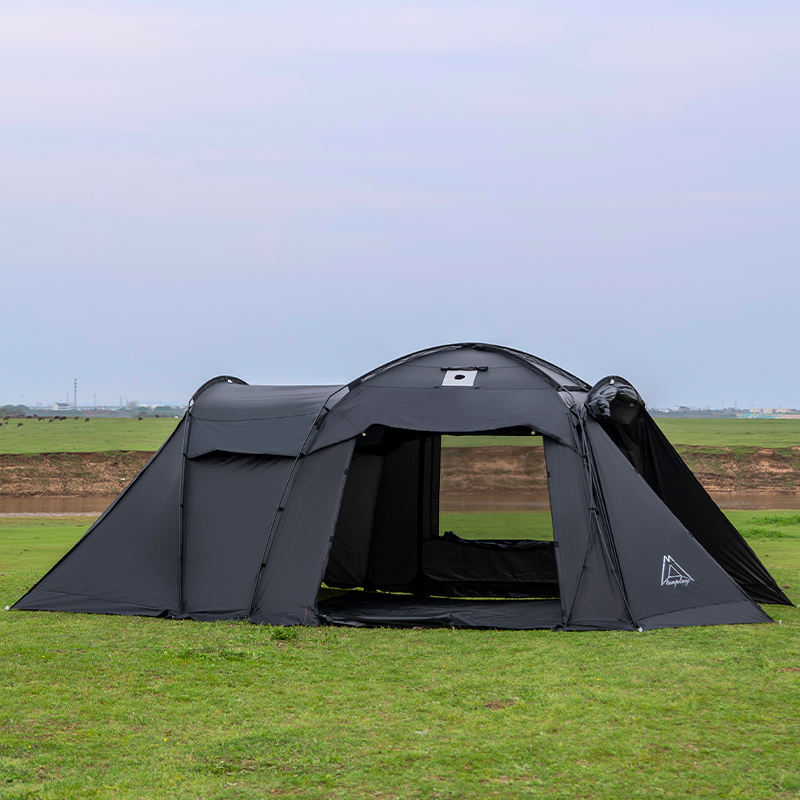
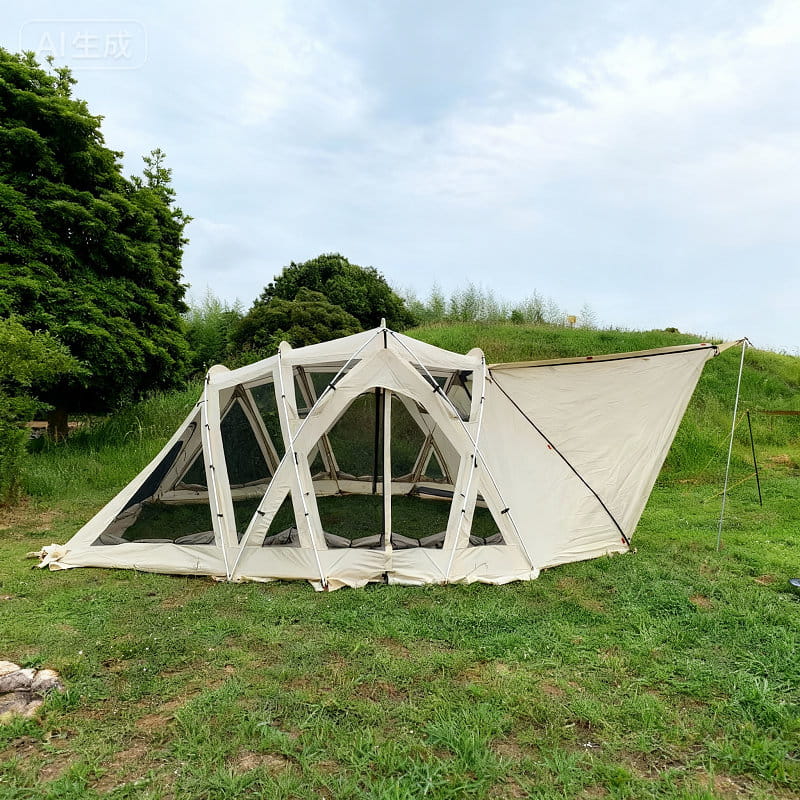
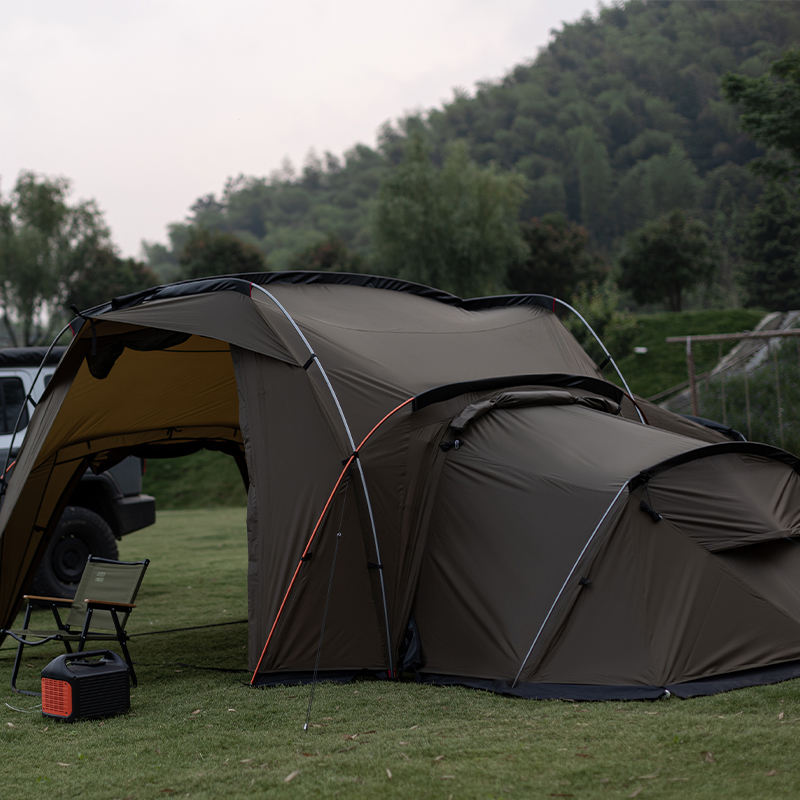
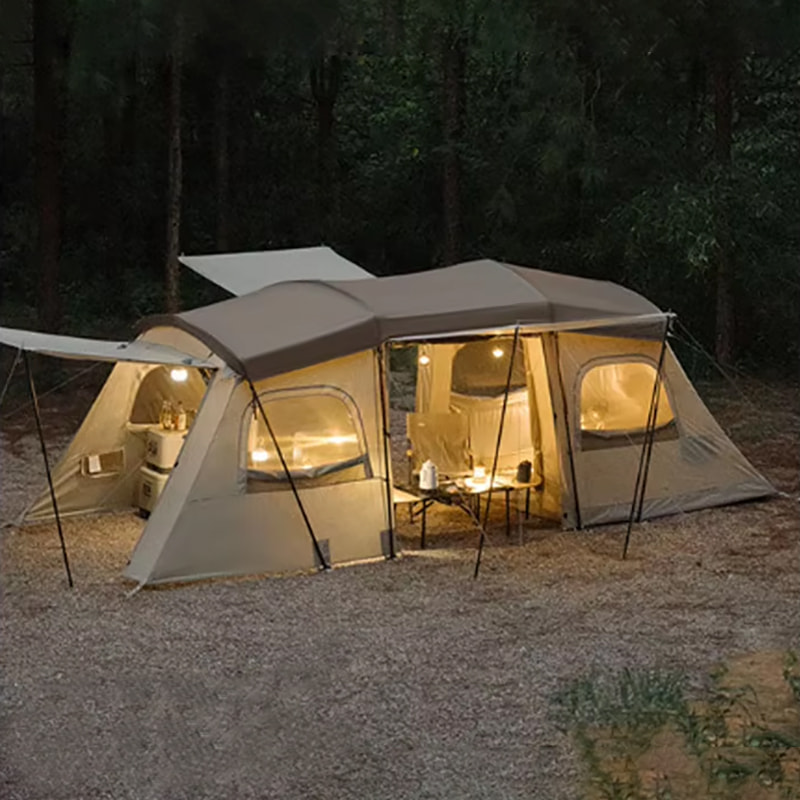
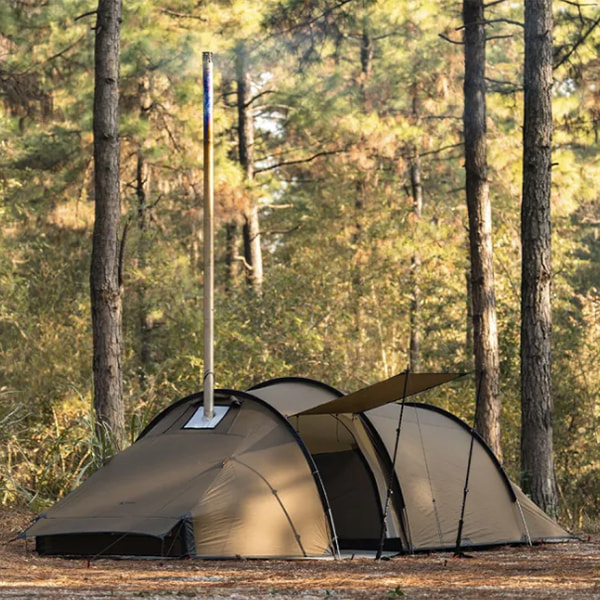
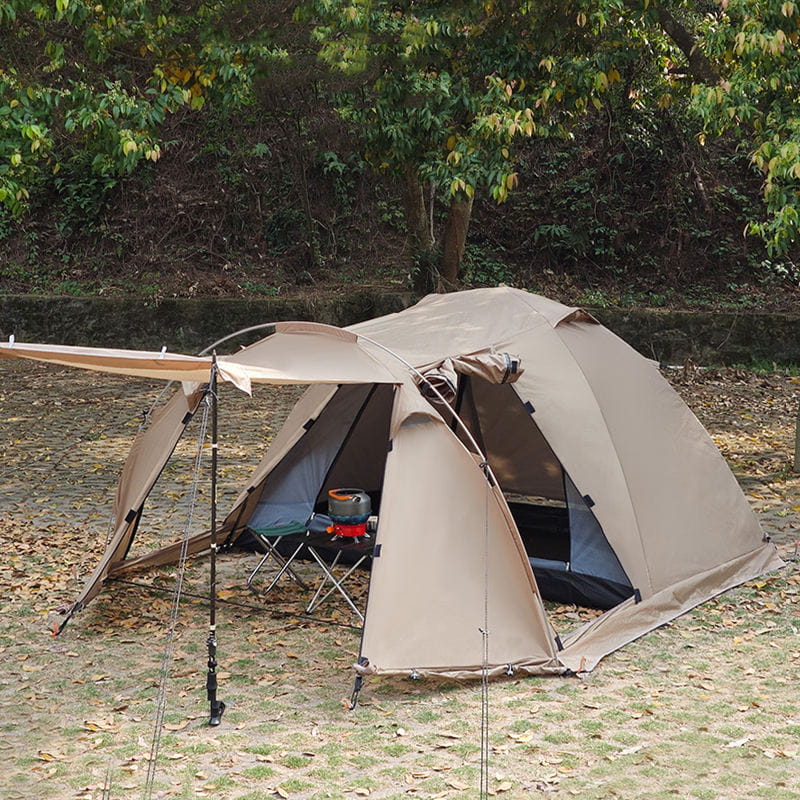
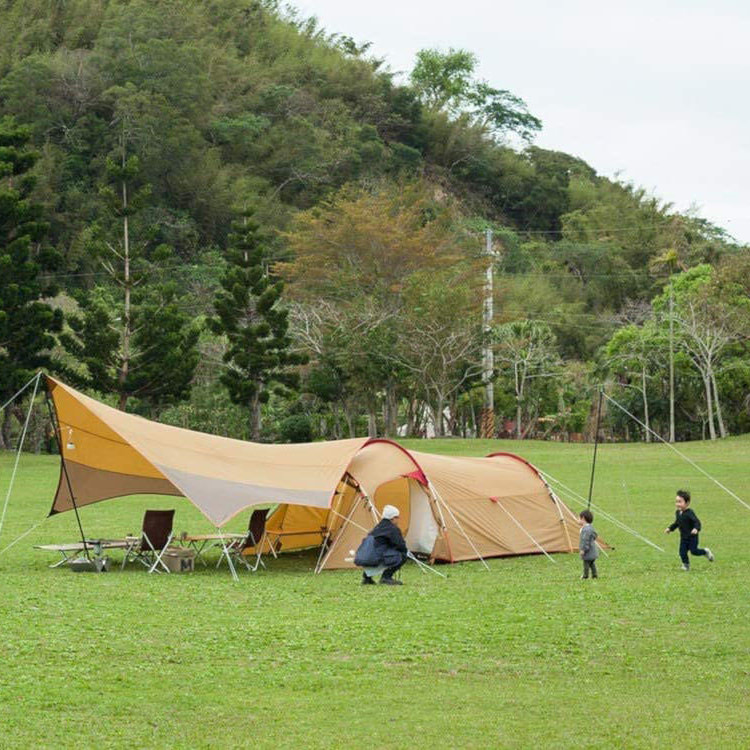
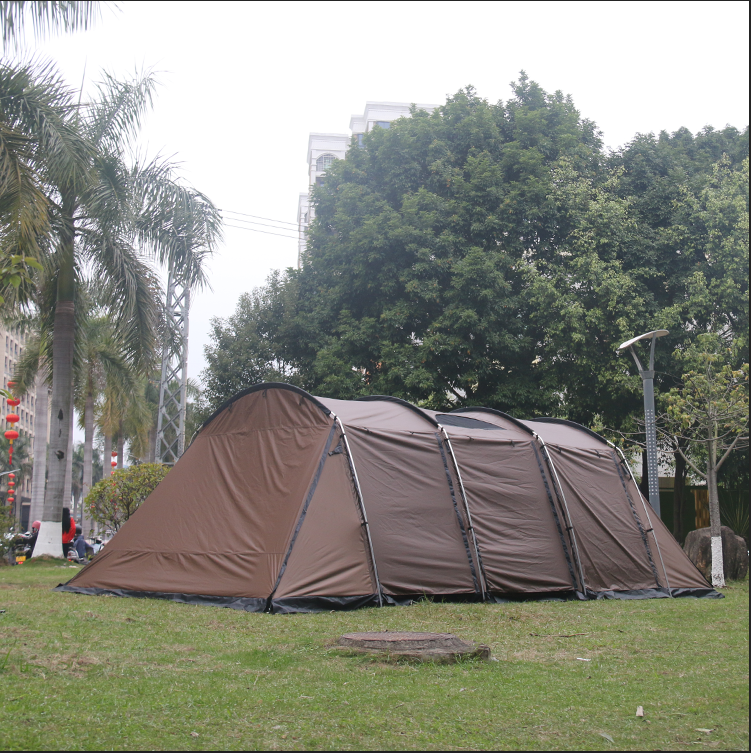
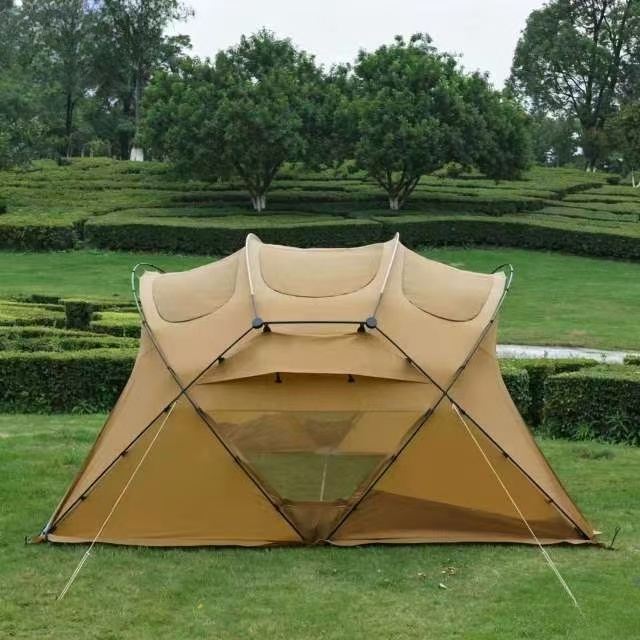
Tunnel tents feature a sleek, elongated design created by a series of parallel curved poles, forming a spacious tube-like interior. This structure provides generous length and width, making them ideal for group camping where multiple people need room to sleep, store gear, and move comfortably. Their streamlined shape slices through wind efficiently, reducing flapping and offering solid stability in breezy or exposed environments.These tents are prized for their excellent interior livability, often including full-length headroom and multiple storage pockets. Many models come with large vestibules for cooking or gear protection, along with highly effective ventilation systems that minimize condensation. Lightweight construction combined with quick setup makes them a favorite for family outings, festival camping, and longer expeditions. Their balance of spaciousness, weather resistance, and ease of use has established tunnel tents as a highly practical choice for campers seeking maximum comfort without excessive complexity.
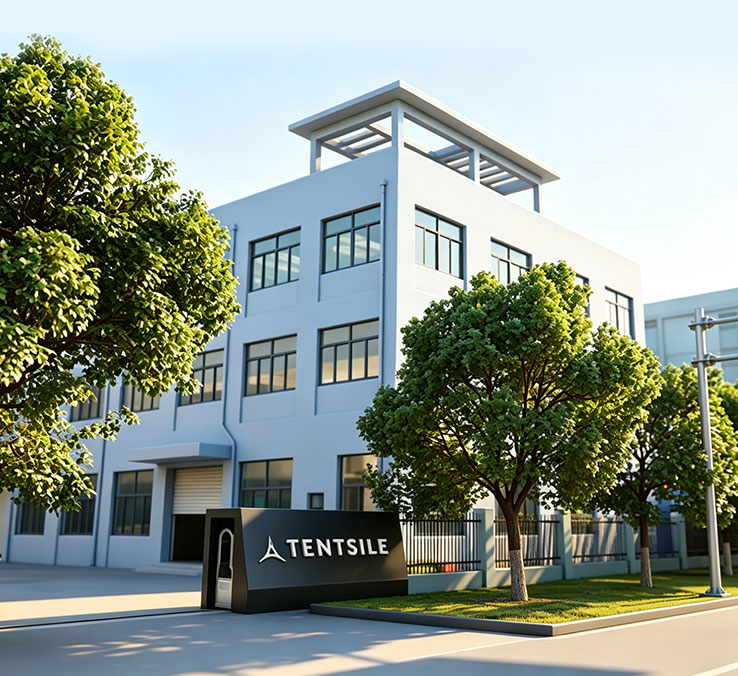
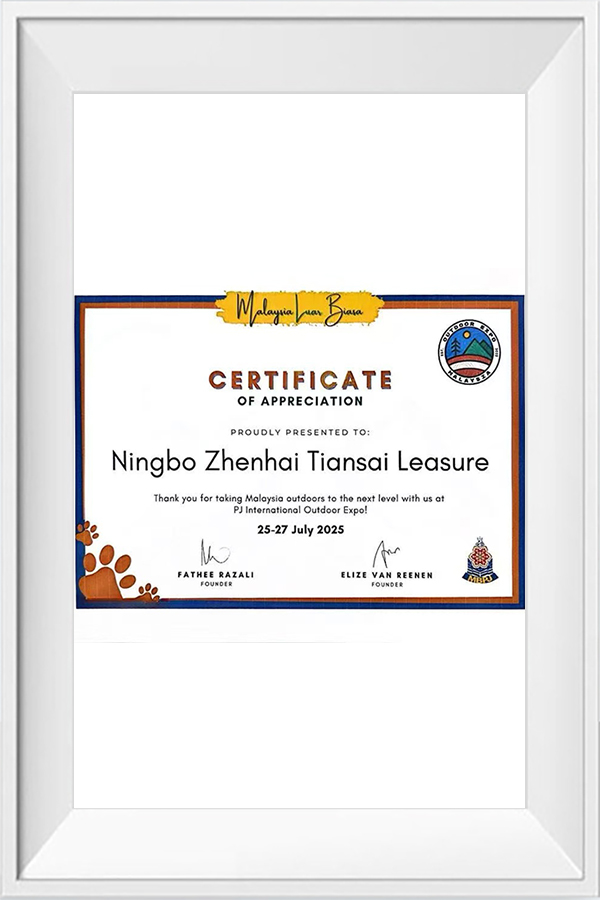
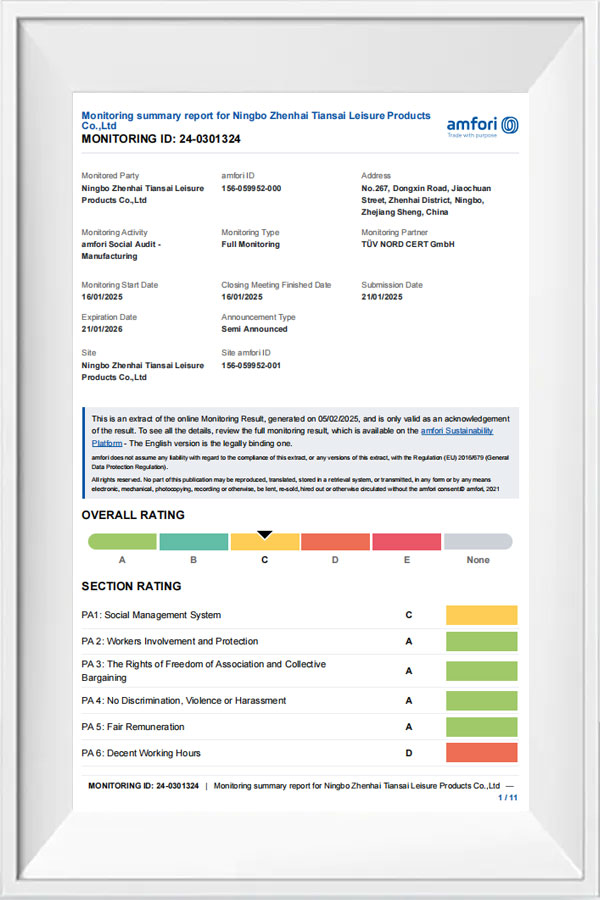
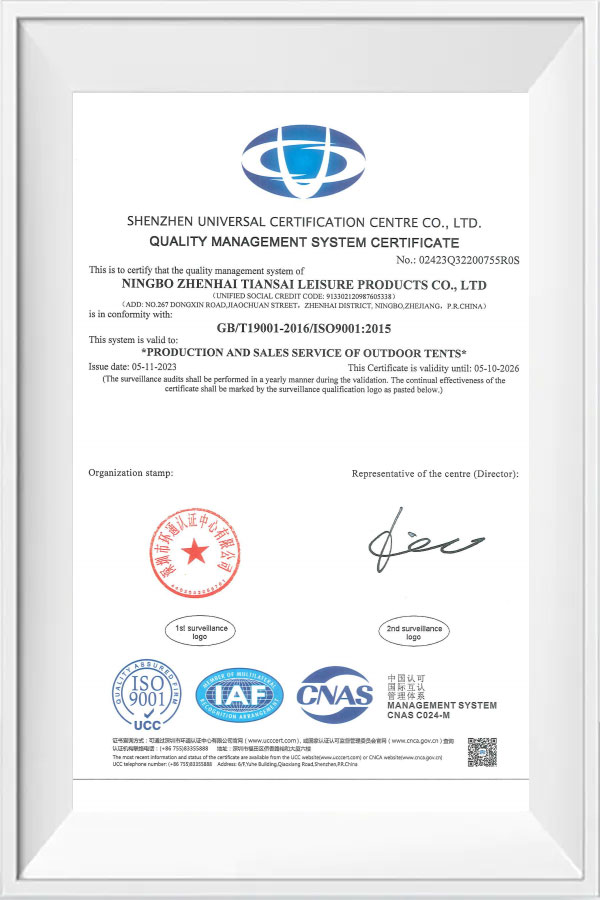
Ningbo Zhenhai Tiansai Leisure Products Co., Ltd. is a well-known brand enterprise specializing in the design, production and sales of All-Season Camping Tent. Headquartered in Zhenhai District, Ningbo City, Zhejiang Province, the China Tunnel Tents supplier has a covering an area of over 13,000 square meters. Leveraging Ningbo's geographical advantage as an important port city, the company's products are exported to many countries and regions around the world.
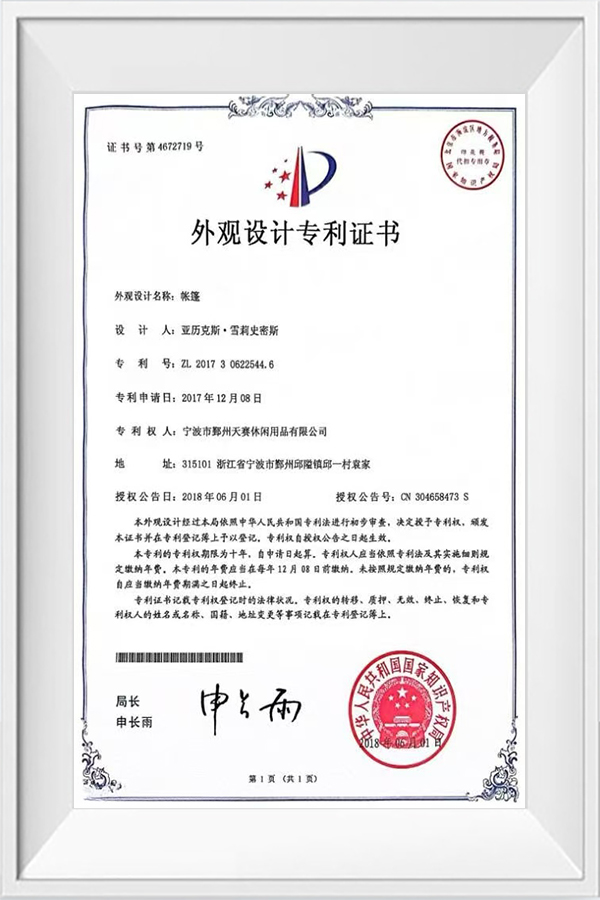
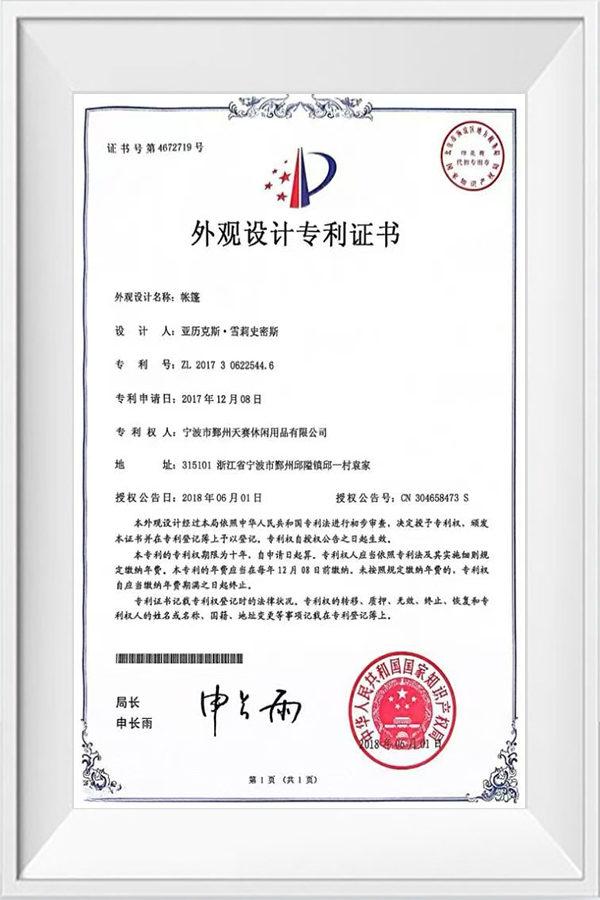
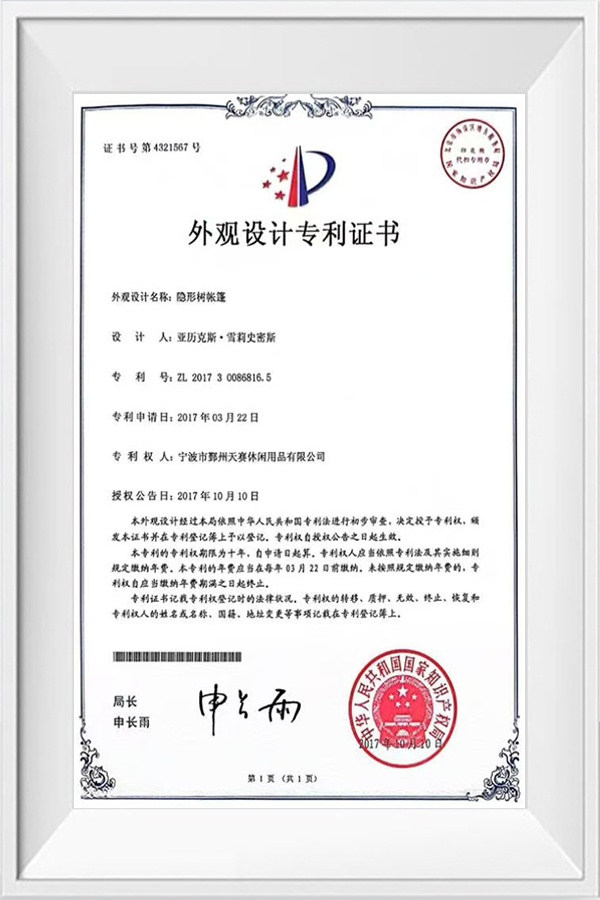
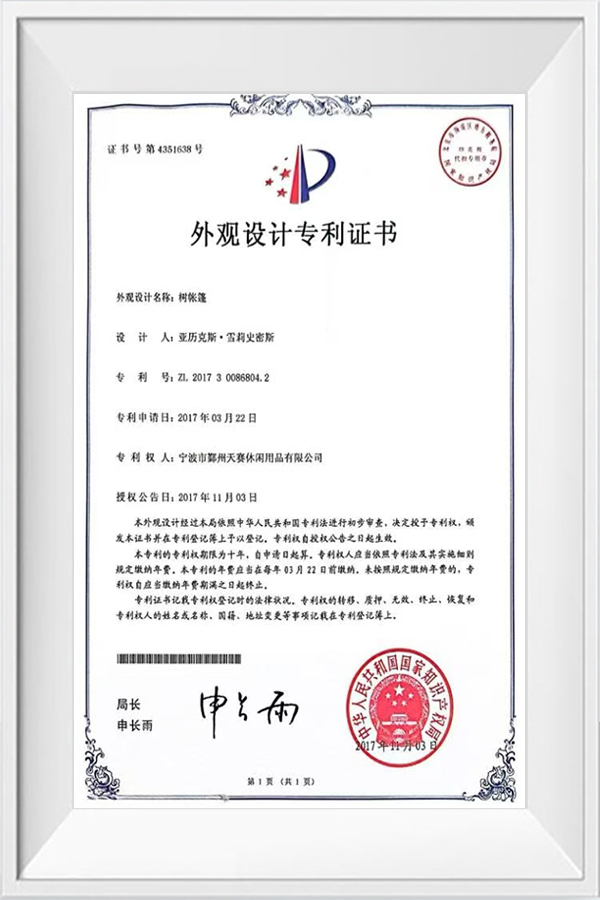
Since its establishment, Tiansai Leisure has become the sole global designated supplier of the British company TENTSILE, and has successfully designed and obtained a number of appearance patents and utility model patents. With excellent quality and outstanding performance, its products have won wide recognition and popularity in North America, Europe, Asia and other regions.
Our Updates
Hunting & Fishing Blinds: Concealment, Protection, and Structural Design for Outdoor Field Shelters
Hunting and fishing blinds occupy a specialized corner of outdoor gear, built specifically for concealment, watching wildlife or game, weather protection, and holding up through long stretches of field use. Unlike general camping tents, these shelters need to support quiet movement, controlled sightlines, camouflage that actually works, resistance to wind and rain, and genuine comfort through hours of waiting. For outdoor brands, product managers, hunting gear teams, fishing equipment developers, wildlife observation groups, and outdoor photography teams, getting a real handle on the design logic behind a hunting blind or fishing shelter matters enormously for judging fit across forests, lakesides, riverbanks, wetlands, and cold-weather field conditions.
What Is a Hunting & Fishing Blind?
A hunting or fishing blind is an outdoor shelter built to create a concealed, protected position out in the field. People rely on these for hunting observation, fishing, watching wildlife, outdoor photography, and simply waiting patiently in natural settings for extended periods.
Common names across the category include hunting blind, fishing shelter, carp fishing bivvy, camouflage hunting blind, pop-up hunting blind, waterproof fishing bivvy, 2-3 person hunting shelter, hunting shelter, and fishing bivvy shelter. These differ in structure, size, camouflage pattern, window design, and how much weather protection they offer.
What really separates these from a standard tent comes down to functional priority. A regular tent generally focuses on sleeping or basic shelter. A hunting blind puts concealment first — observation windows, quiet fabric, low-glare surfaces, and a dark interior all take priority. A fishing shelter leans harder into weather protection, comfortable seating, gear space, and holding up through long sessions.
Out in the field, these shelters typically end up in forests, open fields, lakesides, riverbanks, wetlands, or classic carp fishing spots. The design has to account for terrain, background color, wind exposure, rain, condensation, viewing angles, and how easily the whole thing goes up.
From a manufacturing standpoint, hunting and fishing blinds demand coordinated development across fabric surface, camouflage printing, frame stability, window construction, mesh panels, seam treatment, ground skirt, door access, ventilation, and packing format. The shelter needs to work as one complete system — not just fabric wrapped around a frame.
Where Are Hunting & Fishing Blinds Used?
Hunting observation stands as one of the primary uses for a hunting blind. People need something that blends into the surroundings while still offering controlled sightlines and enough room to sit or kneel comfortably while watching. Quiet fabric and thoughtful window layout matter enormously here.
Lakeside fishing and carp fishing represent key scenarios for a fishing shelter or carp fishing bivvy. Anglers often camp out near the water for long stretches, sometimes through cold, windy, or rainy conditions. The shelter needs to deliver real protection, room to organize gear, and comfortable access to the interior.
Wildlife photography and nature observation lean heavily on a camouflage hunting blind too. Photographers need a hidden vantage point, stable camera openings, dark interior surfaces, and quiet operation overall. The goal stays the same throughout — minimize disturbance while keeping clear sightlines intact.
Long stretches of outdoor waiting demand more than basic cover. People might spend hours inside a hunting shelter or fishing bivvy shelter, so seating space, ventilation, moisture control, easy access to storage, and how smoothly they can get in and out all shape the overall experience.
Wet, cold weather calls for tougher materials and stronger structural design. A waterproof fishing bivvy or weather-focused hunting blind needs reinforced fabric, properly sealed seams, sturdy poles, wind-resistant anchoring, and ventilation that keeps condensation in check.
Forest edges, lake banks, reed beds, open fields, and mixed woodland all call for different camouflage and structural choices. A shelter meant for dense woodland typically needs darker natural tones, while a lakeside fishing shelter usually prioritizes weather resistance and solid ground coverage instead.
Concealment and Camouflage Design Points
Concealment starts with getting the camouflage pattern right. A good pattern matches the target environment — woodland, grassland, reed beds, marshland, snow, or dry brush. Natural color matching helps the shelter genuinely blend into its surroundings rather than standing out as one solid dark shape.
Matte fabric cuts down light reflection considerably. Glossy or shiny surfaces catch sunlight and make a shelter far easier to spot from a distance. For hunting, wildlife photography, and general observation, low-reflection fabric deserves serious consideration during design.
Low-noise fabric makes a real difference in the field. Every time someone moves inside, opens a window, adjusts gear, or handles a door, fabric noise risks spooking wildlife or undermining the whole point of the blind. Softer surface treatments and carefully controlled fabric stiffness both help keep things quiet.
Shoot-through mesh shows up in some hunting blind designs, letting users observe or shoot through specific window areas while keeping interior movement less visible from outside. Mesh density, color, transparency, and how it's mounted all shape how well this actually works.
A dark interior helps cut down on visible silhouettes. If the inside of the blind is too bright, movement becomes obvious through the windows. Dark lining, interior fabric color, and carefully sized windows all help keep the interior from standing out.
Window placement shapes both concealment and field of view together. Windows need to let users watch target areas without opening the shelter too wide in the process. Several smaller windows often offer better concealment than one large opening, depending on how the blind gets used.
Natural color matching also needs to account for seasonal shifts. A green woodland pattern won't suit a dry late-season landscape well, while reed or marsh camouflage tends to perform better around lakes and wetlands. Custom camouflage work should always start from the target region and season rather than a generic pattern.
Water Resistance, Wind Protection, and Long-Stay Comfort
Weather resistance matters enormously for hunting and fishing blinds, since people often stay outdoors for extended stretches. Weather-resistant fabric helps the shelter hold up against wind, light rain, humidity, and shifting outdoor conditions generally.
A waterproof coating boosts rain protection significantly, especially for fishing bivvies used near lakes and rivers. Fabric coating should get selected based on expected rainfall, packed weight, durability, and how the seams get constructed.
Double-layer construction pays off in colder or wetter environments. An outer shell handles weather protection, while an inner layer improves comfort, keeps condensation from touching users directly, and creates a more stable interior overall. This structure shows up commonly in higher-performance fishing bivvy shelter designs.
A reinforced frame improves stability through wind and repeated use over time. Steel, fiberglass, or aluminum support systems all get used depending on required strength, packed weight, and product category. Larger bivvies and 2-3 person shelters need extra-careful frame planning to hold up.
A ground skirt helps cut down wind entry, splash, and side drafts right at the bottom edge. In fishing and cold-weather use, how the shelter meets the ground matters enormously for interior comfort. The skirt should be easy to secure and simple to clean after being out in the field.
Sealed seams keep water from sneaking in through the stitching. Since these shelters typically have roof seams, window seams, door seams, and reinforcement stitching throughout, seam treatment needs planning alongside fabric coating and overall construction method — not as an afterthought.
A ventilation window helps manage moisture and condensation buildup. Long sessions, simply breathing, wet ground, and damp clothing all raise humidity levels inside the shelter over time. Vent placement needs to allow airflow without giving away position or letting rain sneak in.
A storm flap protects zippers, windows, and door openings from rain and wind. It also helps cut down light leakage and boosts privacy. The flap needs to operate easily even with gloves on or in low-light conditions before dawn.
Heavy-duty ground stakes improve stability on soil, grass, or lakeside terrain. In windy conditions, stake strength, angle, guyline placement, and anchor reinforcement matter just as much as the frame itself in keeping the shelter standing.
Common Product Types
An instant pop-up camouflage hunting blind is built for quick setup and easy relocation. It suits users who move between observation spots or need fast deployment before sunrise or as field conditions shift.
The structure typically relies on a flexible pop-up frame or hub system. Development should focus on frame recovery, fabric tension, window operation, quiet setup, and how compactly it packs down.
A 2-3 person hunting shelter offers enough interior room for multiple people, chairs, gear, and observation equipment. It suits group hunting, wildlife photography, or guided field trips well.
This type calls for careful planning around interior width, seat height, window angles, door placement, ventilation, and frame strength. Larger structures need stronger anchoring and tougher fabric reinforcement to match their size.
A heavy-duty waterproof fishing bivvy gets built for anglers spending long stretches near water. It needs to deliver rain protection, gear storage, comfortable seating, and stable anchoring even in exposed lakeside spots.
Key features often include reinforced fabric, waterproof coating, sealed seams, a strong frame, extended front coverage, and a practical floor or ground skirt design.
A double-layer carp fishing bivvy uses an outer shell paired with an inner layer to improve comfort and cut down condensation contact. It suits cooler weather, overnight fishing setups, or long fishing sessions well.
This design needs to account for airflow between the layers, overall weight, packed size, door access, and how complicated assembly gets. Double-layer construction genuinely improves comfort, but it still needs to stay practical to transport and set up.
A pop-up hunting blind prioritizes fast deployment out in the field. It suits users who need a portable, concealed shelter that goes up in fewer steps than traditional designs.
The main design concerns here are frame durability, folding accuracy, camouflage alignment, controlled window opening, and keeping noise down during setup.
A fishing shelter tent covers a broader category — lightweight fishing shelters, bivvies, and weather-protection shelters built for lakeside use generally. It often prioritizes seating space, gear protection, waterproof fabric, and wind stability over camouflage specifically.
The design should match fishing style, climate, session length, and terrain. A carp fishing shelter typically needs more enclosed protection than a casual day-fishing setup would.
Key Points for Custom Hunting Blind Manufacturing
Before custom hunting blind manufacturing gets underway, the development team needs to pin down the primary use case first. A woodland hunting blind, marsh camouflage shelter, carp fishing bivvy, and outdoor photography blind all call for different materials, patterns, windows, and structures entirely.
Capacity needs defining early in the process. A one-person blind can stay compact and easy to carry, while a 2-3 person hunting shelter needs more floor space, greater height, sturdier frame support, and windows placed with more care.
Open size and interior height should match expected posture and equipment. Users might sit in chairs, kneel, use tripods, handle fishing gear, or store bags inside — practical room to move matters a lot for anyone settling in for a long session.
Camouflage pattern needs choosing based on target terrain and season. Woodland, reed, grassland, snow, dry brush, and mixed forest patterns all suit different environments. Color accuracy and consistent printing shape both appearance and how well the blind actually performs in the field.
Window number, size, and opening direction carry real weight in the design. Hunting blinds often need smaller, more controlled windows, while photography blinds need openings friendly to camera equipment. Fishing shelters tend to prioritize wide access and weather protection over hidden sightlines.
Fabric specification should match weather and noise requirements together. Low-noise fabric, matte surfaces, waterproof coating, double-layer construction, and reinforced stress points all need weighing based on where the product sits in the market.
Support structure should follow from size and setup method. Pop-up frames, hub frames, fiberglass poles, aluminum poles, or steel frames each strike a different balance between speed, weight, stability, and cost.
Groundsheet or ground skirt design needs planning around actual use. Fishing bivvies often need better ground protection, while hunting blinds might prefer lighter bottom structures or open floor designs that support quieter movement.
Other parameters worth nailing down include color, packaging method, carry bag format, accessory set, ground stakes, guylines, repair materials, target market climate, and expected season of use. Confirming these details early cuts down on sample revisions and keeps production more consistent later on.
Hunting and fishing blinds serve as specialized field shelters built around concealment, observation, weather protection, and standing up to long-duration outdoor use. Real performance here comes down to camouflage pattern, matte and low-noise fabric, window placement, waterproof coating, a reinforced frame, ventilation, ground treatment, and dependable anchoring.
Where hunting and fishing blind development goes next will likely keep focusing on more natural camouflage effects, quieter materials, sturdier weather-resistant structures, more flexible observation windows, a more comfortable long-stay field experience, and increasingly refined manufacturing. Getting product development right ultimately means coordinating camouflage fabric, structural engineering, window systems, weather protection, ventilation, sample testing, quality inspection, and consistent production — treating it all as one connected process rather than isolated pieces.
Message Us Right Now!
-
Mp: +86-18858091910
E-mail: sales@tenplaytent.com
Mp: +86 15343681553
E-mail:serena@tenplaytent.com
ADD: No. 529, Guangyuan Road, Xiepu Town, Zhenhai District, Ningbo City, Zhejiang Province, China
-
Quick Links
Home Products About Us Advantage News Contact Us -
Product
Inflatable & Air Tents Glamping & Resort Tents Backpacking & Trekking Tents Automatic & Pop-Up Tents Family & Camping Tents Specialty Tents & Shelters Kids Tents Pet Tents Humanitarian & Large Tents Hammock -
Get Connected
 Weather-Resistant All-Season Camping Tent