


 English
  عربى
عربى 

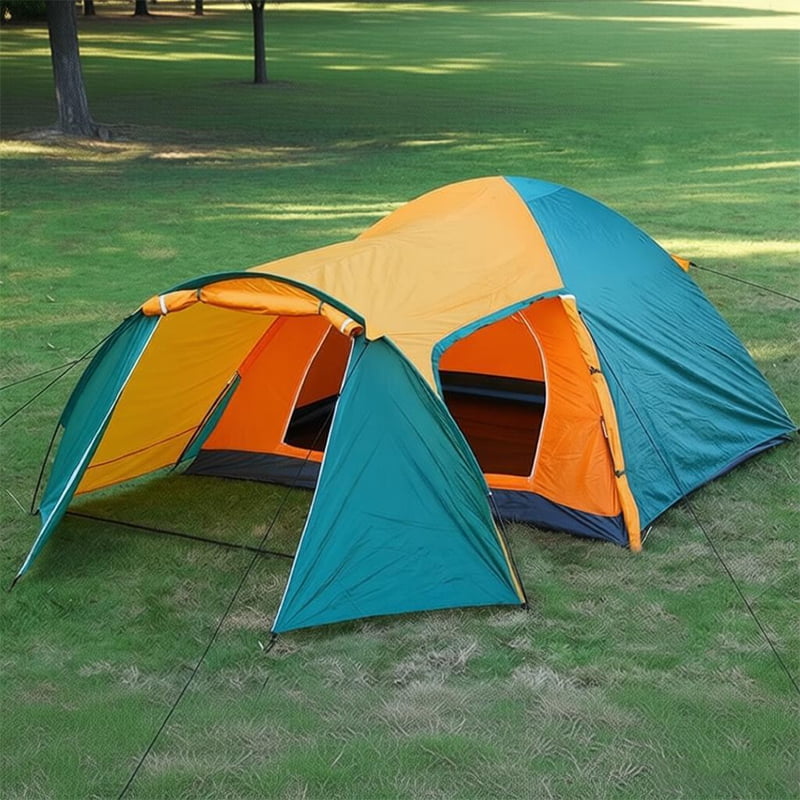
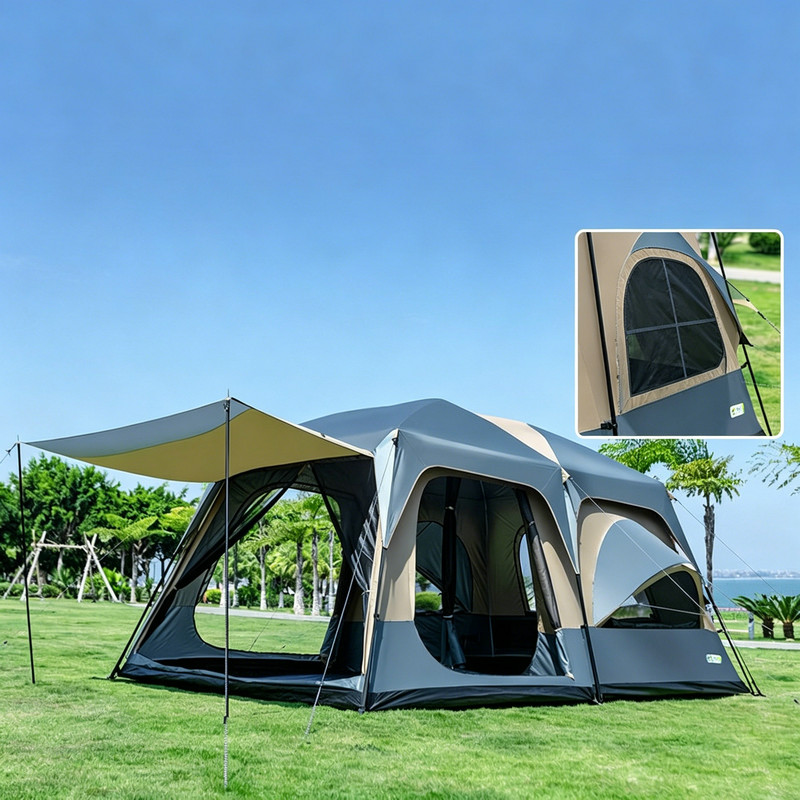
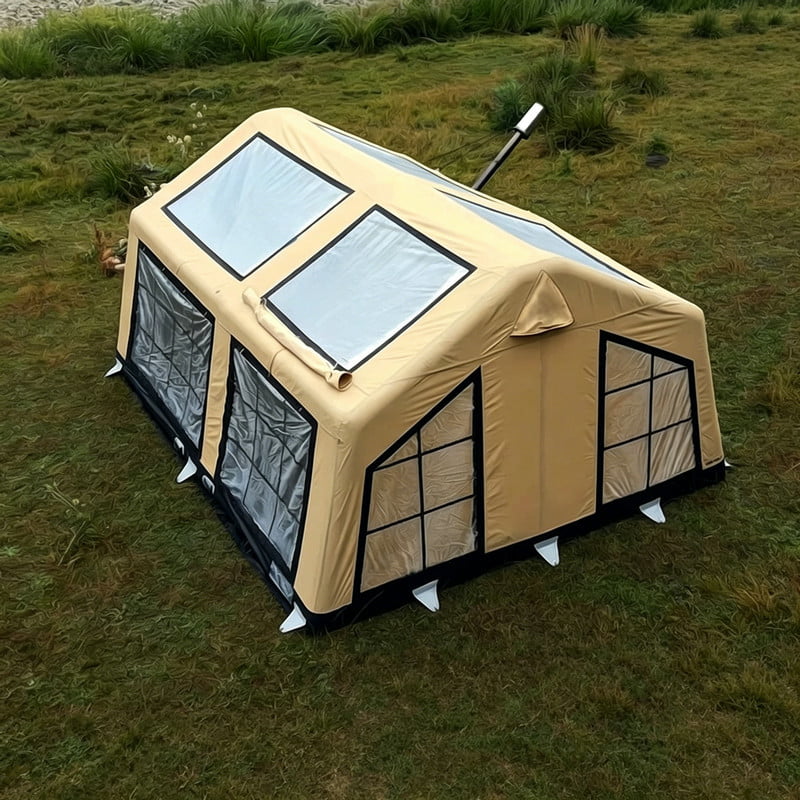
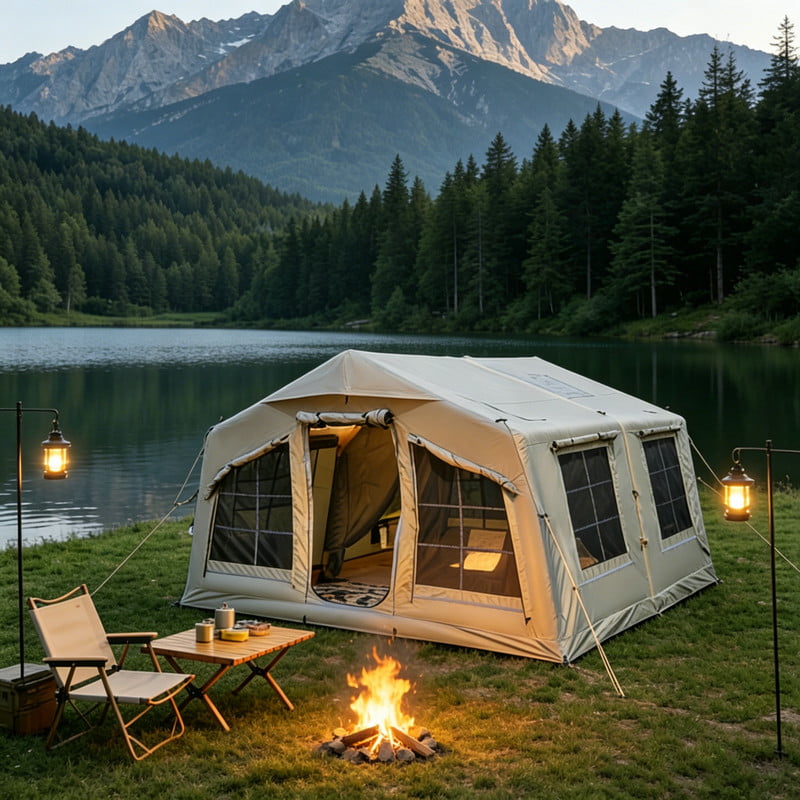
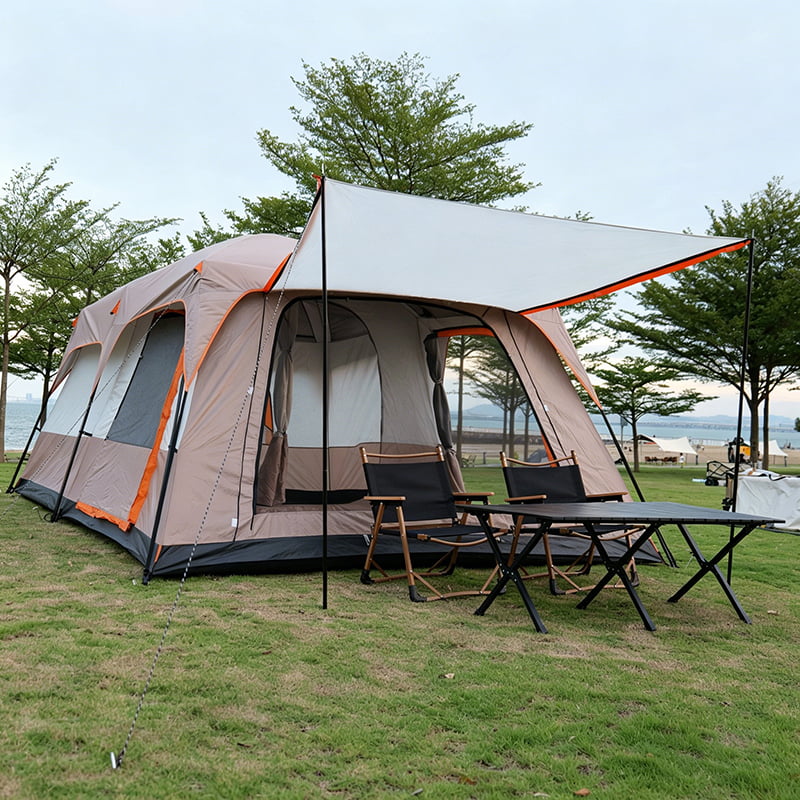





Cabin Tents: Large-Space Tent Solutions for Family Camping and Multi-Person Outdoor Accommodation
Cabin tents occupy a distinct place across family camping, group trips, glamping setups, festival grounds, campsite accommodation, and any outdoor stay that stretches beyond a night or two. Where smaller camping tents chase portability above all else, a cabin tent shifts the entire conversation toward standing height, walls that run nearly vertical, generous floor space, room-by-room layouts, airflow, natural light, and something that starts to feel less like camping and more like living outdoors temporarily. For outdoor brands, product managers, campsite operators, and family camping developers alike, understanding how these tents are structured, what materials go into them, how they get set up, and what quality control actually looks like makes it far easier to judge whether a design fits family use, large campgrounds, festival crowds, or comfort-driven outdoor stays.
What Is a Cabin Tent?
A cabin tent is exactly what it sounds like — a large-format shelter built with taller interior clearance, walls that stand close to vertical, and a floor plan wide enough to actually move around in. It's not just about keeping weather out; it's about giving families or groups something closer to a real living space, even if it's only temporary. Compared to a low-slung dome tent, a cabin tent lets adults stand upright, change clothes without crouching, sort through gear comfortably, and generally move around without constantly ducking.
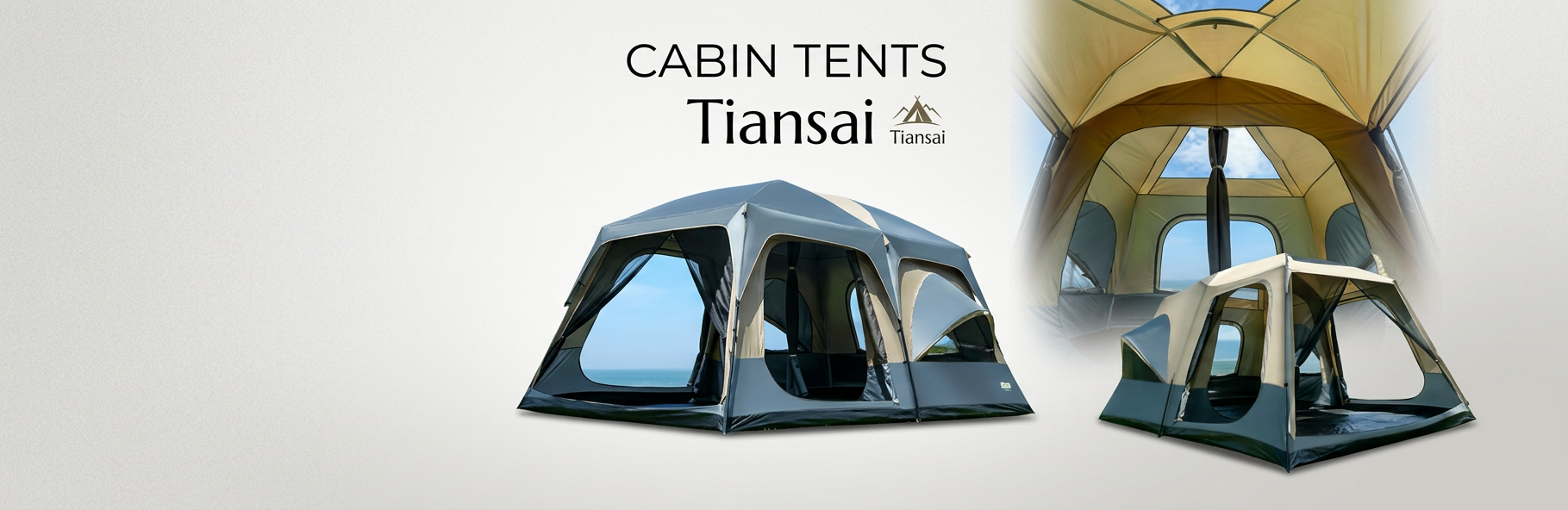
Across the outdoor gear world, cabin tents get grouped alongside family camping tents, large camping tents, glamping tents, and multi-room camping tents. Different names, same underlying need — more usable space, better organization inside, real comfort, and a shelter that holds up through longer stretches outdoors.
A typical build includes a tall roof, wide entry doors, sizable mesh windows, removable dividers, a large waterproof floor, and several ventilation points spread throughout. Some versions lean on an instant pop-up cabin tent structure to speed up setup, while others go a different route entirely — an inflatable cabin tent system built around TPU air beams that opens into a roomier, more open shape.
From a manufacturing standpoint, none of this comes together by accident. Space layout, frame strength, fabric choice, waterproof construction, and multi-person usability all need careful planning from the start. And the bigger the tent gets, the more critical it becomes to manage wind exposure, drainage paths, frame joints, fabric tension, and how well the floor resists abrasion over time.
Where Are Cabin Tents Commonly Used?
Family camping is where cabin tents show up most often, and for good reason. Families tend to need more headroom, wider doorways, solid airflow, decent natural light, and somewhere practical to stash gear. When kids are part of the trip, standing height alone makes a real difference — it's simply easier for parents to manage sleeping arrangements, sort clothing, and keep an eye on everyone without hunching over the whole time.
Group camping and festival settings suit cabin tents just as well. Festival campsites usually mean longer stays, people constantly coming and going, and a genuine need for shared space to rest. A large family tent gives people room to sleep, socialize, and store equipment in ways a compact backpacking tent never could.
Parks, established campgrounds, and glamping-style stays lean on cabin tents too. A glamping tent typically demands a more polished interior, a frame that holds its shape reliably, an exterior that actually looks good, and windows large enough to let in light and air. In campsite environments where tents stay pitched for extended periods, UV resistance, waterproof treatment, zipper longevity, and fabric strength all become things worth scrutinizing closely.
Vehicle-side camping and long-stay setups tend to favor comfort over minimal weight, which makes sense — if you're driving to the site, packed weight matters far less than interior room, weather protection, floor toughness, vestibule design, and whether all the accessories are actually there. For parent-child outings specifically, the tent still needs to handle safe entry points, keep insects out, maintain airflow, and offer somewhere practical to organize everyone's things.
Cabin Tent vs. Regular Camping Tent: Key Differences
The real divide between a cabin tent and a standard camping tent comes down to how each one treats space. A regular tent is usually built around being easy to carry, offering basic protection, and going up with minimal fuss. A cabin tent takes the opposite approach — standing height, usable floor area, room for several people to move at once, and a layout that starts to resemble an actual outdoor room rather than just a covered sleeping spot.
Most standard tents rely on dome, tunnel, or low-profile shapes, which cut down wind resistance and keep the packed size reasonable. Cabin tents typically call for sturdier frames, wider doors, bigger windows, and walls that run more vertical. That opens up far more usable space, but it also raises the stakes on wind resistance, drainage, and frame engineering.
For families and groups, interior living space, storage room, airflow, and how easy it is to get in and out usually matter more than shaving down the packed size. That's why cabin tents often come loaded with multiple windows, roof vents, dividers, storage pockets, hooks for lanterns, front awnings, and entryways big enough to actually use comfortably.
Size brings its own engineering demands, too. Frame stability, wind load, and water runoff all need extra attention once a tent grows taller and its walls straighten out — a tall tent with near-vertical sides simply catches more wind than a low, curved one. That's precisely why guylines, ground stakes, frame connectors, and evenly distributed fabric tension carry so much weight in how well these tents perform over the long run.
| Comparison Point | Cabin Tent | Regular Camping Tent |
|---|---|---|
| Space Design | High roof, near-vertical walls, generous usable floor area | Lower profile or curved walls |
| Main Applications | Family camping, group stays, glamping, campsite accommodation | Short trips, compact camping, basic shelter |
| Structural Focus | Frame strength, door/window layout, room division | Portability, basic protection, simple setup |
| User Experience | Standing height and room-like comfort | Mainly a sleeping shelter |
| Manufacturing Focus | Wind stability, drainage, floor durability, frame joints | Weight, packed size, basic waterproofing |
None of this means cabin tent development is just "scale up a small tent and call it done." It calls for its own structural planning, its own material choices, and a functional layout built specifically around larger, longer-term use.
How Large-Space Design Improves Comfort
Comfort in a cabin tent starts with how the walls are built. In most curved traditional tents, the edges lose usable headroom fast, leaving corners that are technically inside the tent but practically unusable. Cabin tents fix this by keeping the sidewalls more upright, which frees up real floor space for sleeping pads, air mattresses, storage bins, tables, and camp chairs to actually fit without awkward compromises.
Comfort-Oriented Design Features
A tall roof is where much of that comfort comes from too. Adults can stand up straight, change clothes, make up the beds, and organize equipment without bending over the entire time — a detail that matters enormously once it starts raining and everyone ends up spending more time inside than planned.
Multiple doors and windows do double duty for airflow and natural light. Mesh panels let air pass through while keeping insects on the outside where they belong, and larger windows go a long way toward making the space feel open rather than boxed in. That airflow becomes especially important with more people inside — more bodies means more heat and moisture building up if the ventilation can't keep pace.
Multi-room layouts round out the comfort picture. Dividers can split the tent into separate sleeping zones, a shared living area, or dedicated storage — a 2-room setup works well for a small family or splitting sleeping arrangements, while larger multi-room configurations handle bigger groups and parent-child trips with more flexibility.
Wider entryways, awnings, and front vestibules earn their keep especially in wet weather, giving people somewhere to leave shoes, rain gear, or muddy equipment before it ends up tracked through the sleeping area. Small interior touches — hanging loops, storage pockets, lantern hooks, divider curtains, spots to route charging cables — end up shaping the actual camping experience far more than they'd suggest on a spec sheet.
Common Structures of Cabin Tents
Instant Pop-Up Cabin Tent
An instant pop-up cabin tent is built entirely around getting set up fast with minimal effort. It suits family weekend trips, festival camping, park outings, and really anyone who'd rather skip the traditional pole-threading process altogether. The main selling point is straightforward: setup time drops noticeably compared to conventional structures.
From a manufacturing angle, the concerns shift toward how durable the elastic frame stays over repeated use, how many open-and-close cycles it can handle, how stable it is once opened, the locking mechanism, and keeping the packed volume under control. A pop-up design needs to open smoothly every single time and fold back down without stressing the frame or fabric past its limits.
Inflatable Cabin Tent
An inflatable cabin tent swaps out part or all of the traditional pole system for TPU air beams or a similar air-supported structure. The payoff is usually a fuller, more open interior shape that feels genuinely spacious — a good match for comfort-driven camping, glamping, and larger groups traveling by vehicle.
Manufacturing here revolves around a different set of concerns: how well the TPU air beams seal, valve design, how stable the air pressure stays over time, protection for the outer sleeve, tube positioning, and how easily the whole system can be repaired if something goes wrong. The inflatable support needs to work in sync with the outer fabric's tension, or the shape won't hold once it's inflated.
Steel Frame Cabin Tent
Steel frame cabin tents bring serious structural strength, making them a common choice for bigger tents or setups meant to stay pitched for extended periods. Steel offers excellent rigidity, though that comes with added weight and a bigger packed footprint.
Production quality here hinges on tube connection precision, surface treatment, corrosion resistance, joint strength, and clear assembly markings. In large cabin tents especially, the frame joints carry serious load during wind and rain, so getting them right isn't optional.
Fiberglass Pole Cabin Tent
Fiberglass poles show up frequently in mid-sized family camping tents, offering a workable balance between flexibility, cost, and everyday practicality.
These poles weigh less than most steel alternatives, but they need the right diameter, bending radius, and stress distribution to hold up properly. Manufacturing needs to keep a close eye on sleeve dimensions, pole end fittings, and reinforcement in the areas that take the most stress.
Multi-Room Cabin Tent
A multi-room cabin tent is built around functional zoning — well suited to families, groups, and longer campsite stays. Dividers carve the space into separate sleeping areas, gear zones, or shared living space.
Getting the layout right means thinking through door placement, window positioning, how air moves through the space, how usable the dividers actually are, and whether privacy holds up. Get the room layout wrong, and you end up with blocked airflow or a tent that's awkward to move through.
2-Room Cabin Tent
A 2-room cabin tent hits a practical sweet spot for family camping. It can split into two sleeping zones, or one sleeping area paired with a living or storage section — offering useful separation without the complexity that comes with much larger multi-room designs.
Development here means balancing overall weight, how complicated the frame is, floor area, vestibule size, and packed dimensions. This format tends to suit small families and weekend trips particularly well.
12-Person Cabin Tent
A 12-person cabin tent demands more than simply stretching the floor plan wider. Frame support needs a full redesign, along with rethought ventilation channels, room division, door placement, and where the guylines go.
Manufacturing for this scale needs to pay close attention to frame strength, fabric tension, floor seam placement, ventilation coverage, how the packaging gets organized, and how intuitive the setup process is for users. Large tents like this need clearly organized components — otherwise assembly turns into a genuine headache.
How Fabric, Frame, and Waterproof Systems Affect Performance
Cabin tents typically draw from polyester fabric, Oxford fabric, and various coated synthetic textiles. Polyester holds its shape well and shows up frequently in large tent flysheets, while Oxford fabric usually feels thicker in hand and resists abrasion better — making it a natural fit for floor panels, reinforced zones, or anywhere durability matters most.
Core Materials and Weatherproof Components
PU coating handles most waterproof treatment and pairs well with seam-taped construction, which covers the tiny needle holes stitching leaves behind and keeps water from sneaking through. For a genuinely waterproof cabin tent, though, performance depends on far more than just the coating — seam treatment, door design, window protection, floor edge construction, and how well the rainfly covers everything all play a part.
The floor deserves special attention in cabin tents specifically, since more people inside means more foot traffic and more pressure bearing down on the groundsheet. Floor material needs to resist ground moisture, abrasion, and the wear that comes from repeated folding. Seam placement on the floor matters too, particularly near entrances and other high-traffic spots.
Frame choice shapes both strength and how the setup actually feels. Steel frames suit larger tents and structures that need to stay rock-solid. Fiberglass poles fit mid-sized family tents better, where flexible support and manageable packing matter more. TPU air beams support inflatable designs, offering a softer structural feel with genuinely quick setup potential.
Accessories round out real-world performance. The rainfly determines how much external rain protection the tent actually gets. UV protection slows fabric degradation from sun exposure over time. Guylines and ground stakes are what keep a large shelter anchored outdoors. Matching these components to the intended climate, season, and use environment is where experienced cabin tent manufacturers earn their reputation.
Instant Pop-Up Cabin Tent vs. Inflatable Cabin Tent
An instant pop-up cabin tent is all about speed and simplicity — a strong fit for family camping, festival grounds, short campsite stays, and anyone who'd rather avoid a complicated setup process. The core manufacturing challenge is making sure the elastic frame opens reliably every time and folds back down without excessive strain building up.
An inflatable cabin tent relies on air beams for support instead, usually delivering a stronger sense of open interior space — well suited to glamping, vehicle-side camping, and larger groups. Quality here comes down almost entirely to how well the TPU air beams seal, valve performance, how well air pressure holds, tube protection, and how repairable the system is if something fails.
Both structures chase the same goal — faster, easier setup — just through different means. Pop-up designs lean on pre-assembled spring or flexible frames. Inflatable designs lean on air pressure and a pump. Either way, the structure needs to balance setup speed, packed volume, stability, manufacturing complexity, and where the product ultimately sits in the market.
| Structure Type | Main Advantage | Suitable Scenarios | Manufacturing Focus |
|---|---|---|---|
| Instant Pop-Up Cabin Tent | Fast opening, simple handling | Family camping, festivals, park campsites | Elastic frame, folding life, opening stability |
| Inflatable Cabin Tent | Spacious interior, intuitive setup | Glamping, vehicle-side camping, group stays | TPU air beam sealing, valve quality, pressure stability |
| Shared Requirement | Easier setup | Medium and large outdoor shelters | Packing volume, waterproofing, structure stability |
Choosing between the two really comes down to who's using it, how they're transporting it, how much interior space they need, their comfort level with setup, and how much packed size they're willing to tolerate.
Design Priorities for 12-Person Cabin Tents and Multi-Room Tents
A 12-person cabin tent is never just a scaled-up version of something smaller. As size grows, so does wind exposure, frame span, fabric tension, floor pressure, and the sheer complexity of packing everything up afterward. The support structure has to be rethought from the ground up to spread load more evenly across the roof, sidewalls, and every frame joint.
Multi-room layouts need real thought given to privacy, airflow, and how people actually move through the space. A well-designed multi-room camping tent shouldn't just hang a curtain and call it a division — each room needs decent airflow, accessible doors or openings, and enough room for sleeping gear or personal belongings.
Bigger tents feel wind pressure more acutely, which is why guyline points, stake positions, and frame nodes all need reinforcement. Guylines should follow the tent's actual structural load paths rather than getting placed arbitrarily, and ground stakes should tension the flysheet evenly rather than just anchoring the corners.
Floor material needs to step up too — stronger abrasion resistance, better moisture protection, and solid edge waterproofing all matter more once you're dealing with more people, more foot traffic, and more gear moving around. Entrances, corners, and anywhere dividers attach tend to be the spots that need the most reinforcement.
Packaging becomes its own challenge at this scale. Poles, stakes, guylines, repair kits, pump accessories, instructions, and storage bags all need clear organization — a well-thought-out packing system makes transport far easier and cuts down on setup confusion once everything's unpacked at the campsite.
Tiansai's Professional Capabilities in Cabin Tent Manufacturing
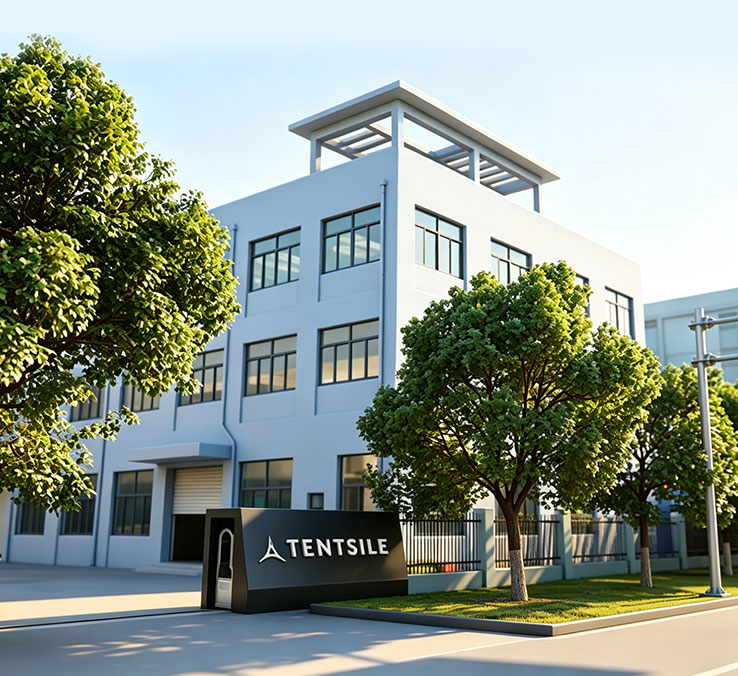
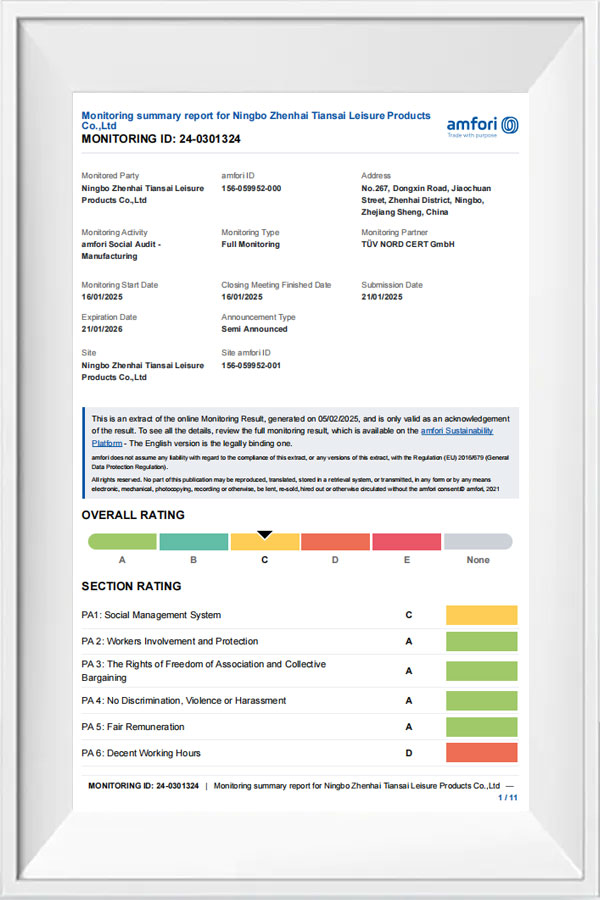
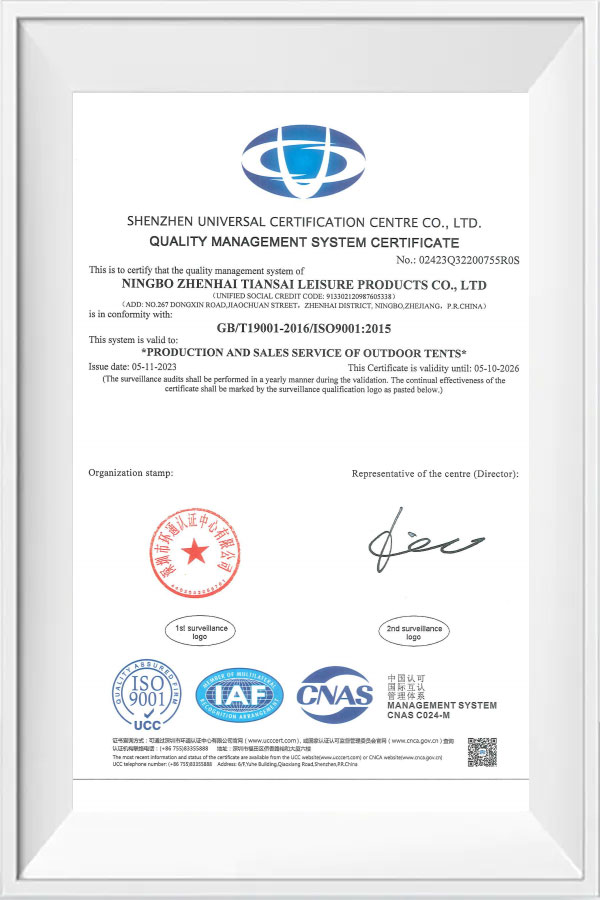
Ningbo Zhenhai Tiansai Leisure Products Co., Ltd., operating under Tiansai Leisure / Tenplay, is based in Ningbo, China — a port city with well-established supply chain resources and straightforward export logistics that support efficient coordination from material sourcing and production planning right through to packaging and shipment.
Tiansai Leisure / Tenplay concentrates on designing and producing outdoor tents and leisure outdoor products. Across a factory footprint of more than 13,000 square meters, the company covers the full development process — structural design, sample building, material matching, process verification, stable production, quality inspection, and export support.
Within the cabin tent category, Tiansai supports development across cabin tents, family camping tents, instant pop-up cabin tents, inflatable cabin tents, large 12-person tents, 2-room cabin tents, and multi-room camping tent concepts — each requiring its own combination of frame system, fabric, waterproof floor, door design, ventilation layout, and packaging approach.
Producing large-space tents demands careful control over cutting accuracy, sewing tension, seam taping consistency, frame matching, zipper smoothness, window alignment, floor seam positioning, and guyline reinforcement. For large camping tents and multi-room structures especially, even small dimensional errors can throw off pitching quality and interior tension.
Tiansai Leisure / Tenplay can adjust size, room layout, ventilation system, support structure, fabric, waterproof treatment, color, printed details, and functional features to match specific project needs. Backed by consistent sample validation and quality control processes, the company works to keep products consistent and adaptable across different market needs.
Frequently Asked Questions
1. What is the difference between a Cabin Tent and a regular Camping Tent?
A cabin tent focuses on standing height, near-vertical walls, multi-room layouts, and comfort for multiple people. A regular camping tent leans toward portability and basic shelter function instead. Cabin tents fit family camping, group stays, and longer outdoor accommodation far better.
2. Is an Instant Pop-Up Cabin Tent suitable for family camping?
Yes — instant pop-up cabin tents work well for family weekend trips, festival camping, and park campsites since they cut down setup steps and make the whole process more convenient. Development needs to focus on frame durability, folding stability, packed size, and waterproof details.
3. What are the advantages of an Inflatable Cabin Tent?
Inflatable cabin tents use air beam support to create an open interior shape with a simplified setup process. They suit comfort-focused camping, glamping, and group use particularly well. Key quality factors include TPU air beam sealing, valve structure, pressure stability, and how easily repairs can be made.
4. Is a 12-Person Cabin Tent only for large campsites?
Not necessarily — a 12-person cabin tent works for large campsites, family group camping, festival camping, and vehicle-side camping wherever more interior space is needed. The right choice depends on actual sleeping capacity, gear storage needs, campsite size, and how the tent will be transported.
5. What should be considered in Multi-Room Camping Tent design?
A multi-room camping tent needs to balance privacy, ventilation, door access, room division, and storage space. Every room should get reasonable airflow, and the dividers should be easy to open, close, and store away.
6. What determines the waterproof performance of a Cabin Tent?
Waterproof performance comes down to fabric coating, seam-taped construction, waterproof floor material, rainfly coverage, door and window protection, drainage angles, and floor edge treatment. It's best evaluated as one complete system rather than judged on a single material spec.
7. How can a large-space tent improve wind stability?
Wind stability improves through stronger frame geometry, reinforced frame joints, well-placed guylines, secure ground stakes, evenly balanced flysheet tension, and wall angles designed to reduce risk. Large tents need careful structural planning simply because they face far more wind exposure than smaller shelters.
8. What parameters are usually confirmed when developing a Cabin Tent sample?
Key parameters typically include user capacity, open size, interior height, number of rooms, door and window layout, support structure, fabric specification, waterproof rating, floor material, ventilation system, color, printed branding, packaging method, target season, climate environment, and accessory configuration.
The real value of a cabin tent was never just its size. What actually sets it apart is how it brings together spacious interiors, a stable structure, practical room division, solid weather protection, good airflow, and genuine comfort for families and groups spending real time outdoors. Looking ahead, cabin tents, family camping shelters, large family tents, and outdoor cabin tent designs will keep pushing toward better space efficiency, quicker setup methods, sturdier structures, more comfortable interiors, and increasingly refined manufacturing.
For manufacturers, getting cabin tent development right means thinking across structure design, material selection, waterproof systems, ventilation layout, accessory configuration, sample verification, and quality inspection all at once — not treating any one piece in isolation. That kind of integrated approach is what allows cabin tents to genuinely serve family camping, multi-person campsites, glamping settings, and long-stay outdoor living for years to come.
