


 English
  عربى
عربى 

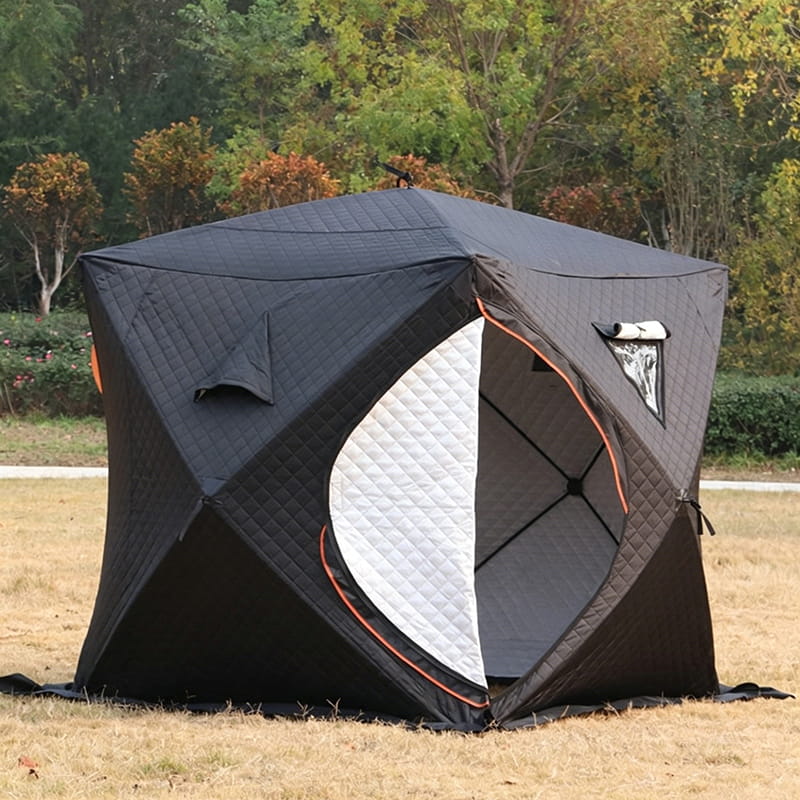
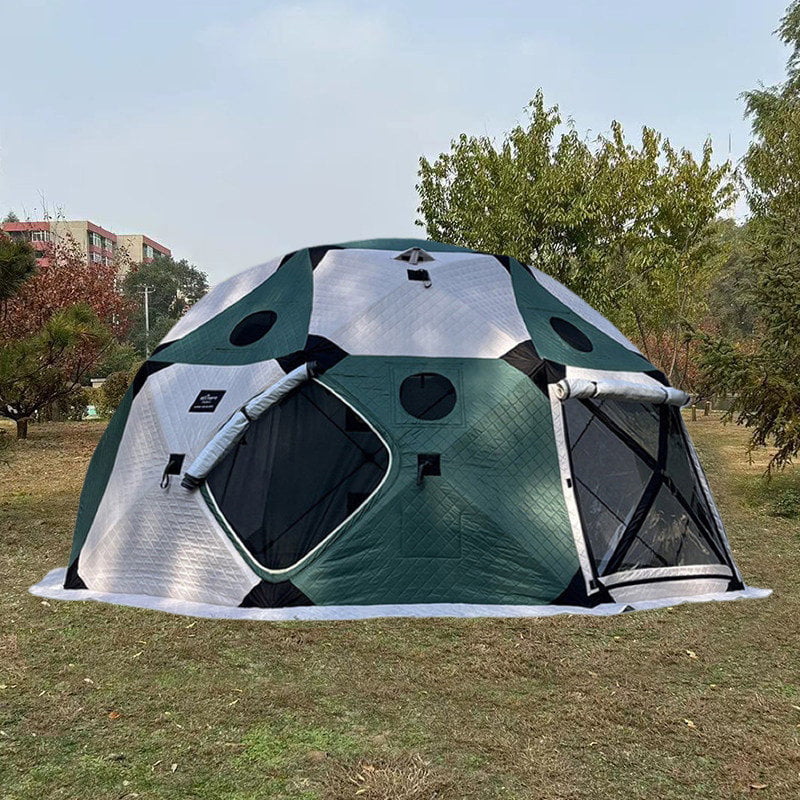
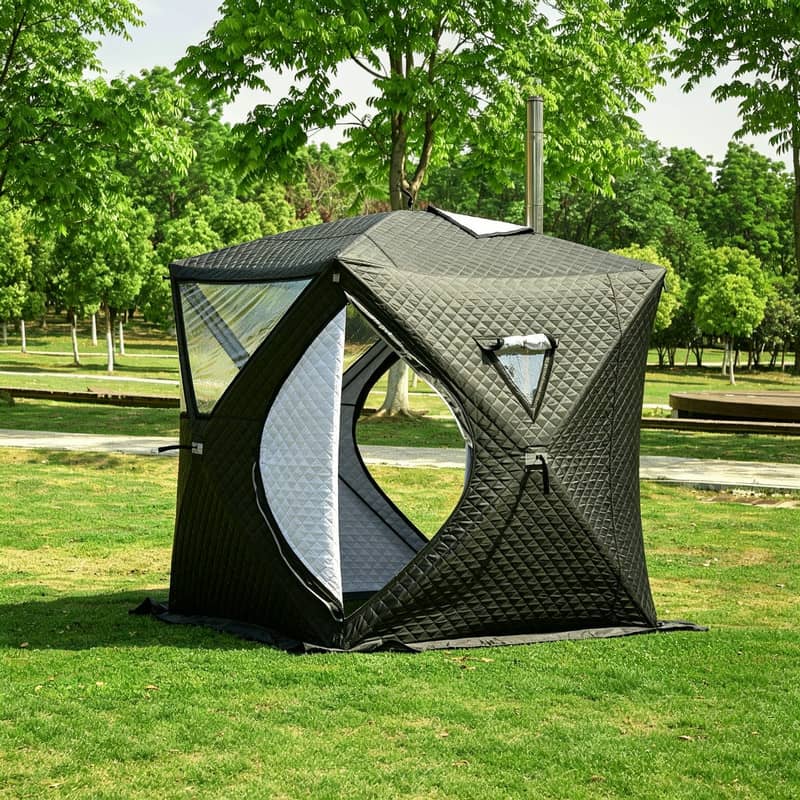

Ice Fishing & Sauna Tents: Insulation, Wind Protection, and Structural Design for Winter Shelters
Ice fishing and sauna tents make up a specialized category of winter shelters built for freezing temperatures, ice surfaces, snow camps, cold-weather leisure, and portable heated spaces. Unlike a regular camping tent, these products care most about insulation, wind resistance, snow protection, quick setup, anchoring into ice, controlled ventilation, and staying within safe limits under winter conditions. For outdoor brands, product managers, ice fishing gear teams, winter camping developers, and portable sauna product teams, understanding the structural logic, material demands, insulation approach, and manufacturing checkpoints behind an ice fishing shelter or portable sauna tent matters enormously for building something that actually holds up in the cold.
What Is an Ice Fishing & Sauna Tent?
An ice fishing and sauna tent describes a category of specialized outdoor shelters built for winter, ice, snow, and generally cold environments. These shelters create a portable enclosed space that handles insulation, wind blocking, snow protection, privacy, and controlled indoor activity all at once.
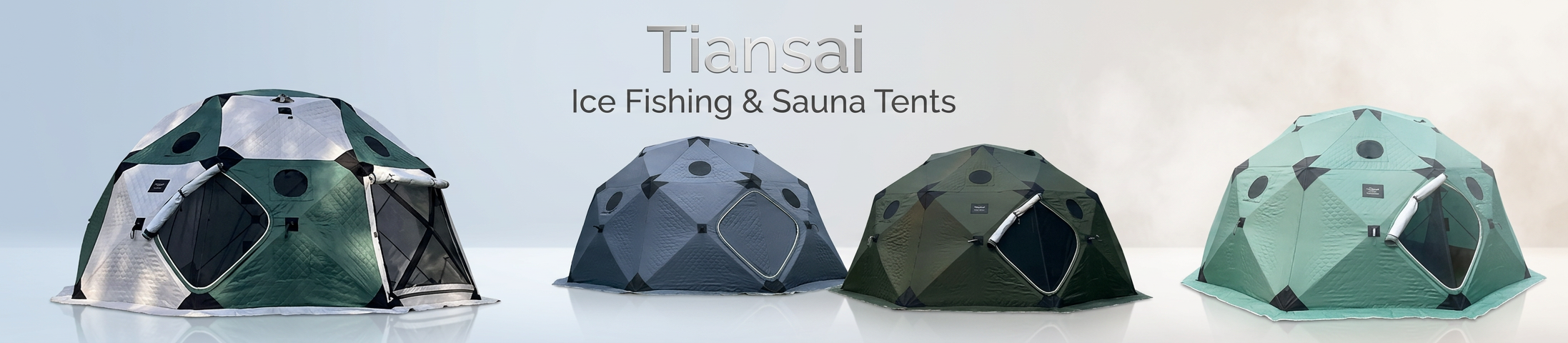
Common names in this space include ice fishing shelter, ice fishing tent, portable sauna tent, winter shelter tent, 4-season ice fishing shelter, instant pop-up ice fishing shelter, insulated fishing shelter, cubic ice fishing shelter, and ball dome winter shelter. Each type focuses on something slightly different, but all of them demand far more attention to low-temperature performance than a standard leisure tent would ever need.
An ice fishing tent mainly serves anglers out on frozen lakes or ice surfaces. It gives them a protected space to sit, manage gear, watch over fishing holes, cut down wind exposure, and stay reasonably comfortable through long fishing sessions. Interior height, floor layout, window placement, and how the ice anchors are configured all matter a great deal here.
A portable sauna tent serves an entirely different purpose. It creates a temporary heated sauna environment outdoors or within a controlled leisure setting. That calls for genuinely heat-resistant materials, proper ventilation, safe spacing around any heating equipment, and an entry and exit design that actually works in practice.
From a manufacturing standpoint, ice fishing and sauna tents need careful integration of insulated fabric, reinforced frame systems, sealed seams, windproof skirts, ventilation windows, zippers, anchors, carry bags, and overall structural balance. Winter shelters still need to function smoothly when users are wearing thick gloves, hauling gear, or simply working through freezing conditions.
Where Are Ice Fishing & Sauna Tents Used?
Ice fishing stands as the main application for an ice fishing shelter. People often stay out on frozen lakes for hours at a time, facing wind, brutal cold, snow, and glare bouncing off the ice. A shelter turns that into a warmer, far more controlled fishing environment.
Winter camping and snow camps suit a winter shelter tent equally well. These products can serve as temporary rest spots, gear storage, changing areas, or heated activity spaces — provided the materials and ventilation are actually designed for it.
Portable sauna use keeps growing across cold-weather leisure markets. A portable sauna tent supports temporary sauna sessions in backyards, at campsites, near lakes, and across outdoor wellness settings generally. Compared to a permanent sauna room, it offers far more mobility and flexibility to set up wherever makes sense.
Cold-region outdoor recreation, ice festivals, winter sports events, and temporary heated rest stations all lean on ice fishing and sauna tents too. These settings need fast setup, dependable anchoring, and practical ventilation, since weather can shift quickly without warning.
Snowfield activities, remote winter camps, and emergency rest spaces often need shelters that transport easily, pitch quickly, and stay stable on snow or ice. Packed size, the anchor system, frame strength, and zipper reliability all become critical factors in these situations.
Different winter scenarios call for different priorities entirely. Ice fishing leans on insulation, ice anchoring, window visibility, and comfort through long stays. Portable sauna use leans on heat tolerance, controlled airflow, moisture release, and careful safety planning around the structure.
Insulation and Wind-Protection Structure Design
Insulation stands as a core performance factor for ice fishing and sauna tents alike. Thermal fabric helps cut heat loss and keeps the interior noticeably more comfortable in cold conditions. Fabric thickness, layering, density, and coating all shape how well that thermal performance actually holds up.
Core Insulation and Protection Elements
An insulated layer boosts heat retention meaningfully, especially in an insulated fishing shelter or 4-season ice fishing shelter. The insulation system needs designing carefully so it doesn't push the product into being excessively heavy or a hassle to pack.
Double-layer construction helps create a more stable interior environment overall. In ice fishing shelters, a double-layer wall can cut heat loss and reduce condensation contact. In sauna tents, layer choice needs to account for heat tolerance and moisture levels specifically.
A windproof skirt matters a lot at the bottom edge of any winter shelter. It cuts down cold air sneaking in, side drafts, and snow blowing underneath. The skirt can also get weighted down with snow or secured directly for better ground contact.
A reinforced hub frame improves structural stability considerably. Hub-style ice fishing shelters typically rely on central hubs paired with tensioned wall panels. Strong hubs, reinforced joints, and precise panel tension all help the shelter hold its shape against wind.
A snow-resistant structure needs to avoid letting snow pile up on the roof. Steeper wall angles, stable fabric tension, and sound roof geometry all help snow slide off rather than accumulate. A flat or loose roof surface tends to collect snow and pile on extra load fast.
Sealed seams support weather resistance by keeping moisture from sneaking in through the stitching. For winter shelters, seams around windows, doors, roof panels, and lower edges need particular attention, since wind-driven snow finds its way through even small gaps.
Heavy-duty ground anchors help stabilize the shelter on ice, snow, or frozen ground. Standard stakes generally don't grip ice well, which is why ice anchors, screw anchors, or other specialized anchoring systems usually end up necessary instead.
A genuinely good winter shelter can't rely on thick fabric alone. Insulation, frame geometry, how the floor edge meets the ground, anchoring, seam quality, ventilation, and ease of access all need to work together to deliver real performance in low-temperature conditions.
Fast Setup and Ice-Surface Stability Design
Fast setup matters enormously in winter, since people are often wearing gloves, fighting wind, or simply working in freezing temperatures. A pop-up hub structure lets the shelter expand quickly with fewer assembly steps, which is exactly why it shows up so often in instant pop-up ice fishing shelter designs.
Setup, Frame, and Stability Components
A cubic shelter structure makes remarkably efficient use of interior space. A cubic ice fishing shelter typically offers near-vertical walls, giving users more usable room for chairs, fishing holes, heaters, and gear. That said, vertical walls need careful anchoring to stand up against wind properly.
A ball dome shelter or ball dome winter shelter uses curved geometry to spread wind load more evenly. The rounded shape helps reduce sharp stress points, though interior layout and usable wall height still deserve careful evaluation before committing to this shape.
Fiberglass poles offer flexibility and work in certain lightweight winter shelter structures. They recover their shape well, but need careful selection for low-temperature performance, since cold conditions can change how materials behave in ways warm-weather testing won't reveal.
A steel frame delivers stronger rigidity and often shows up in heavier-duty winter shelter designs. It boosts support strength considerably, though that comes with added packed weight. Frame coating and corrosion resistance also deserve attention given how much snow and moisture the frame will face.
Ice anchors are essential to many ice fishing shelters, securing the shelter directly into the ice surface itself. Anchor shape, thread design, how usable the handle is, and where attachment points sit should all work well even with thick gloves on.
Guy ropes improve stability considerably in windy conditions. Rope layout should align with frame hubs, corners, and roof load points specifically. Poorly placed guylines simply won't support the areas actually taking the most stress.
A wide base design improves stability by cutting down the risk of tipping or twisting. A larger footprint also boosts interior usability, though it can increase packed size and wind exposure at the same time. The design needs to balance comfort against stability rather than maximizing one at the expense of the other.
A zipper door needs to stay fully functional in cold weather. Larger zipper pulls, storm flaps, smooth operation, and anti-snag design all matter, since users frequently operate doors while wearing gloves.
A ventilation window matters even in freezing conditions. Breathing, heaters, damp clothing, and temperature differences all create condensation over time. Adjustable vents let moisture escape without exposing the interior to too much wind.
Functional Differences Between Ice Fishing Tents and Sauna Tents
An ice fishing shelter is built primarily around cold-weather fishing. It focuses on insulation, wind blocking, window visibility, how fishing holes fit into the layout, seating comfort, gear space, and anchoring into ice. Users often stay inside for long stretches while managing fishing equipment throughout.
Window design carries real weight in ice fishing tents. Observation windows, removable covers, and controlled interior lighting help users track outside conditions while staying warm inside. Window placement should match seated height and how the fishing activity actually unfolds.
Interior layout needs to account for fishing holes, chairs, heaters, tackle boxes, and enough room to move. A shelter that only lists a capacity number can still feel cramped if it ignores how much gear actually needs to fit alongside the people.
A portable sauna tent carries entirely different priorities. It needs heat-resistant materials, proper steam and moisture release, convenient access, adequate internal clearance, and safe positioning relative to any heating equipment. Ventilation needs careful planning specifically to support safer use overall.
Sauna tents demand clearer safety boundaries than fishing shelters do. The design needs to account for distance from the heat source, material tolerance, vent placement, door access, floor condition, and how users move around inside. Material choice can't be based purely on general outdoor weather resistance here.
Moisture management differs meaningfully between the two as well. Ice fishing tents need to reduce condensation from cold air and breathing. Sauna tents need to handle much higher humidity and heat instead. Vent design, fabric choice, and seam construction should all reflect that difference rather than following one universal template.
Even though both fall under winter shelters broadly, they shouldn't be developed with identical structures. An ice fishing tent and a portable sauna tent might share frame concepts or insulated materials, but their actual use environment and safety requirements remain genuinely distinct from each other.
Key Points for Custom Ice Fishing Tent Manufacturing
Before custom ice fishing tent manufacturing gets underway, the development team needs to confirm the primary use case first. Ice fishing, winter camping, portable sauna use, snowfield rest, and outdoor event shelters all call for different material and structure choices from the start.
Capacity needs defining early on. A one-person shelter can stay compact and easy to carry, while a larger insulated fishing shelter needs more interior height, a wider base, sturdier hubs, and more careful ventilation planning.
Open size and interior height should match how users actually spend their time inside. Ice anglers might sit in chairs, drill fishing holes, run heaters, store gear, and handle equipment with gloves on. Sauna tent users need safe clearance, room to stand or sit, and easy entry without hassle.
Structure type is another major decision point. Options range across pop-up hub systems, cubic shelters, ball dome shelters, pole-supported structures, or steel frame systems. Each choice shapes setup speed, wind performance, packed size, and overall cost.
Insulation material and layer configuration should match the target temperature range and acceptable packed weight. Thermal fabric, an insulated layer, double-wall design, and reinforced lower panels all boost comfort, but they add weight and bulk to the packed product too.
Water resistance and snow resistance need confirming based on the target market's climate. Coating, seam sealing, storm flaps, roof angle, and lower skirt design all shape how well the shelter performs in wet snow, freezing rain, and wind-driven conditions.
Ventilation position needs careful planning. Vents should release moisture and heat while still keeping direct wind from rushing in. Window placement, mesh panels, fabric covers, and adjustable closures all shape both comfort and safety together.
Anchoring configuration is absolutely critical here. Ice anchors, heavy-duty ground anchors, guy ropes, stake loops, corner reinforcements, and skirt fixation all need to match the surface type and expected wind exposure specifically.
Color, printed branding, packaging method, carry bag design, accessory list, zipper size, window opening style, and target climate all need confirming too. For a custom ice fishing tent project, sorting out technical details early cuts down sample revisions and keeps production consistent once things get underway.
Frequently Asked Questions
1. What is the difference between an Ice Fishing Tent and a regular camping tent?
An ice fishing tent is built for low-temperature use, ice anchoring, wind blocking, insulation, observation windows, and long stretches on frozen surfaces. A regular camping tent generally focuses on sleeping, general shelter, and seasonal outdoor stays instead.
2. What material requirements does a Portable Sauna Tent have?
A portable sauna tent needs materials suited to heat, humidity, ventilation, and repeated setup. Heat tolerance, moisture release, safe clearance around heating equipment, door access, and vent placement all matter far more here than in a standard leisure shelter.
3. What are the features of a 4-Season Ice Fishing Shelter?
A 4-season ice fishing shelter typically includes insulated fabric, a reinforced frame structure, windproof skirt, sealed seams, ice anchors, adjustable ventilation windows, and a layout built for cold-weather fishing or general winter outdoor use.
4. What are the advantages of an Instant Pop Up Ice Fishing Shelter?
An instant pop-up ice fishing shelter delivers faster setup, fewer assembly steps, and easier handling in cold weather. It pays off whenever users need to pitch quickly while wearing gloves or facing wind out on the ice.
5. How can a winter shelter remain stable in low-temperature conditions?
Stability comes from reinforced hubs or frames, proper fabric tension, windproof skirt design, ice anchors, guy ropes, a wide base geometry, sturdy zipper doors, and correctly placed anchors. Material performance at low temperatures deserves testing too, not just assumed.
6. What parameters are needed for developing an ice fishing tent sample?
Key parameters include use scenario, user capacity, open size, interior height, structure type, insulation material, waterproof level, cold-resistance requirement, vent position, window style, ice anchor configuration, color, printed branding, packaging method, target climate, and accessory set.
7. Why is ventilation important in cold-weather shelters?
Ventilation cuts down condensation, moisture buildup, and general stuffiness inside. In ice fishing shelters, it helps manage humidity from breathing and heaters. In portable sauna tents, it's essential for moisture release and safer heat management overall.
8. Is a Cubic Ice Fishing Shelter better than a dome-style winter shelter?
A cubic ice fishing shelter offers more vertical wall space and practical interior room for chairs, fishing holes, and gear. A dome or ball-style shelter distributes wind load differently instead. The right choice really depends on user capacity, wind conditions, packing targets, and how the interior layout needs to work.
Ice fishing and sauna tents bring together insulation, wind protection, snow resistance, fast setup, ice anchoring, ventilation, and portable storage into one specialized category of winter shelters. Their real value comes from creating controlled activity spaces in the cold, whether that's for ice fishing, winter camping, portable sauna use, snow camps, events, or temporary heated rest areas.
Where ice fishing and sauna tent development heads next will likely keep focusing on stronger insulation efficiency, sturdier low-temperature structures, faster setup systems, safer ventilation design, lighter portable packing, and increasingly refined manufacturing. Getting product development right ultimately comes down to coordinating thermal materials, frame engineering, anchor systems, vent placement, seam construction, sample testing, quality inspection, and consistent production — as one connected process rather than separate pieces solved in isolation.
