


 English
  عربى
عربى 

Humanitarian & Large Tents
Product Category
Contact us
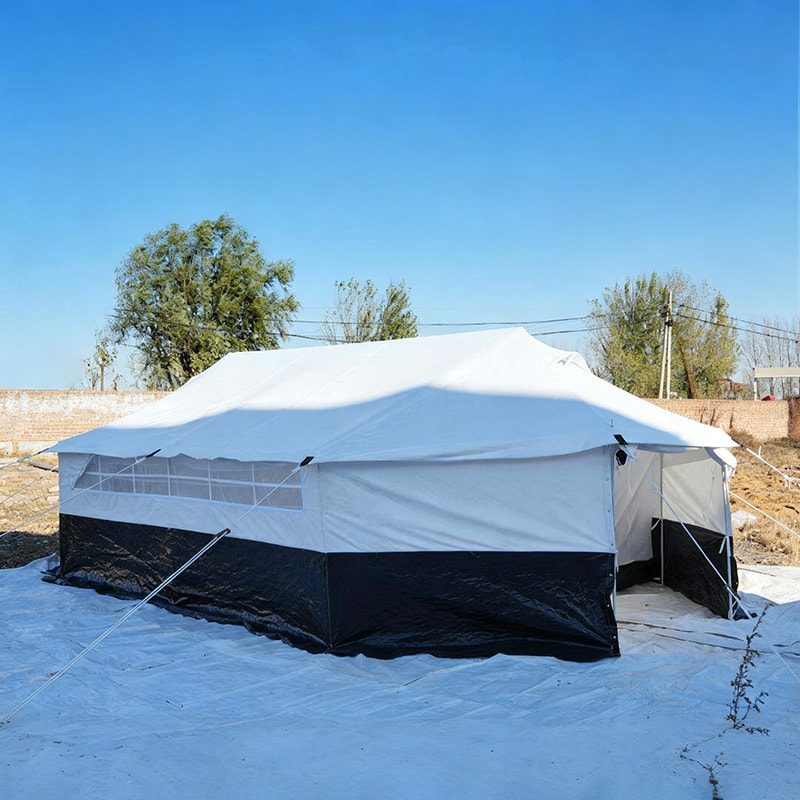
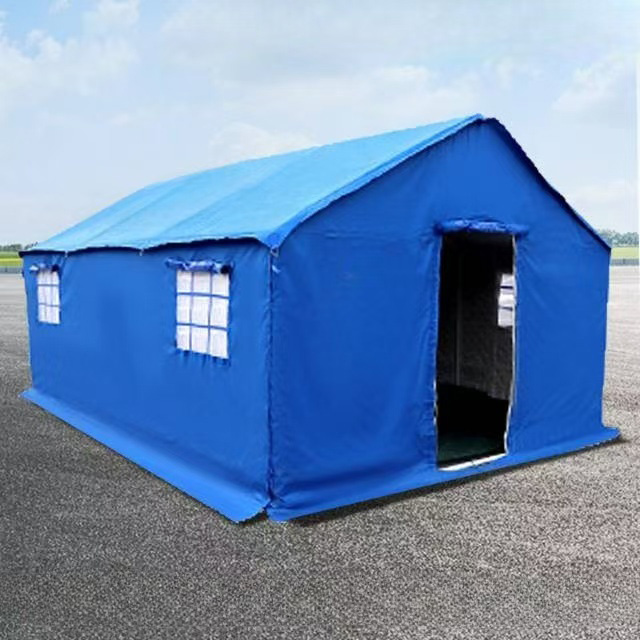
Built for Humanity and Large-Scale Needs
Tiansai delivers robust and dependable shelter solutions for the most challenging environments. From emergency humanitarian missions to large-scale temporary infrastructure, our tents provide secure, comfortable, and long-lasting protection where it is needed most.
Our comprehensive range includes family and refugee shelters, operational command tents, community activity spaces, expansive span structures and hangars, as well as traditional Pamir-style tents engineered specifically for extreme weather conditions.
Every structure is designed with speed in mind — allowing rapid deployment by small teams while maintaining exceptional durability against heavy rain, strong winds, snow, and intense UV exposure. With high-quality materials, reinforced construction, and thoughtful ventilation systems, these tents ensure safety, dignity, and functionality for disaster relief operations, refugee camps, field hospitals, logistics bases, and temporary communities.
Backed by extensive OEM manufacturing expertise, Tiansai offers flexible customization and reliable large-volume production to support international organizations, NGOs, governments, and contractors on global projects.
When resilience and reliability matter most, trust Tiansai to provide shelter solutions that perform under pressure and stand the test of time.
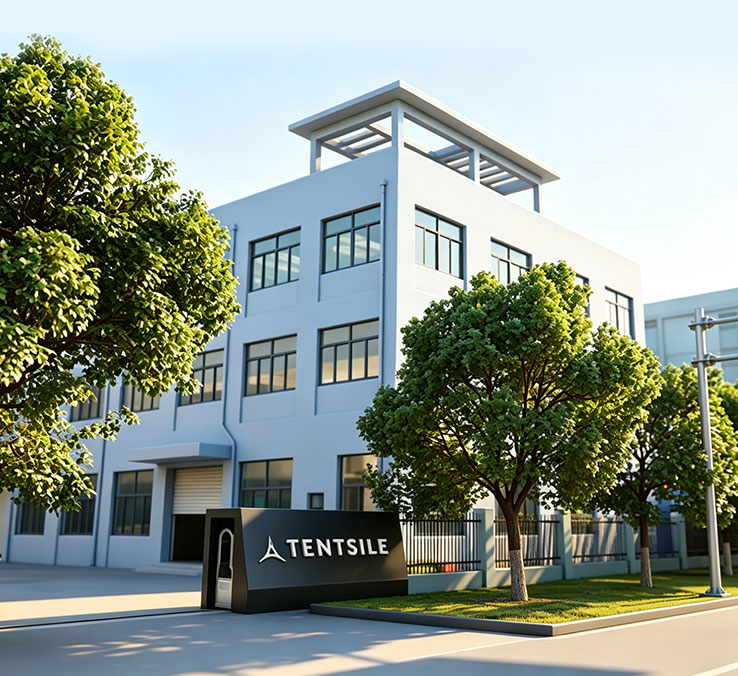
Ningbo Zhenhai Tiansai Leisure Products Co., Ltd. is a well-known brand enterprise specializing in the design, production and sales of Humanitarian Tents. Headquartered in Zhenhai District, Ningbo City, Zhejiang Province, the Humanitarian & Large Tents supplier has a covering an area of over 13,000 square meters. Leveraging Ningbo's geographical advantage as an important port city, the company's products are exported to many countries and regions around the world.
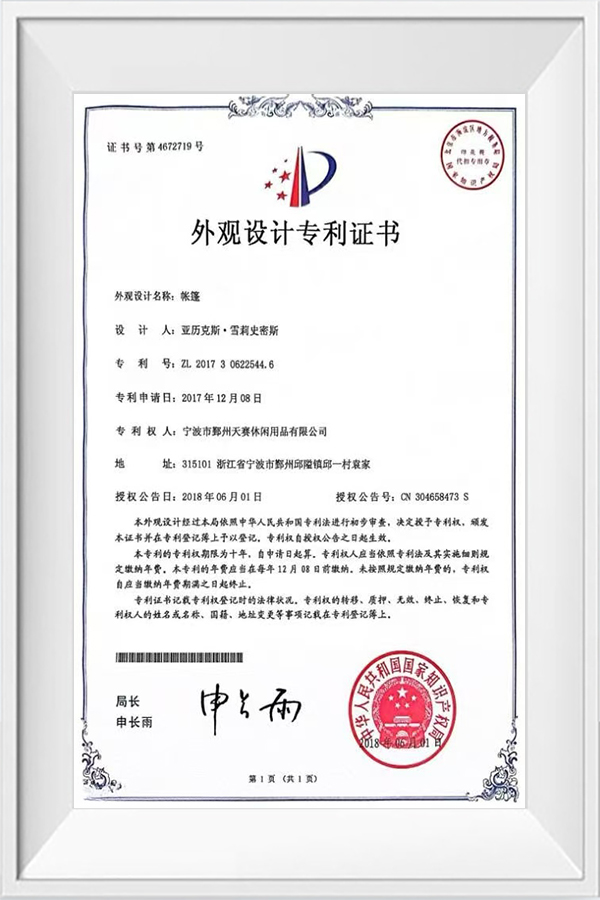
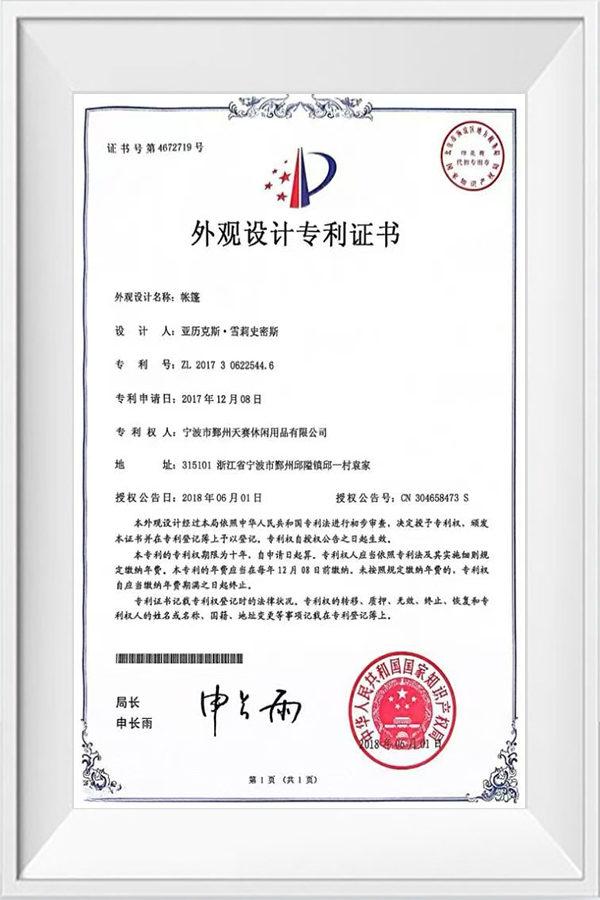
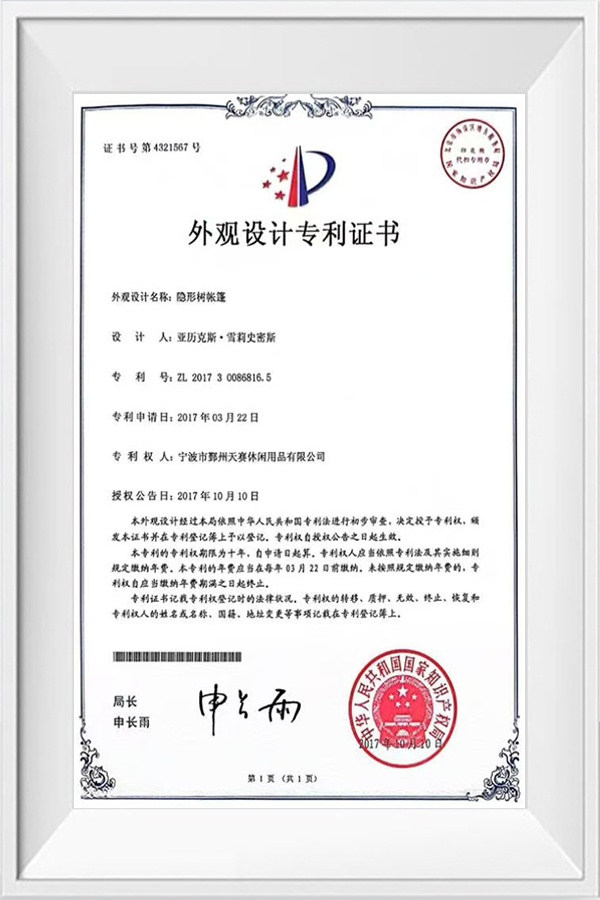
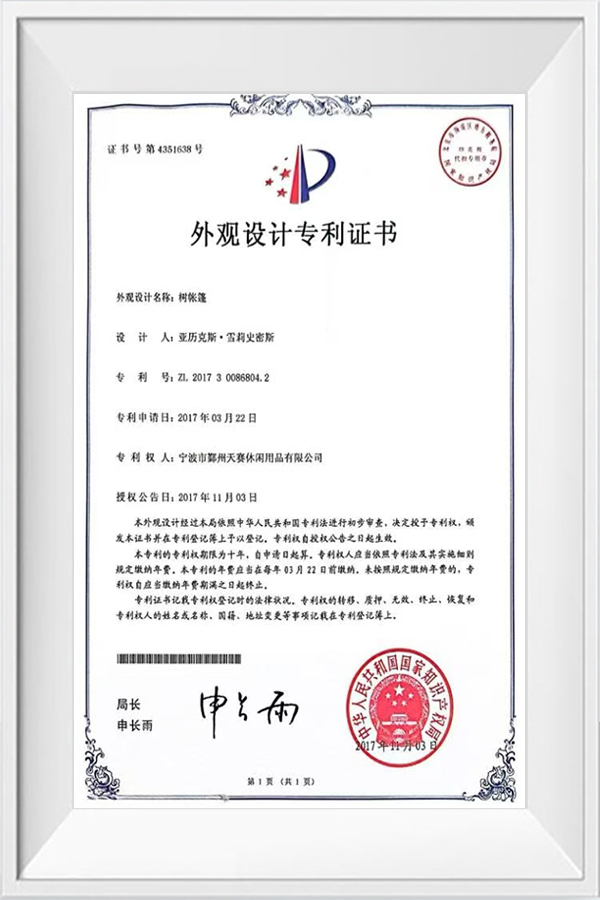
Since its establishment, Tiansai Leisure has become the sole global designated supplier of the British company TENTSILE, and has successfully designed and obtained a number of appearance patents and utility model patents. With excellent quality and outstanding performance, its products have won wide recognition and popularity in North America, Europe, Asia and other regions.
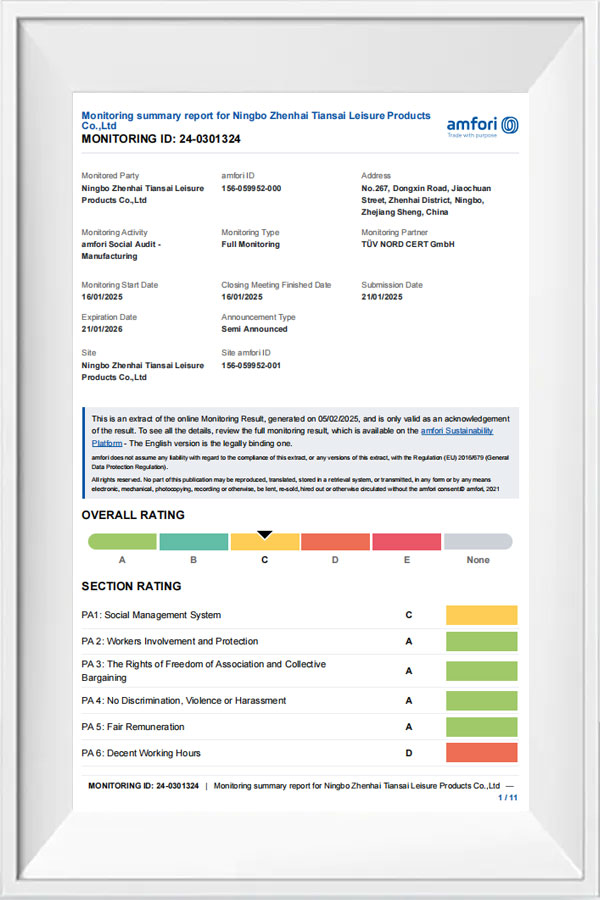
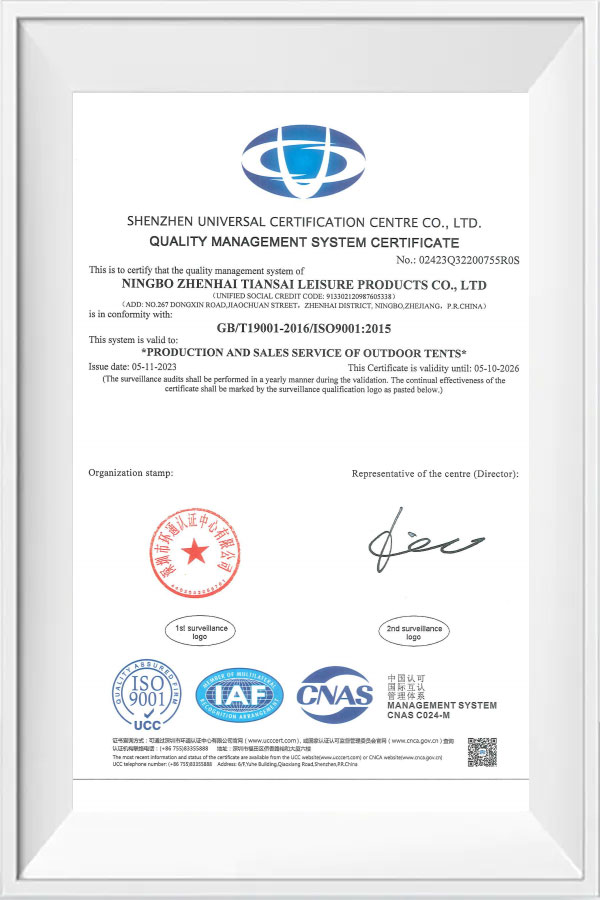
Our Updates
Humanitarian & Large Tents for Relief, Shelter and Temporary Space Projects
Humanitarian & Large Tents are designed for projects that need fast, practical and reliable temporary space. They are commonly used for disaster relief, emergency shelter, medical support, temporary accommodation, field operations, storage, large events and outdoor work sites.
For B2B buyers, these tents are not simple outdoor products. They are project-based shelter solutions. A suitable tent must match the local climate, expected service time, installation conditions, number of users, transport method and budget. This is why professional sourcing usually focuses on fabric strength, frame stability, waterproof performance, ventilation, packing volume, spare parts and customization options.
As demand increases from NGOs, government emergency programs, relief suppliers, contractors, importers and distributors, Humanitarian Tents and Large Tents have become important product categories in the global temporary shelter market.
What Are Humanitarian & Large Tents?
Humanitarian & Large Tents are large temporary shelter structures used to provide covered space for people, goods, equipment or field services. They can be installed quickly and used in places where permanent buildings are unavailable, delayed or unnecessary.
A humanitarian tent is often used for emergency relief, temporary housing, medical triage, field clinics, refugee support, rescue team accommodation or supply distribution. A large tent may also be used for storage, outdoor events, construction sites, military logistics, command centers, exhibitions or group activities.
Compared with ordinary camping tents, these products are usually larger and stronger. They need better resistance to rain, sun, wind and repeated handling. They also require more practical design details, such as wide entrances, ventilation windows, reinforced fixing points, ground sheets, partition options and transport-friendly packaging.
Common types include emergency tents, relief tents, disaster response tents, shelter tents, medical tents, field hospital tents, temporary accommodation tents, warehouse tents, event tents and multi-person tents.
Raw Materials and Component Sources
Material selection is one of the most important decisions when developing Humanitarian & Large Tents. Different projects require different fabric and frame solutions.
Tent Fabrics
For short-term emergency use, PE or polyester materials may help control cost and weight. For longer outdoor use, Oxford fabric or PVC-coated fabric is often selected for better waterproofing, tear strength and durability.
For hot or humid regions, breathable design and mildew-resistant treatment can be important. For high-sunlight areas, UV-resistant fabric helps extend product life. For public projects, medical use or government procurement, flame-retardant requirements may also need to be confirmed before production.
Frame and Hardware
Galvanized steel is widely used for strength and cost control. Aluminum alloy is lighter and easier to handle, which may be suitable for projects requiring frequent movement or faster installation.
Accessories and Packaging
Depending on the project, tents may include doors, windows, mesh panels, ventilation openings, ground sheets, inner partitions, repair kits, carry bags, woven bags, cartons or pallet packaging.
Stable raw material supply is important for bulk orders. Consistent fabric, metal parts, ropes, webbing and packaging materials help reduce production variation and improve delivery reliability.
Simple Production Process
The production process starts with confirming project requirements. Buyers usually need to define the tent size, capacity, fabric level, frame type, color, accessories, packing method and target use environment.
After the specification is confirmed, the factory prepares drawings or samples. For customized projects, a sample tent can be made to check structure, installation method, size, fabric performance and packaging details.
For large-volume orders, inspection is usually focused on fabric quality, dimensions, stitching, welding lines, waterproof areas, frame matching, accessory completeness and packing accuracy.
FAQ for Humanitarian & Large Tents
To receive an accurate quotation, buyers should provide the tent size, quantity, fabric requirement, frame type, application scenario, destination country, packaging preference and any certification or flame-retardant requirements.
Photos, drawings or reference products are also helpful for custom projects.
Humanitarian tents are usually larger, stronger and designed for project use. They focus on shelter capacity, weather resistance, fast deployment, ventilation, repeated use and bulk supply.
Regular camping tents are mainly designed for personal outdoor leisure and short-term recreational use.
Yes. Waterproof performance can be improved through coated fabric, sealed seams, heat welding, high-frequency welding, waterproof strips and proper roof slope design.
Buyers should confirm the expected waterproof level before production, especially for rainy regions or long-term outdoor use.
Yes. Flame-retardant fabric can be selected for projects that require higher safety standards. This is common for government tenders, medical tents, public events and emergency response projects.
Testing standards should be confirmed according to the destination market or project requirement.
Production time depends on order quantity, material availability, customization level and factory schedule.
Standard products usually have a shorter lead time. Custom sizes, special fabrics, printed logos or new frame structures may require more time for sampling and confirmation before mass production.
Yes. Size, height, door position, window quantity, ventilation openings, partition layout and ground sheet design can be customized.
For large tents, the structure must be reviewed carefully to keep the product stable and practical.
Yes. Logos, organization names, project codes, warning labels or directional signs can be printed on the fabric, carry bags or packaging.
Printing method depends on fabric type, logo size, color and order quantity.
Wholesalers should consider carton strength, bag material, folded size, product weight, label information, barcodes and container loading quantity.
For e-commerce or retail distribution, stronger packaging may reduce damage during handling. For relief projects, woven bags or pallet packing may be more practical.
Yes. Spare parts can include poles, connectors, ropes, stakes, repair patches, zippers, buckles and storage bags.
For large projects or remote deployment areas, ordering spare parts together with the tents is recommended.
Yes. OEM and ODM services are available for buyers who need custom Humanitarian Tents, Large Tents, Medical Tents, Temporary Accommodation Tents or other project-based shelter products.
The factory can develop products according to drawings, samples, technical files or application requirements.
Message Us Right Now!
-
Mp: +86-18858091910
E-mail: sales@tenplaytent.com
Mp: +86 15343681553
E-mail:serena@tenplaytent.com
ADD: No. 529, Guangyuan Road, Xiepu Town, Zhenhai District, Ningbo City, Zhejiang Province, China
-
Quick Links
Home Products About Us Advantage News Contact Us -
Product
Inflatable & Air Tents Glamping & Resort Tents Backpacking & Trekking Tents Automatic & Pop-Up Tents Family & Camping Tents Specialty Tents & Shelters Kids Tents Pet Tents Humanitarian & Large Tents Hammock -
Get Connected
 Humanitarian Tents for Sale