


 English
  عربى
عربى 

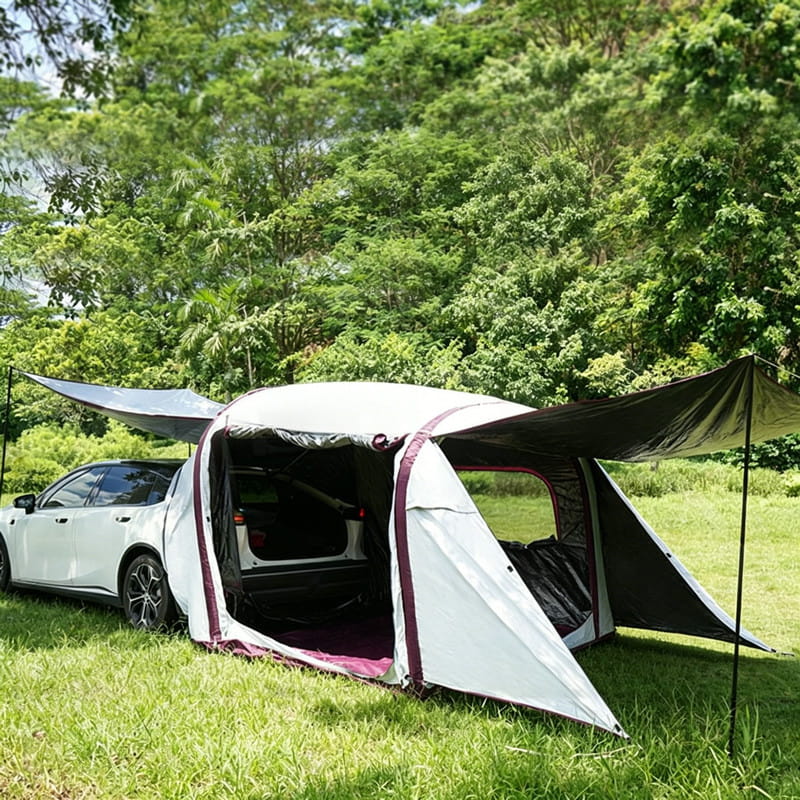
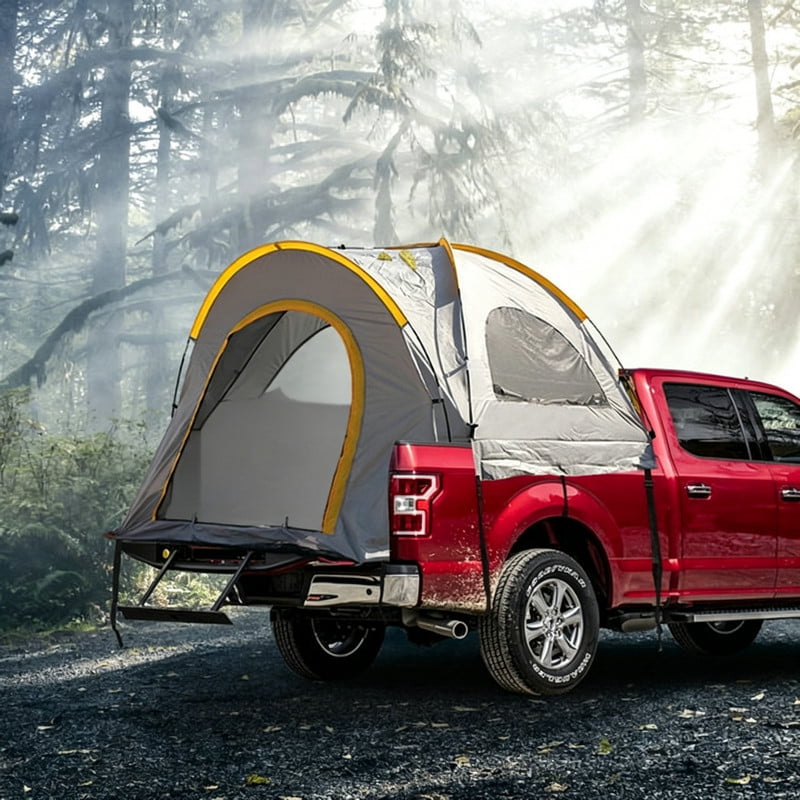
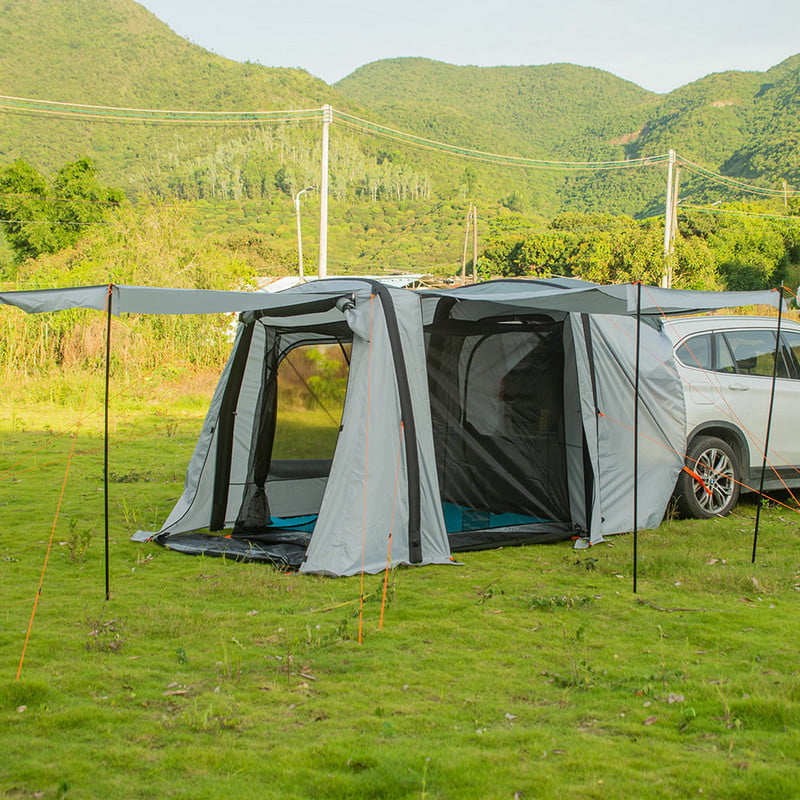
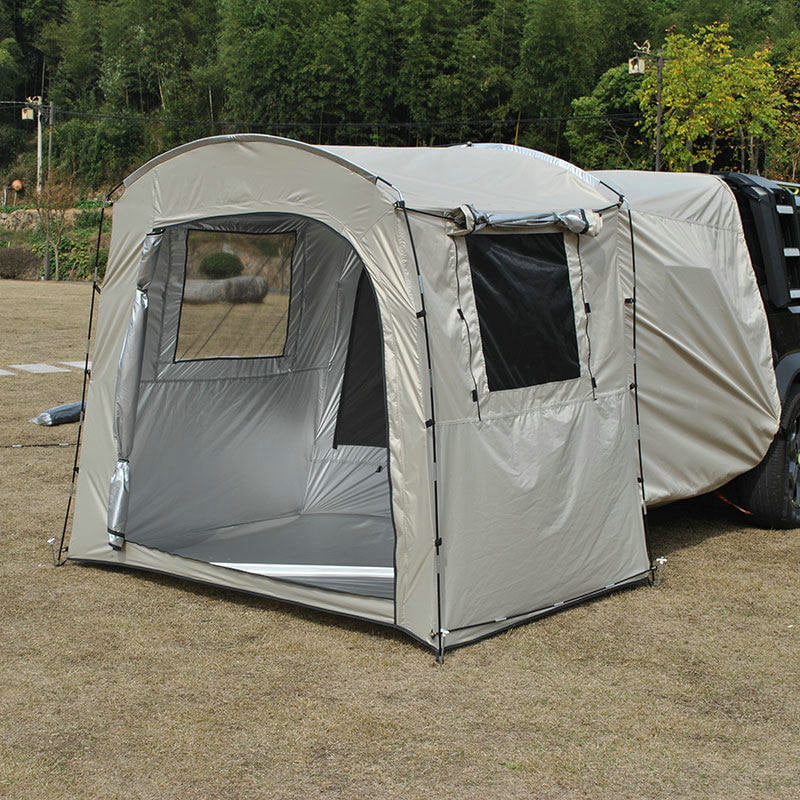





Vehicle Tail & Side Tents: Space Extension, Vehicle Fitment, and Weatherproof Structure Design
Vehicle tail and side tents are shelters built to connect directly with a vehicle, expanding usable space around cars, SUVs, MPVs, vans, trucks, RVs, caravans, and trailers. Unlike a standalone camping tent, these shelters treat the vehicle itself as part of the structure, creating practical zones for resting, cooking, changing, storing gear, tailgate camping, or grabbing quick shade and rain cover. For outdoor brands, product managers, vehicle camping gear teams, overland developers, and SUV or RV accessory teams, understanding vehicle fitment, connection methods, waterproof sealing, frame design, and custom manufacturing logic matters enormously for building dependable vehicle-mounted tent and awning solutions.
What Is a Vehicle Tail & Side Tent?
A vehicle tail and side tent is an outdoor shelter that attaches to the rear or side of a vehicle to stretch out living or activity space. It might connect to an open tailgate, rear hatch, roof rail, side awning rail, truck bed, RV wall, caravan body, or trailer frame.
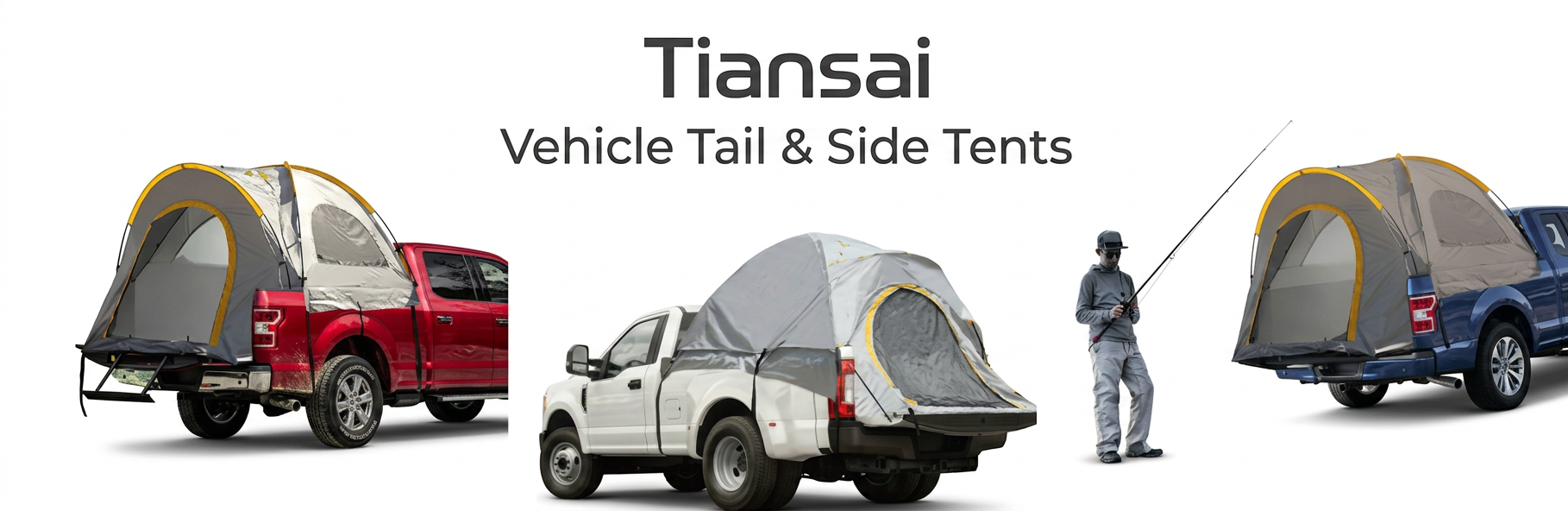
Common names across this category include SUV tailgate tent, car rear tailgate awning, vehicle side awning, truck bed camping tent, RV side awning, inflatable car rear awning, pop-up SUV tailgate tent, car rear extension shelter, tailgate camping tent, and vehicle-mounted tent.
The core function running through all of these is space extension. By using the vehicle as an anchor point or partial wall, the shelter creates an outdoor living zone that connects directly to the vehicle's interior or cargo area.
For SUV and van owners, a rear tent turns the tailgate area into a changing room, cooking space, gear storage zone, or shaded rest spot. For trucks, a truck bed tent converts the cargo bed into a raised sleeping platform. For RVs and caravans, a side awning creates a protected outdoor lounge or dining area right alongside the vehicle.
From a development standpoint, vehicle tail and side tents demand far more fitment planning than a regular tent ever would. Vehicle geometry, connection method, rear hatch angle, roof rail position, sidewall shape, wind exposure, and user access all need consideration together as one interconnected problem.
Where Are Vehicle Tail & Side Tents Used?
Vehicle-side camping stands as one of the most common applications here. Campers frequently use an SUV tailgate tent or car rear tailgate awning to create a sheltered zone directly behind the vehicle, making cooking, changing, sorting gear, or simply resting near the car far more convenient.
Overland travel represents another key scenario. People traveling through remote areas need shelters that go up quickly and pack away efficiently. A vehicle side awning or tailgate camping tent supports rest stops, meals in the field, and overnight camps without much fuss.
RV and caravan camping frequently relies on an RV side awning to stretch the living area beyond the vehicle itself. That creates a shaded, rain-protected space for chairs, tables, cooking gear, and family time.
Truck camping often uses a truck bed camping tent to turn the truck bed into a sleeping area. The raised bed surface keeps users off wet ground while using the vehicle's cargo area as a stable, ready-made platform.
Family outdoor leisure, beach trips, festivals, sporting events, mobile camps, outdoor supply points, and temporary shade needs all suit this category well too. In these settings, quick setup, shade coverage, weather protection, and vehicle compatibility all carry real weight in the decision.
Different vehicle types demand different structures entirely. SUVs and hatchbacks need rear hatch compatibility, trucks need bed-size matching, vans might need taller side coverage, and RVs typically require stable side mounting paired with a larger canopy span.
Vehicle Fitment and Connection Structure Design
Vehicle fitment forms the foundation of this entire product category. A shelter that fits one vehicle beautifully might not fit another at all, given how much tailgate height, rear hatch shape, roof rail position, bumper width, tire location, and body curvature can vary.
Key Vehicle Connection Elements
A tailgate connection shows up commonly in SUV rear shelters. The tent or awning wraps around the rear hatch opening or attaches near the tailgate area, creating a covered transition between the vehicle's interior and the outdoor space beyond.
Side awning mounting handles vehicle side shelters instead. Awnings might connect to roof rails, crossbars, side rails, dedicated brackets, or RV awning channels. Mounting strength and position shape both shade coverage and wind stability directly.
Adjustable straps let a shelter fit across a wider range of vehicle shapes. Straps can connect to wheels, roof rails, hatch hinges, bumpers, or internal anchor points. Adjustment range and buckle quality both shape how easy installation actually feels.
An elastic sleeve helps wrap fabric around the rear hatch or vehicle body. That boosts fitment flexibility and cuts down gaps — though sleeve tension needs balancing carefully, or installation gets difficult and sealing turns loose.
Hook-and-loop closure often secures fabric around vehicle edges, poles, window openings, or adjustable panels. It offers flexible positioning, which pays off in vehicle fitment zones where dimensions shift from one model to the next.
A vehicle seal cuts down rain entry, wind gaps, and insect access between the shelter and the vehicle body. Seal design might include overlapping fabric, elastic edges, storm flaps, adjustable straps, or shaped connection panels.
Rear hatch compatibility proves critical for SUV tailgate tent products specifically. The design needs to account for hatch height, opening angle, gas strut location, taillight position, and rear door clearance. Poor compatibility hurts both sealing and everyday usability.
Roof rail fitting matters for side awnings and certain rear extension designs too. The attachment method needs to match roof rail strength, bracket spacing, vehicle height, and expected load direction once wind hits the setup.
Space Extension and User Experience Design
A rear extension shelter creates space directly behind the vehicle. That area can serve as a changing room, gear storage zone, cooking shelter, shower privacy space, or general rest area — especially handy for SUVs, vans, and hatchbacks.
Common Space and Usability Features
A side canopy delivers shade and rain coverage running along the vehicle's side. It creates a dining area, lounge space, work zone, or temporary camp base — common across overland trips, RV setups, and family camping alike.
A truck bed sleeping shelter turns the bed itself into a sleeping space. Since the truck bed sits raised above the ground, it cuts down exposure to mud and uneven terrain. The tent needs to match bed length, wheel well shape, and tailgate position precisely.
A vehicle-based camping basecamp often combines a rear shelter, side awning, tables, storage, and seating into one setup. Here, the tent becomes part of a larger outdoor living system rather than standing alone as just a sleeping shelter.
A living room extension shows up commonly for RVs, vans, and caravans. The shelter adds a semi-enclosed outdoor room for meals, family downtime, gear organization, or shelter from sun and light rain.
An awning wall can get added to side awnings to boost privacy and weather coverage. Removable walls, mesh panels, zipper panels, and clear windows all make the space more adaptable across shifting weather conditions.
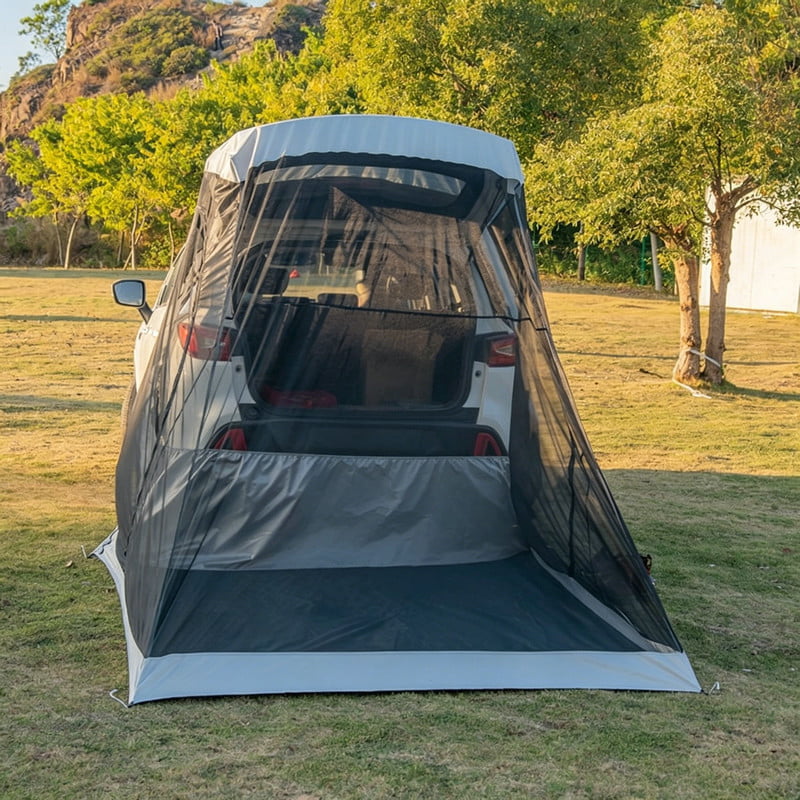
A mesh window improves airflow while helping keep insects out. Where it sits should account for privacy, vehicle door access, cooking ventilation, and overall interior comfort — mesh panels prove especially valuable in warmer climates.
A zipper door needs to support easy entry from both outside and from the vehicle side. Door width, zipper path, roll-up function, and storm flap coverage all shape the everyday user experience.
A removable floor can boost comfort in changing or sleeping areas. It also comes out easily for cooking, muddy conditions, or storing wet gear. Floor structure should match whatever function the shelter is actually serving.
Waterproofing, Wind Resistance, and Support Systems
Weather protection comes down to material, structure, tension, and connection quality working together. Waterproof fabric shows up commonly in rainfly panels, roof coverage, and awning surfaces. Fabric choice should match the target climate, packed weight, and durability needs of the project.
Common Weatherproof and Support Components
PU coating boosts water resistance and gets used widely on polyester or Oxford fabric. Coating level should get selected based on expected rain exposure and where the product sits in the market.
Sealed seams keep water from sneaking in through the stitching. For vehicle-connected tents, seams around roof panels, vehicle connection zones, windows, doors, and reinforced corners all deserve careful review.
Reinforced corners matter because vehicle awnings and tailgate tents routinely see concentrated tension at strap points, pole corners, guyline loops, and mounting areas. That reinforcement keeps the structure stable through repeated setup cycles.
Fiberglass poles suit lightweight structures and certain flexible shelter designs well. They offer good elasticity and show up commonly in compact rear tents or pop-up shelters.
Aluminum poles strike a useful balance between strength and weight. They show up often in side awnings, larger canopy spans, and shelters where both rigidity and portability matter equally.
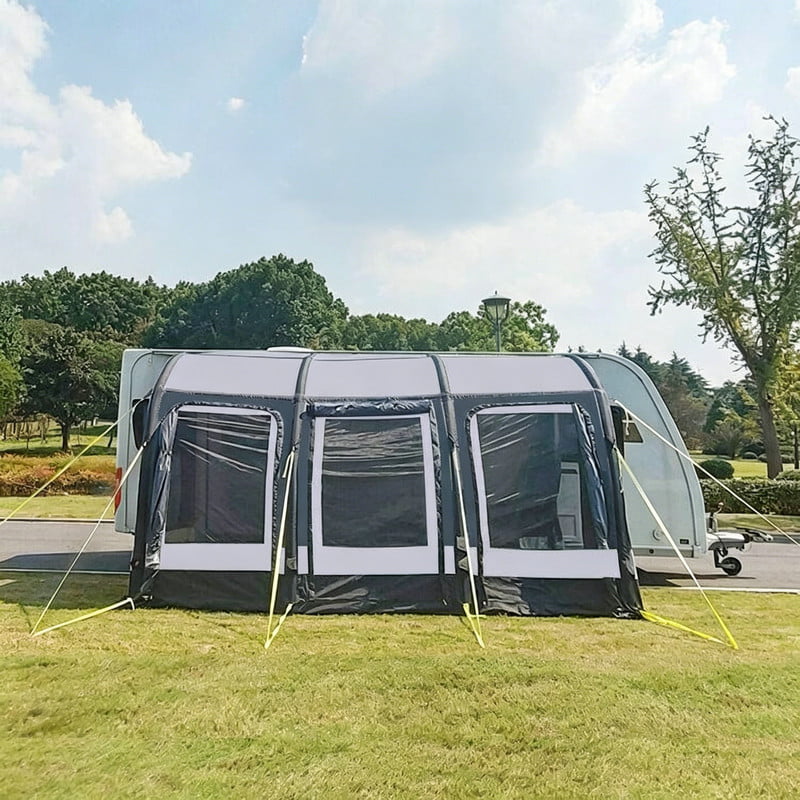
An air beam structure appears in some inflatable car rear awning designs. Air beams cut down the number of hard poles needed and speed up setup, though they demand reliable air valves, solid pressure control, and puncture-resistant fabric.
Ground stakes help secure the shelter to soil or grass. Stake length, angle, and anchor loop strength all shape stability. On hard ground or sand, alternative anchoring solutions often become necessary.
Guy ropes spread wind load away from the shelter and the vehicle connection points. Rope placement should match the roofline, pole structure, awning corners, and wherever the main stress concentrates.
A storm flap protects zippers, seams, vehicle connection gaps, and window openings from wind-driven rain. It also boosts privacy and cuts down on light gaps around the edges.
Common Product Types
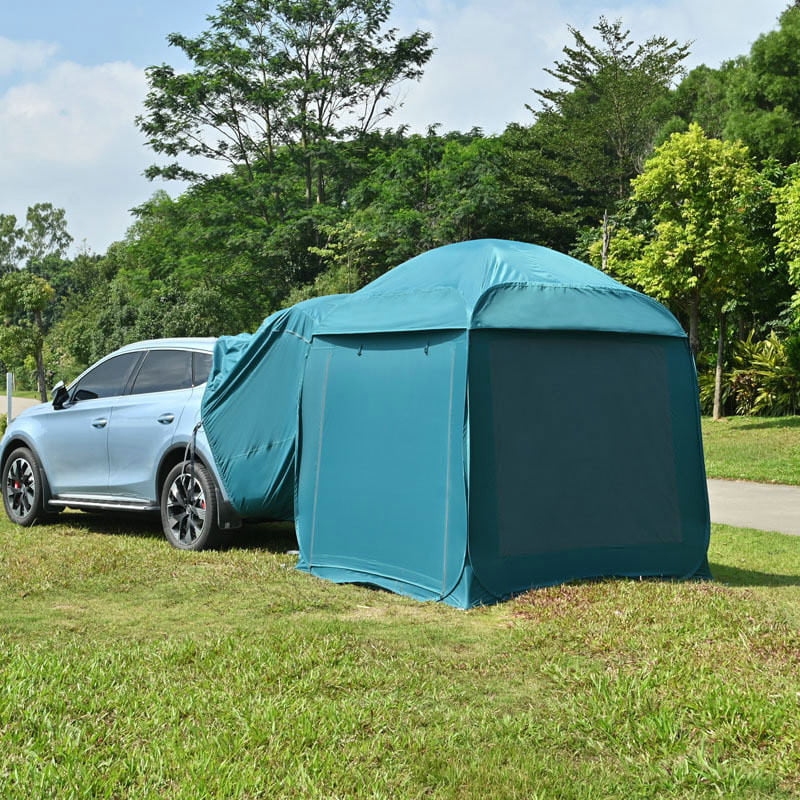
SUV Tailgate Tent
An SUV tailgate tent attaches to the rear of an SUV or hatchback, creating a covered extension behind the open tailgate that supports changing, extended sleeping space, storage, or cooking prep.
This type demands careful rear hatch compatibility, elastic sleeve design, strap positioning, and vehicle seal planning. It suits family camping, road trips, and general vehicle-side outdoor leisure well.
Car Rear Tailgate Awning
A car rear tailgate awning tends to run lighter and more open than a full rear tent. It provides shade and rain coverage around the back of the vehicle without creating a fully enclosed room.
It works well for short stops, beach days, outdoor meals, sporting events, and mobile rest areas. Compact packing and fast setup matter most for this type specifically.
Truck Bed Camping Tent
A truck bed camping tent fits inside or over a pickup truck bed, creating a sleeping shelter that uses the bed itself as the base platform.
Development requires matching bed length, bed width, wheel well position, tailgate layout, and attachment points precisely. Different truck models often need different patterns or adjustable structures to fit properly.
RV Side Awning
An RV side awning extends from the side of an RV, caravan, or trailer, providing a shaded outdoor living space that can pair with walls, mesh panels, or privacy screens.
This type needs stable side mounting, large-span fabric tension, wind management, and practical storage. Bigger awnings demand careful anchoring and thoughtful support pole design.
Inflatable Car Rear Awning
An inflatable car rear awning uses air beam support instead of traditional rigid poles, improving setup convenience and cutting down pole assembly steps.
Key development points include air beam durability, valve quality, pressure retention, fabric reinforcement, repair method, and how efficiently it folds down.
Pop Up SUV Tailgate Tent
A pop-up SUV tailgate tent prioritizes fast deployment above all else, using pre-connected frames or spring structures to cut setup time down considerably.
It suits anyone moving frequently between campsites or needing quick shelter as weather shifts. Folding method, frame recovery, and packing size all need careful testing.
Vehicle Side Awning
A vehicle side awning attaches to the side of cars, SUVs, vans, trucks, RVs, or trailers, creating a canopy for shade, rain protection, cooking, seating, or general outdoor work.
Roof rail fitting, bracket compatibility, pole support, guy ropes, and awning wall options all matter significantly for this product type.
Key Points for Custom Vehicle Tent Manufacturing
Before custom vehicle tent manufacturing gets underway, the development team needs to confirm the target vehicle category first. SUV, hatchback, van, truck, RV, caravan, and trailer structures each demand different connection methods and dimensions entirely.
Connection position needs defining early in the process. Rear hatch connection, roof rail mounting, side awning attachment, truck bed fitting, bumper anchoring, and wheel strap fixation each lead toward different design solutions.
Open size and interior height need to match real-world use. A changing shelter needs standing height, a rear extension shelter needs room for gear and movement, and a truck bed sleeping shelter has to match mattress or sleeping pad placement precisely.
Structure type should get chosen based on setup speed and stability requirements. Options include pole-supported structures, pop-up frames, air beam structures, side canopy systems, and hybrid support setups.
Fabric specification and waterproof level should match the target market's climate. Polyester, Oxford fabric, PU-coated fabric, waterproof fabric, mesh panels, and reinforced stress zones can all combine depending on function.
Support system design carries real weight in the outcome. Poles, air beams, stakes, guy ropes, brackets, straps, and vehicle connection points all need planning together to avoid overloading any single area.
Door and window layout needs to account for airflow, privacy, access, and vehicle doors together. Mesh windows, roll-up panels, zipper doors, removable walls, and awning walls all create flexible use modes worth considering.
Floor structure should follow function. A removable floor suits changing or sleeping needs, while an open floor works better for cooking, muddy shoes, or wet gear storage. Floor attachment should stay easy to clean and pack away.
Color, printed branding, packaging method, carry bag design, accessory set, target climate, and expected use frequency all need defining too. For a custom vehicle tent project, clear drawings, samples, vehicle dimensions, attachment requirements, and functional expectations all help speed up sample development considerably.
Vehicle tail and side tents expand the usable space around SUVs, cars, vans, trucks, RVs, caravans, and trailers. Their real value comes from vehicle fitment, reliable connection, waterproof sealing, wind stability, fast setup, portable storage, and flexible space planning across camping, overland travel, family leisure, events, and mobile outdoor use.
Where vehicle tail and side tent development heads next will likely keep focusing on broader vehicle compatibility, more reliable vehicle connection, more efficient space extension, sturdier waterproof and wind-resistant structures, lighter portable storage, and increasingly refined manufacturing. Getting product development right ultimately comes down to coordinating vehicle geometry, fabric engineering, support systems, sealing details, sample testing, quality inspection, and consistent production — treating it all as one connected process rather than separate pieces solved in isolation.
