


 English
  عربى
عربى 

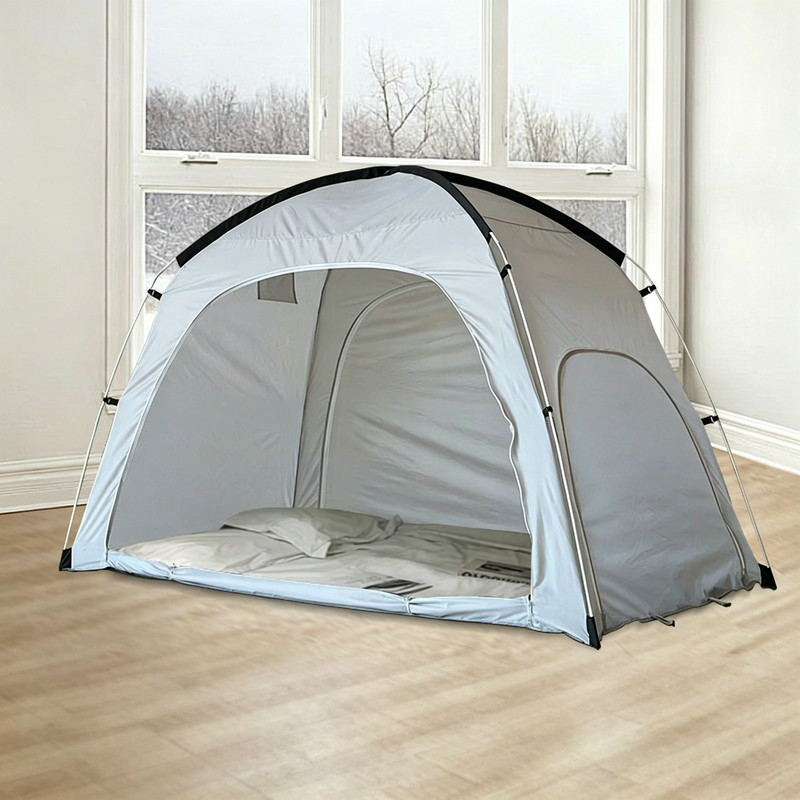


Bed & Indoor Tents: Privacy, Mosquito Protection, and Comfortable Sleep Space Design
Bed and indoor tents belong to a category of lightweight indoor shelter products built around one goal — turning a bed or sleeping area into something more private, more protected, and genuinely more comfortable. Unlike outdoor camping tents, these live entirely indoors — in homes, dormitories, shared living spaces, kids' rooms, care facilities, temporary rest areas, and similar indoor settings. For home product brands, retail teams, dormitory suppliers, sleep product developers, and anyone working on indoor soft-structure gear, getting familiar with the structure, fabric choices, ventilation logic, privacy design, mosquito protection, insulation options, and manufacturing checkpoints behind bed and indoor tents matters a great deal for building something that actually works in the real world.
What Is a Bed & Indoor Tent?
A bed or indoor tent is a lightweight enclosed or semi-enclosed structure that sits directly on a bed, wraps around a mattress, or stands somewhere within an indoor room. Its core purpose is carving out a defined sleeping zone that offers privacy, mosquito protection, airflow, some light shielding, and a degree of temperature control.
Products in this space go by several names — indoor bed tent, bed tent, mosquito-proof sleeping tent, privacy bed tent, indoor sleeping tent, breathable bed tent, insulated bed tent, portable bed tent, and foldable indoor tent. Structure, materials, opening style, and functional emphasis all vary between them, but the shared aim stays consistent: making indoor rest genuinely better. 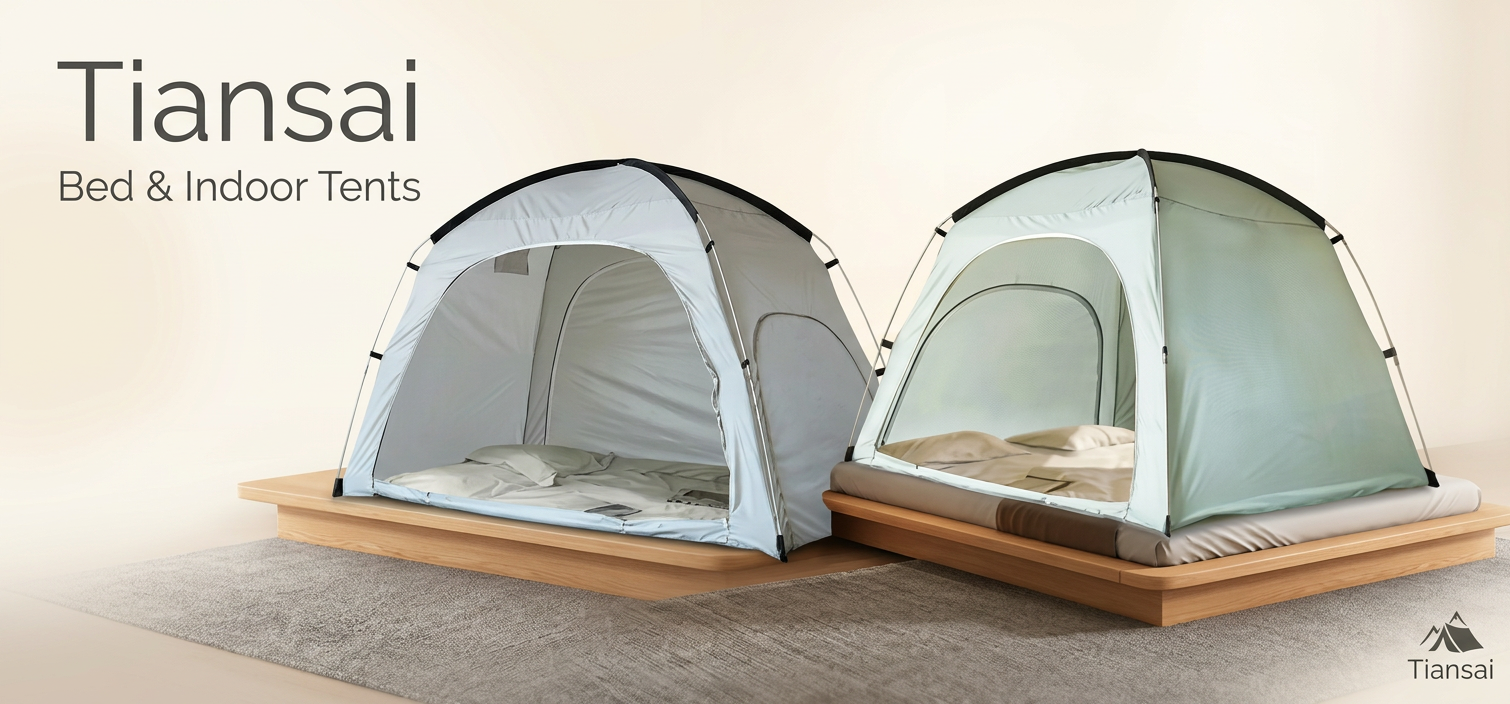
A bed tent isn't the same thing as a plain mosquito net. A net mostly handles insect protection and little else, while an indoor bed tent typically brings together privacy, shading, breathable panels, zippered doors, storage pockets, and a self-supporting frame all in one product. Some versions even add insulated fabric to help retain warmth in colder indoor spaces.
From a development standpoint, bed and indoor tents sit at the intersection of textile engineering, soft shelter structure, sleep comfort, and everyday convenience. Good design means balancing enclosure against ventilation, privacy against safety, stability against foldability, and comfort against how compactly the thing packs away.
Where Are Bed & Indoor Tents Used?
Bed and indoor tents suit family bedrooms well whenever someone wants a more private, clearly defined sleeping area. They help cut down visual distractions, build a cozier rest zone, and offer mosquito protection during warmer months. For kids specifically, an indoor sleeping tent can make bedtime feel more secure and give the whole routine a bit more structure.
Student dormitories represent another major use case. Shared rooms rarely offer much privacy, and a privacy bed tent lets someone carve out a personal sleeping boundary without touching the room's actual layout — genuinely useful in bunk beds, shared apartments, campus housing, and other tight living quarters.
Employee dormitories and shared accommodation setups benefit similarly from bed tent products. Wherever multiple people share a sleeping space, a bed tent cuts down visual exposure and supports more restful sleep overall. Breathable mesh windows and smooth-operating zipper doors matter a lot in these environments specifically.
Hotels, temporary indoor rest spots, and short-stay facilities sometimes turn to portable bed tent solutions to create flexible privacy or sleep zones on demand. These come in handy whenever a room needs to divide space without installing permanent partitions.
Children's rooms, care facilities, and indoor recovery spaces can all benefit from bed and indoor tents creating a quiet, protected environment. For these settings especially, material safety, structural stability, soft edges, easy entry, and solid ventilation all deserve careful thought before anything else.
Core Functions of Indoor Bed Tents
Privacy stands as the first core function a bed tent delivers. In shared spaces, a covered bed area gives someone a real visual boundary and a stronger sense of personal territory — a genuine comfort boost in dormitories, shared bedrooms, and open living arrangements.
Mosquito protection ranks right alongside it in importance. A mosquito-proof sleeping tent relies on mosquito mesh to cut down insect entry while still letting air pass through freely. Mesh density, seam quality, zipper closure, and how well the bottom edge seals all shape how well that protection actually holds up.
Ventilation is essential to making indoor sleep comfortable at all. A fully enclosed space turns stuffy fast without airflow planned in from the start. A breathable bed tent needs mesh windows, breathable fabric, adjustable openings, or ventilation built into the top to keep air actually circulating.
Light control matters too. Plenty of people choose an indoor bed tent specifically to dim the visual brightness coming from room lights, screens, or general household activity nearby. Fabric opacity, how much the door covers, and window placement all shape how effective that shading turns out.
Insulation earns its place in colder rooms. An insulated bed tent might use thicker fabric or layered material to help hold warmth around the sleeping area — though that insulation needs balancing against airflow, or moisture buildup and discomfort creep in fast.
Beyond the obvious, indoor bed tents help cut down dust exposure, establish a clearer sleeping boundary, and genuinely improve the psychological sense of comfort during rest. For a lot of people, this isn't just a physical cover — it becomes a small personal sleep environment they can call their own.
Structural and Material Design Points
Fabric choice sits at the center of how well any bed tent actually performs. Breathable fabric suits anyone who prioritizes airflow and comfort above all — it cuts stuffiness while still delivering that sense of enclosure people are looking for. Breathability matters especially for anyone using the tent through full nights on a regular basis.
Common Fabric, Mesh, and Frame Elements
Mosquito mesh handles insect protection and airflow together. The density needs to sit in a sweet spot — fine enough to keep mosquitoes out, but not so tight that it chokes air circulation. Too dense, and airflow suffers; too open, and insect protection weakens noticeably.
Polyester fabric shows up constantly in indoor bed tent products thanks to its dimensional stability, light weight, and how well it works with sewing and coating processes. It handles walls, doors, roof panels, and storage details equally well across the board.
Insulated fabric fits products built for colder rooms or winter use specifically. It boosts warmth retention and creates a cozier, more enclosed feel — though an insulated bed tent still needs adjustable ventilation built in to keep comfort intact over longer stretches of use.
Frame structure shapes both how easy setup is and how stable the final product feels. Fiberglass poles stay lightweight and flexible, making them a natural fit for many foldable indoor tent designs. Steel wire frames show up often in pop-up or self-expanding structures, since they support fast setup and compact folding without much hassle.
A zipper door counts among the most-used parts of any bed tent. It needs to glide smoothly, avoid snagging fabric, and close reliably every time. Door size and which way it opens should match the bed's layout and how the user actually needs to move in and out.
Mesh windows shape both airflow and visibility. They can sit on side panels, top panels, or door sections depending on the design. Where they go should account for sleeping position, which side the pillow sits on, the room's natural airflow direction, and how much privacy the user actually wants.
A storage pocket adds real practical value for indoor use. People tend to tuck away phones, glasses, earphones, small books, or other sleep essentials right inside the tent. Pocket placement needs to stay within easy reach without creating discomfort while someone's trying to sleep.
A foldable structure improves storage and portability considerably. Plenty of users need to set the product up, take it down, or move it between rooms fairly often. Folding logic, how big the packing bag is, how the poles connect, and how well the fabric bounces back after folding all shape the overall experience.
Ventilation, Mosquito Protection, and Sleep Comfort
Indoor bed tents live or die by how well they balance enclosure against airflow. A design that feels private but skips proper ventilation turns uncomfortable fast once someone's actually trying to sleep in it. Go too open, though, and privacy suffers along with mosquito protection. The best designs land somewhere stable in the middle rather than chasing one extreme.
Mesh density counts among the most important details to get right. Fine mesh boosts mosquito protection, but it shouldn't come at the cost of blocking too much airflow. For a mosquito-proof sleeping tent specifically, mesh choice needs testing alongside door closure and seam construction together — not in isolation.
Window layout shapes how air actually moves through the space. Side mesh windows support cross-ventilation nicely, while top vents help warm air escape upward and out. If the tent's going on a bunk bed or pushed against a wall, window placement needs adjusting to keep air actually moving despite the tighter setup.
Door style affects comfort just as much. Some bed tents use front-opening doors, others go with side doors or double openings. Whatever the style, a zippered door needs to allow easy entry and exit without forcing awkward bending or disturbing the whole structure every time someone gets in or out.
Top ventilation proves genuinely useful for overnight use. Warm air and moisture from simply breathing tend to collect near the top of an enclosed space over the course of a night. A top mesh panel or adjustable vent goes a long way toward keeping sleep comfortable through to morning.
Fabric breathability should match whatever the product's actually trying to do. A privacy bed tent might lean on more opaque fabric for stronger visual shielding, while a breathable bed tent leans toward more mesh and lighter fabric instead. An insulated bed tent can use layered fabric, but it still needs enough adjustable openings built in to stay livable.
Comfort also comes down to internal height. Too low, and users feel cramped and restricted. Too high, and the structure risks losing stability or simply not fitting well on a bunk bed. Height needs to match mattress thickness, bed frame type, and who the product's actually designed for.
Frequently Asked Questions
1. What is the difference between an Indoor Bed Tent and a regular mosquito net?
A regular mosquito net focuses almost entirely on insect protection. An indoor bed tent goes further, combining mosquito protection with privacy, light shielding, ventilation, zippered doors, storage pockets, and a self-supporting or foldable frame — creating a much more defined indoor sleeping space overall.
2. Where is a Privacy Bed Tent commonly used?
A privacy bed tent shows up frequently in student dormitories, employee dormitories, shared bedrooms, children's rooms, temporary rest areas, and compact living spaces generally. It helps establish a personal sleep boundary within open or shared environments where privacy is otherwise hard to come by.
3. How should mosquito mesh be selected for a Mosquito-Proof Sleeping Tent?
Mosquito mesh needs to balance density, airflow, softness, and durability all at once. Fine mesh cuts down insect entry, but the overall design still needs to allow air to circulate freely. Zipper closure, seam quality, and how well the bottom edge fits also play into mosquito protection.
4. What are the features of an Insulated Bed Tent?
An insulated bed tent relies on thicker or layered fabric to help hold warmth in colder rooms. It creates a cozier sleeping environment overall, but it needs adjustable ventilation built in too, or stuffiness and moisture buildup start working against the comfort it's meant to provide.
5. Is a Foldable Indoor Tent easy to install and store?
A foldable indoor tent is built specifically for convenient setup and storage. How well that actually works in practice comes down to frame design, the folding path, how the fabric recovers after folding, packing bag size, and how clear the instructions are. Sample testing should always include repeated setup and folding checks.
6. What parameters are needed to develop a Bed Tent sample?
Key parameters include mattress size, bed type, open size, inner height, entrance position, door style, fabric type, mesh specification, support structure, color, printed branding, packaging method, target use scenario, and specific functional requirements.
7. Can a Breathable Bed Tent also provide privacy?
Yes — a breathable bed tent can deliver genuine privacy by pairing opaque fabric panels with mesh windows or adjustable vents. Good design balances visual shielding against airflow rather than leaning entirely on fully closed fabric walls that sacrifice ventilation.
8. What frame materials are common in Portable Bed Tent products?
Common frame options include fiberglass poles, steel wire frame systems, elastic frames, and lightweight support rods. The right choice depends on product size, how foldable it needs to be, stability requirements, packing constraints, and how the product will actually get installed.
Bed and indoor tents build private, protected, and genuinely comfortable sleeping spaces across bedrooms, dormitories, shared housing, children's rooms, care facilities, hotels, and temporary indoor rest areas. Their real value comes from balancing privacy, mosquito protection, ventilation, sleep comfort, light control, portability, and safe indoor use all together — not favoring any single factor at the expense of the rest.
Where bed and indoor tent development heads next will likely keep focusing on more comfortable private sleep spaces, sturdier lightweight structures, a better balance between mosquito protection and airflow, easier storage solutions, and increasingly refined manufacturing. Getting product development right ultimately means coordinating fabric selection, mesh specification, frame engineering, opening design, sewing quality, sample testing, packaging, and consistent production — treating all of it as one connected process rather than separate pieces solved in isolation.
