


 English
  عربى
عربى 

Ultralight Backpacking Tent
Product Category
Contact us
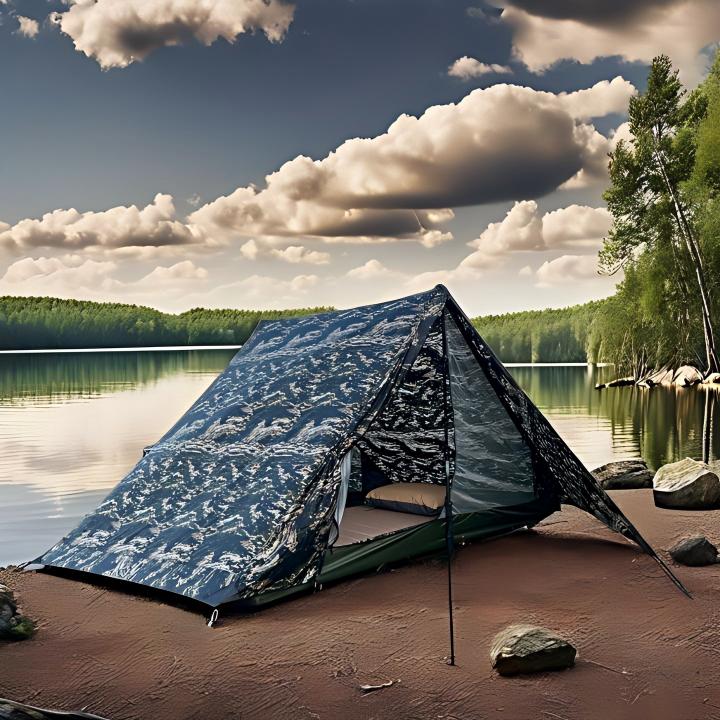
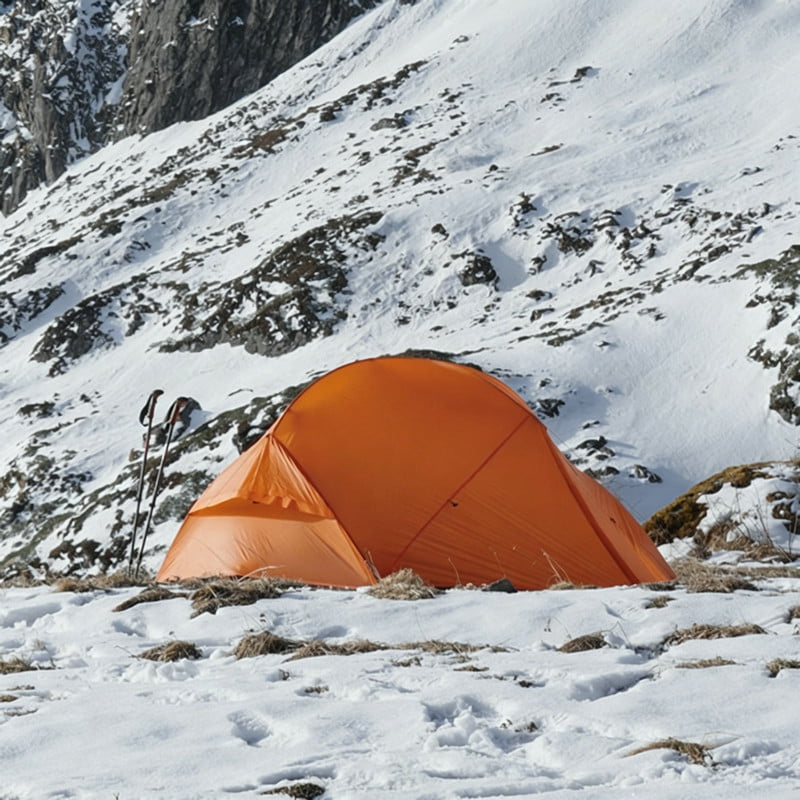
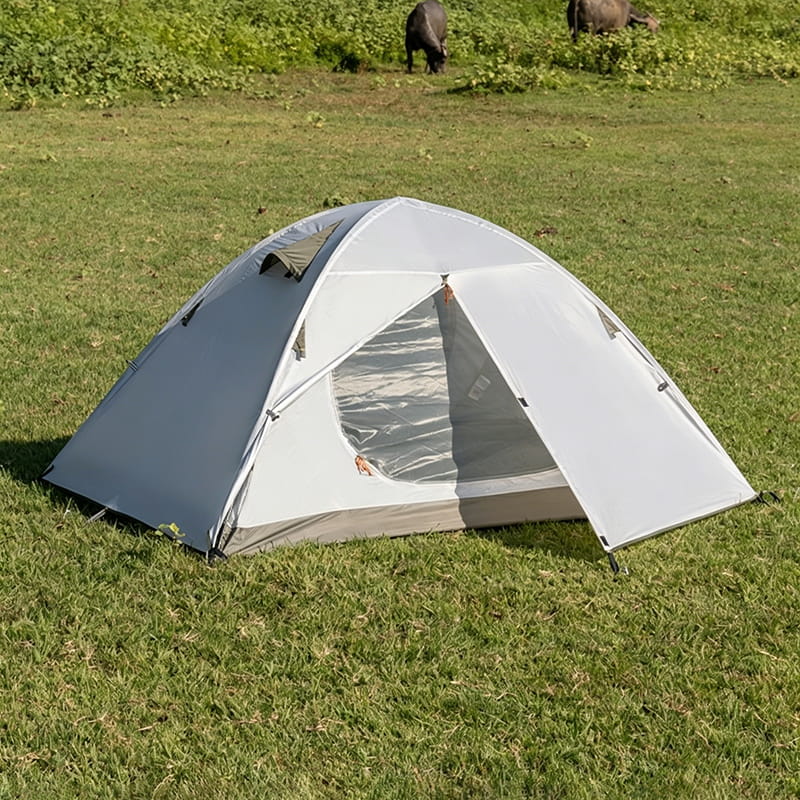
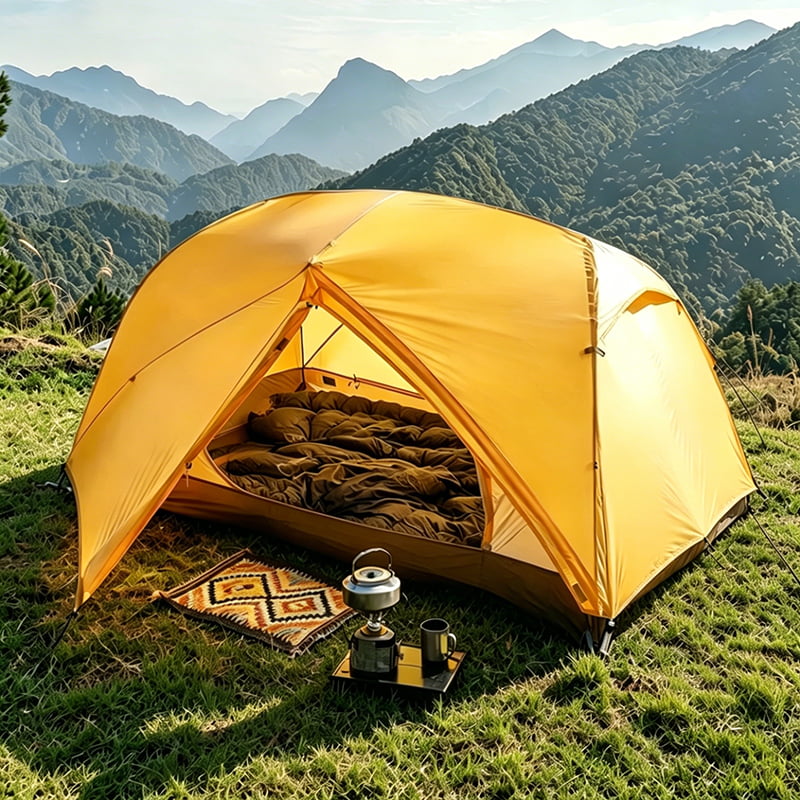
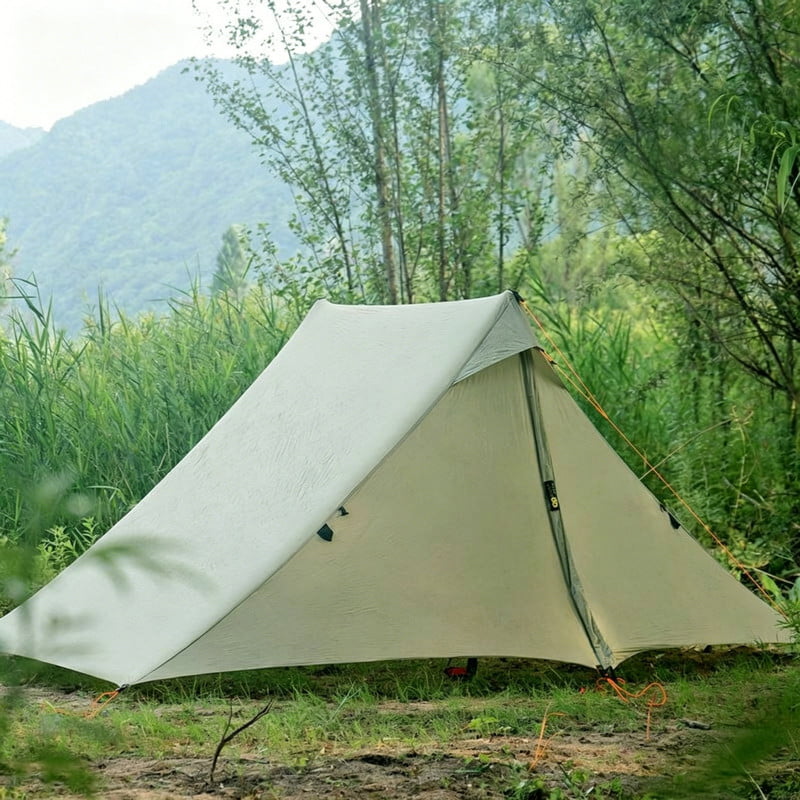
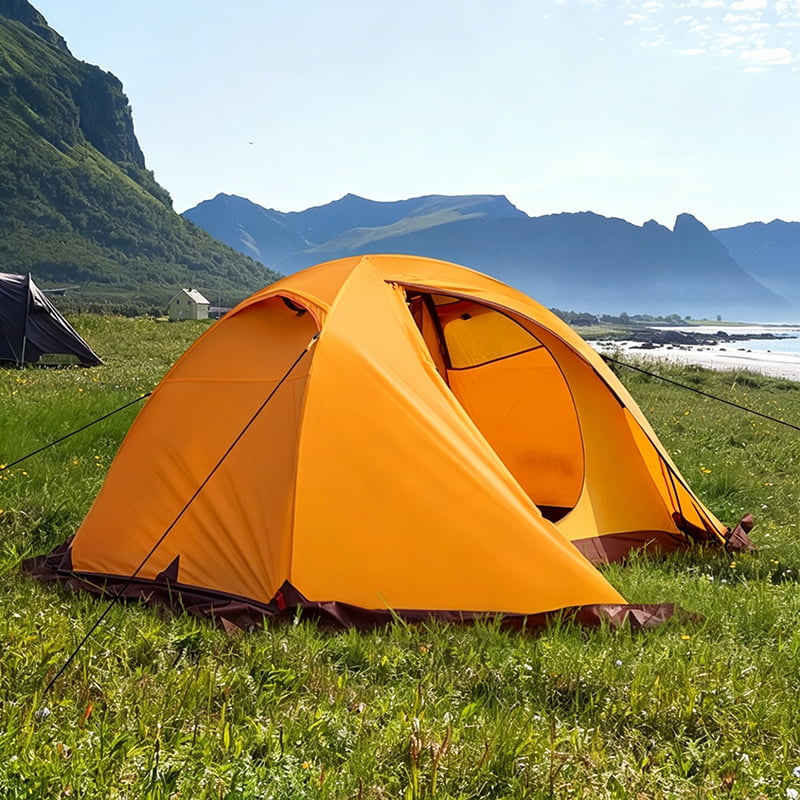
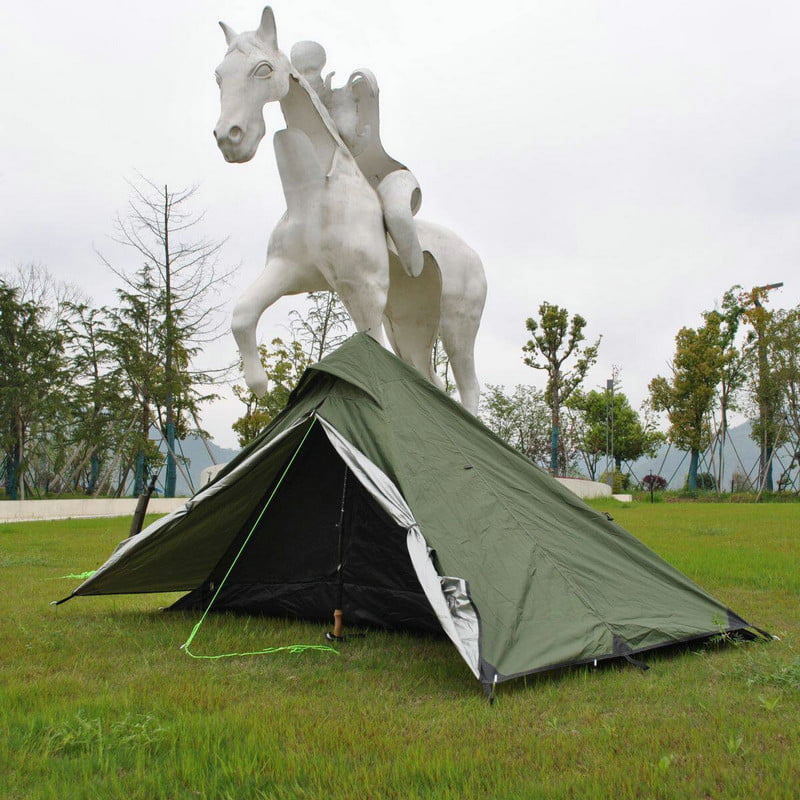
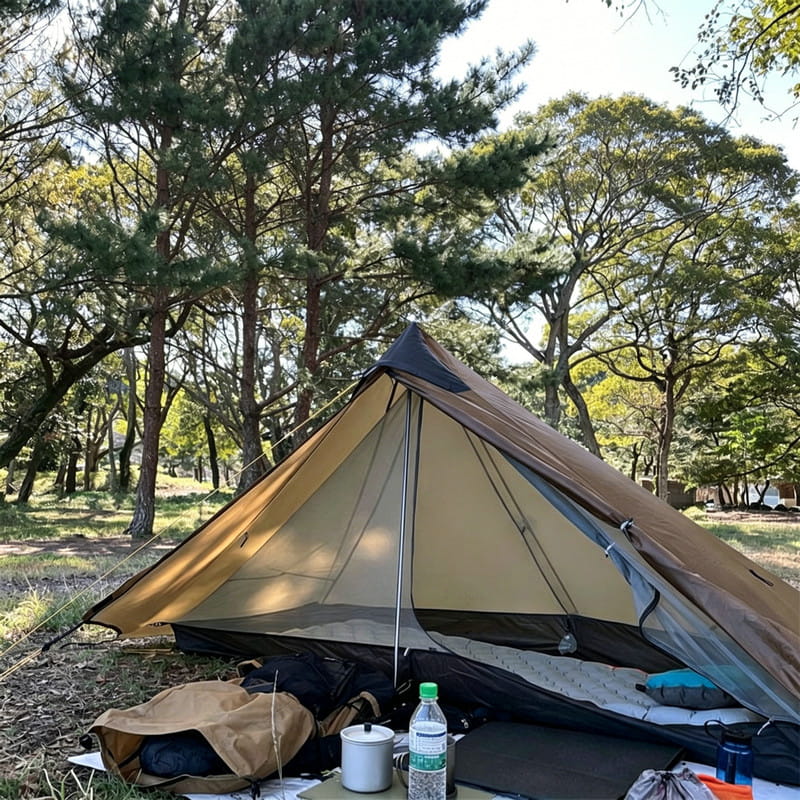
This ultralight tent is designed for backpackers, hikers, and mountaineers, combining high-performance waterproof materials with optimized structural design to minimize pack weight while providing reliable protection, making long-distance hiking, camping, or alpine adventures easier, safer, and more comfortable.
Tiansai specializes in OEM and custom manufacturing of ultralight and lightweight tents, providing outdoor brands with fully tailored solutions for material selection, weight optimization, structural design, and performance specifications. From minimalist single-person tents to lightweight multi-person backpacking tents, our production capabilities ensure exceptional durability, reliable wind and rain protection, and consistent quality in even the most demanding outdoor environments.
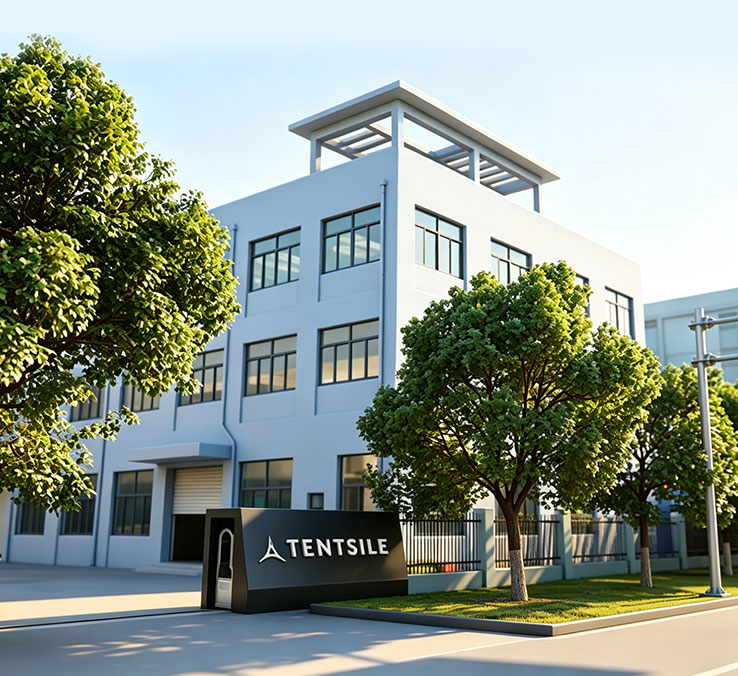
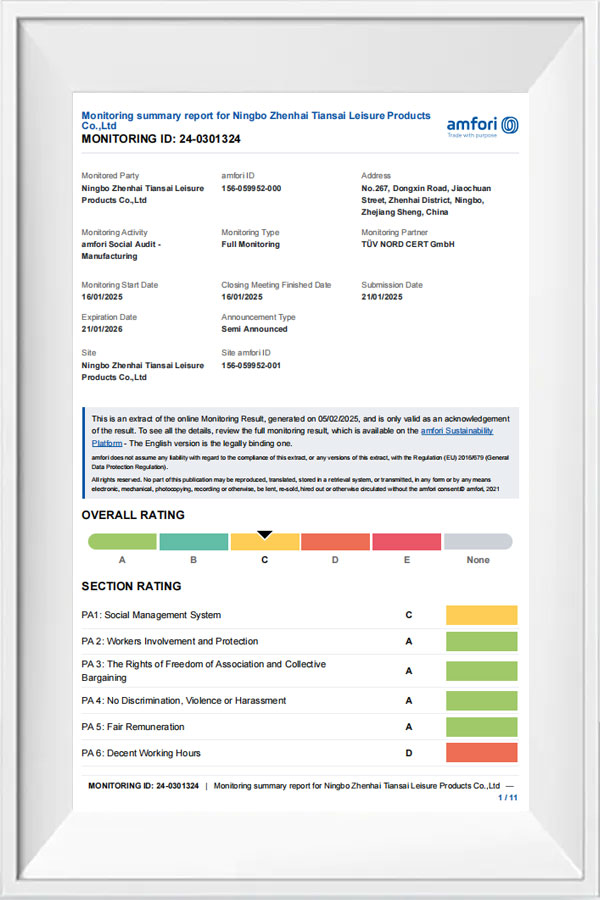
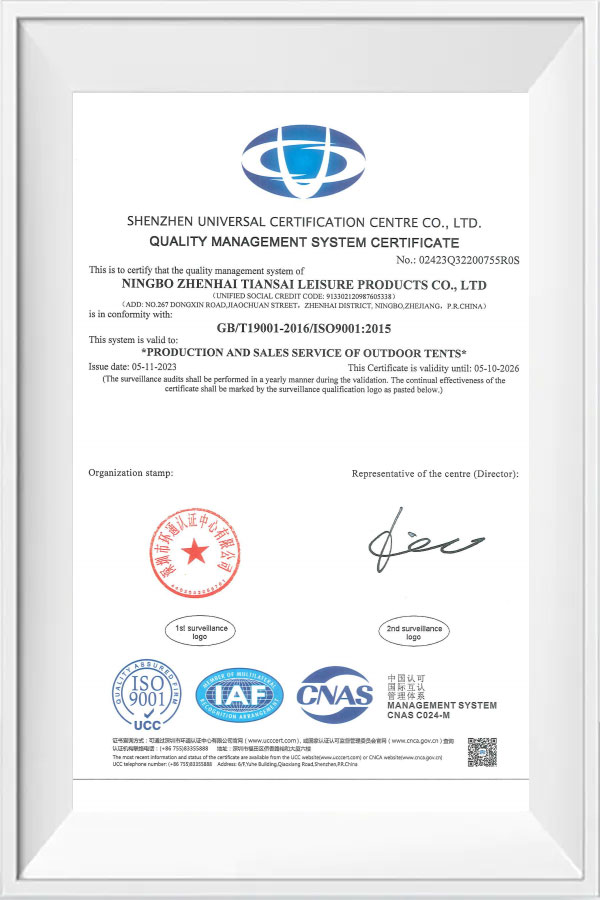
Ningbo Zhenhai Tiansai Leisure Products Co., Ltd. is a well-known brand enterprise specializing in the design, production and sales of 4 season Ultralight Tent. Headquartered in Zhenhai District, Ningbo City, Zhejiang Province, the China Ultralight Backpacking Tent manufacturer & supplier has a covering an area of over 13,000 square meters. Leveraging Ningbo's geographical advantage as an important port city, the company's products are exported to many countries and regions around the world.
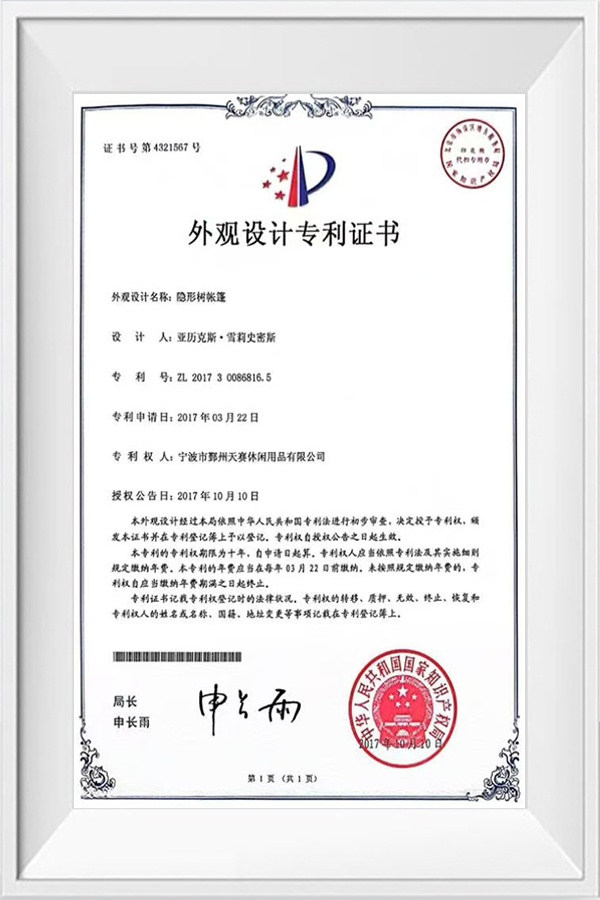
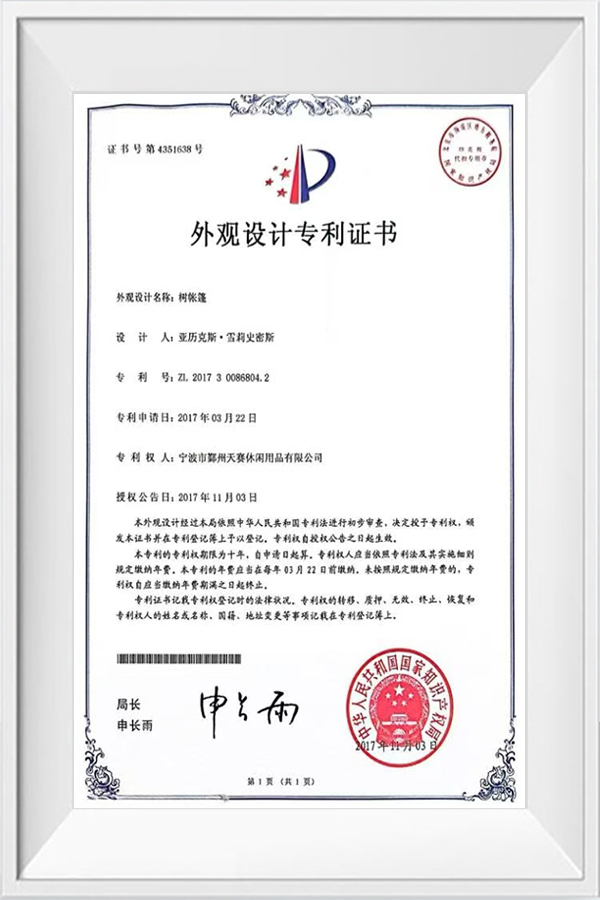
Since its establishment, Tiansai Leisure has become the sole global designated supplier of the British company TENTSILE, and has successfully designed and obtained a number of appearance patents and utility model patents. With excellent quality and outstanding performance, its products have won wide recognition and popularity in North America, Europe, Asia and other regions.
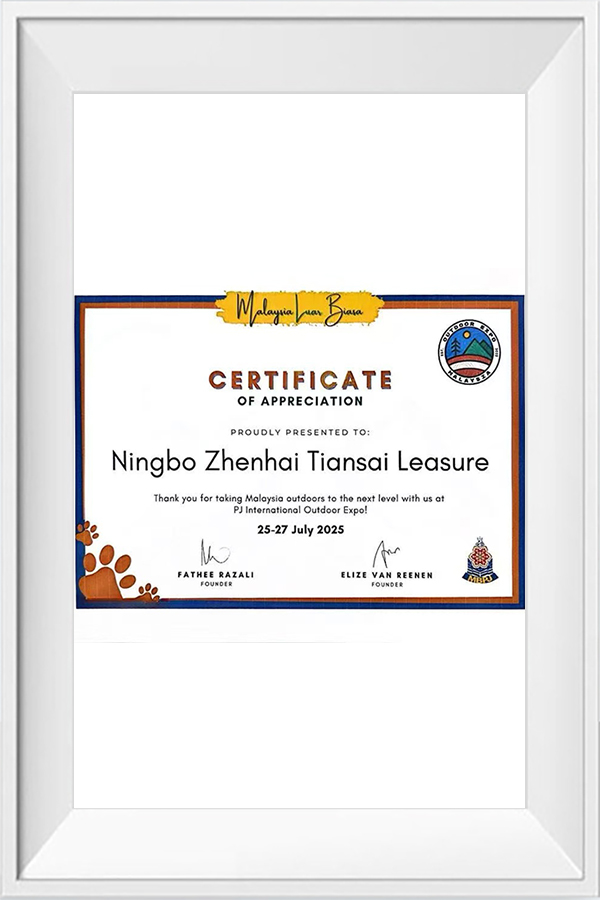
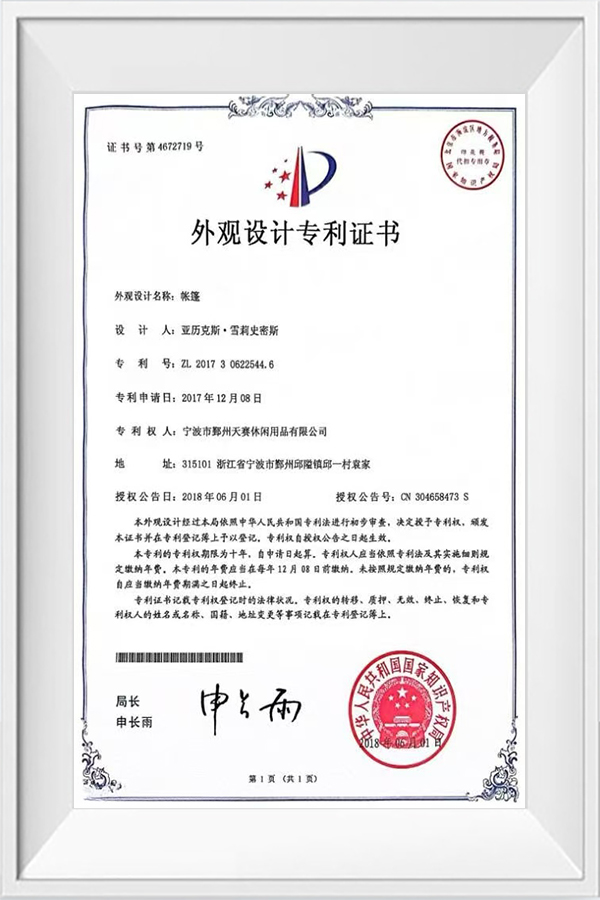
Our Updates
Ultralight Backpacking Tent: How Structure, Material, and Manufacturing Decisions Shape a Lightweight Shelter
An ultralight backpacking tent sits at the core of the lightweight outdoor gear category — built for hiking, mountaineering, long-distance trekking, bikepacking, wilderness camping, high-altitude routes, and any mobile camp scenario where every extra gram gets noticed on the trail. It's tempting to think of these tents as just thinner, smaller versions of a standard camping tent, but that misses what actually makes them work. Their real value comes from how well they balance several competing demands at once: carrying weight, setup speed, waterproof and wind performance, usable interior space, packed size, and how long they hold up in the field. For anyone evaluating product direction, market fit, or manufacturing feasibility in this space, understanding that underlying design logic isn't optional — it's the foundation everything else builds on.
What Is an Ultralight Backpacking Tent?
At its core, an ultralight backpacking tent is a shelter system built for people who carry their gear across long distances rather than driving it to a campsite. Its job stays simple on paper — block rain, wind, insects, and ground moisture — while keeping total packed weight and volume as low as the design will reasonably allow.
Terminology in this space tends to overlap. "Ultralight tent" puts the emphasis squarely on total weight. "Ultralight backpacking tent" leans into how the shelter performs when strapped to a pack. "Lightweight hiking tent" often casts a wider net, covering everything from serious trekking to weekend camping and multi-day trail use.
The priorities shift entirely once you compare this to a standard camping tent. A regular tent chases standing height, family-sized comfort, roomy living space, and campsite convenience. An ultralight tent chases something different — the ratio between weight and protection, essentially asking how much weather resistance, sleeping room, and structural stability can be squeezed out of a limited weight budget.
Structure and seasonality split this category further into freestanding backpacking tents, rodless backpacking tents, double-wall designs, single-wall shelters, and four-season ultralight tents. Each serves a distinct use case — freestanding structures handle difficult ground with ease, rodless tents shave weight by ditching dedicated poles, and four-season builds trade some of that weight savings for stronger wind resistance and cold-weather reliability.
Outdoor Applications for Ultralight Tents
Long-distance hiking is where ultralight backpacking tents prove their worth most clearly. Across multi-day trails, every ounce of tent weight compounds into real fatigue, and packing efficiency starts mattering as much as comfort at camp. What works best here combines low packed weight, a compact stored size, quick pitching, dependable rain protection, and enough airflow to make overnight stays bearable.
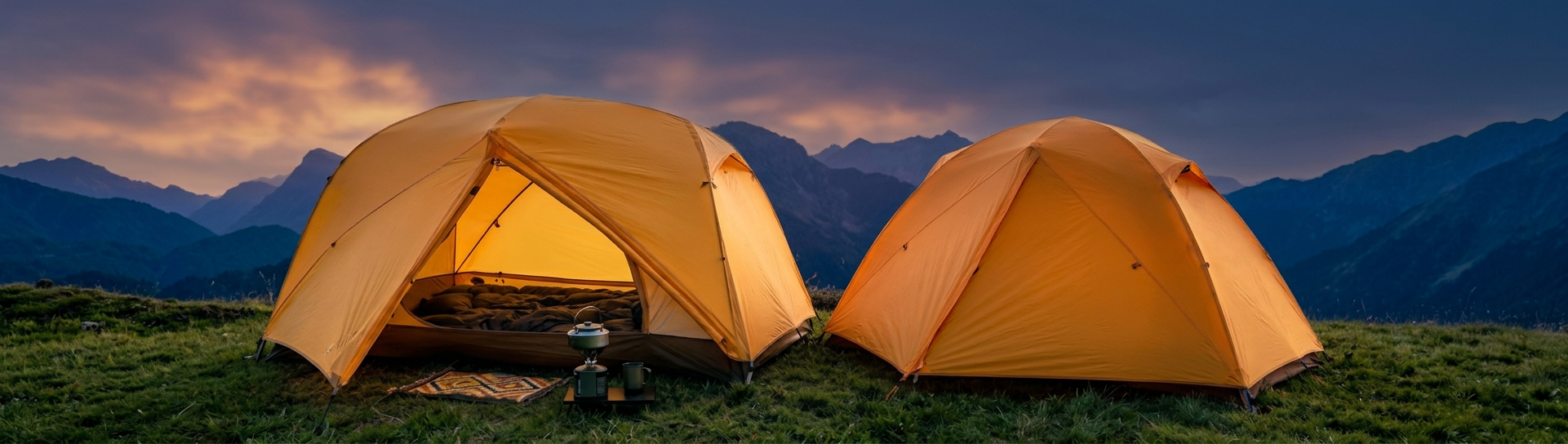
Mountaineering and alpine trekking demand more from structural reliability. Mountain weather doesn't give much warning — wind picks up, temperatures drop, rain turns to snow, and the ground underneath rarely cooperates. A tent built for this needs stable pole geometry, a wind-shedding low profile, reinforced guyline attachment points, and a floor that won't give up under pressure.
Bikepacking and lightweight camping bring a different constraint into focus: packing dimensions. Cyclists need their tent to actually fit into frame bags, panniers, handlebar rolls, or waterproof dry bags, which makes pole section length, stuff sack shape, compressibility, and total packed volume every bit as important as raw weight.
Solo trips and two-person trips call for different space planning entirely. A solo tent can chase minimal weight and the smallest possible footprint, while a two-person ultralight tent has to juggle sleeping width, storage for two sets of gear, door access, and ventilation simultaneously. For anyone pitching and packing daily on a mobile camp, setup logic and how few components there are to fumble with become just as critical as anything else on the spec sheet.
Lightweight Design Is Not Just About Reducing Weight
Designing an ultralight tent isn't a matter of grabbing thinner fabric and stripping off accessories until the scale reads lower. It's still a shelter meant to protect someone from real weather, so shaving weight can't come at the cost of the safety margin needed against rain, wind, ground abrasion, repeated pitching, and long-term wear.
A long list of components feeds into total tent weight — fabric denier, coating type, pole material, how many poles, peg layout, guyline system, zipper size, webbing width, buckles, repair parts, the storage sack, even the packaging itself. Change one of these and you're not just adjusting weight; you're potentially shifting usability, manufacturing difficulty, and how long the tent survives in the field.
There's always a trade-off lurking somewhere. Thinner fabric drops grams and packs smaller, but it demands tighter control over sewing tension, coating quality, tear resistance, and seam processing. A smaller vestibule saves weight but eats into space for shoes, packs, or wet gear. Fewer pegs simplify packing but can compromise stability on an exposed site.
From a manufacturing standpoint, building a reliable ultralight tent is a systems problem, not a materials problem. It touches structural design, fabric selection, sample testing, coating compatibility, seam construction, pole matching, packing assessment, and setup inspection under field-like conditions. No single lightweight material makes a tent good — it's the coordination across the entire build that does.
Common Structures of Ultralight Tents
Different structures serve different users and different terrain. Structure choice ripples into weight, stability, interior space, how the tent goes up, wind behavior, and how complicated the whole thing is to manufacture.
A freestanding tent can largely stand on its own thanks to its pole system — genuinely useful on rocky ground, wooden platforms, hard-packed soil, sand, or anywhere stakes just won't hold. This structure tends to be forgiving for users and remains a solid seller across the backpacking market.
Manufacturing this well comes down to pole curvature, hub accuracy, hook placement, sleeve dimensions, fabric tension, and corner reinforcement. Get the pole geometry even slightly wrong, and the tent pitches unevenly or leaves loose, flapping areas on the fly.
Semi-freestanding designs let poles carry the main body's weight, but still need stakes to fully tension the foot end, vestibule, or side panels. It's a genuinely practical middle ground between shedding weight and keeping setup simple.
Lighter than most full freestanding builds, this structure leans harder on correct staking to perform. Factory teams need to watch stake-out angles, floor tension, how much coverage the fly provides, and the gap maintained between inner tent and outer fly — all of which feed directly into waterproofing, condensation control, and how much usable sleeping space actually exists.
Rodless tents typically lean on trekking poles, external supports, or guylines instead of dedicated tent poles — the main payoff being weight savings, which is exactly why experienced ultralight hikers and long-distance trekkers gravitate toward this category.
The catch is that rodless designs punish poor pitching technique and difficult ground more than other structures. Manufacturing has to focus tightly on panel geometry, reinforced stress points, door tension, vestibule structure, and setup tolerance. Get the cutting angle or tie-out placement wrong, and the shelter becomes genuinely hard to pitch correctly.
Dome structures spread force efficiently and deliver balanced interior space, which explains why they show up so often across one-, two-, and three-person backpacking tents. They're generally intuitive to pitch and perform reliably once the poles cross correctly and guylines do their job.
Production consistency matters here — pole length, sleeve size, clip placement, and how the fly gets shaped all need to stay uniform, or you end up with asymmetric interior space, loose fabric, or uneven tension across the build.
Tunnel structures rely on a series of arched poles to open up efficient lengthwise space, often delivering strong weight-to-volume performance for narrow sleeping layouts or low-profile shelters.
These need stakes and guylines to hold their shape, which makes them better suited to ground where pegs actually grip. Manufacturing has to pay close attention to arch spacing, flysheet tension, reinforced end panels, ventilation placement, and how the structure handles wind from the front.
A double-wall design pairs an outer flysheet with an inner tent — the fly handles rain and wind, while the inner layer provides breathable sleeping space, insect protection, and separation from any condensation forming on the fly.
Double-wall ultralight tents tend to win out in humid, rainy, or unpredictable climates. They generally weigh more than single-wall alternatives, but the comfort and condensation control they offer usually justify the extra grams.
Single-wall tents fold weather protection and shelter structure into one fabric layer, making them lighter and quicker to pitch — a good match for dry, cold, or fast-moving alpine conditions.
Condensation is the real challenge here. Without careful vent placement, the right breathable fabric, and thoughtful airflow planning, interior moisture builds up on the tent wall fast. Single-wall development lives or dies on how well ventilation and comfort get handled together.
How Fabric and Coating Determine Tent Performance
Fabric selection reaches into weight, tear resistance, abrasion resistance, waterproofing, hand feel, packed size, and where the product ultimately sits in the market. Ultralight tents commonly draw from 20D ripstop nylon, 15D nylon, 210T polyester, lightweight polyester, and various coated technical fabrics.
15D nylon gets chosen when minimal weight and the smallest possible packed size top the priority list. It works well in advanced ultralight designs, but the thinness demands careful handling across coating, cutting, sewing, and seam construction — manufacturing consistency matters more here than almost anywhere else.
20D ripstop nylon shows up constantly in ultralight flysheets and inner components. Its grid structure resists tear propagation while keeping weight reasonably low, striking a practical balance between lightweight performance and field durability.
210T polyester remains common across outdoor tents generally. It holds its dimensions more reliably than nylon when wet and tends to process consistently in manufacturing. It runs heavier than thin nylon fabrics, but for lightweight hiking tents where durability, cost, and production stability matter, it still earns its place.
Coating type shifts performance again. PU coating pairs well with seam-taped construction, making consistent waterproof seams achievable. A PU3000mm waterproof rating, combined with proper seam taping and structural drainage, tends to suit most three-season hiking tents just fine.
Silicone coating improves flexibility, water shedding, and tear strength, and shows up frequently in lightweight or technical shelters. It does demand different seam-handling methods, though — standard seam taping doesn't behave the same way on silicone-coated fabric as it does on PU-coated material.
The floor deserves its own attention entirely. A waterproof floor has to resist ground moisture, pressure, friction, stones, and repeated folding, which is why floor fabrics often get higher abrasion resistance or stronger coatings than the flysheet. Breathability matters just as much inside the tent, which is where mesh panels earn their place — improving airflow and keeping insects out simultaneously.
Manufacturing Points for Waterproofing, Wind Resistance, and Ventilation
Judging waterproof performance by flysheet hydrostatic head rating alone misses most of the picture. Real-world rain performance depends on flysheet rating, floor rating, seam taping, zipper flap design, vestibule drainage angle, floor wall height, and how tight the pitch actually is.
The floor typically needs a higher waterproof margin than the flysheet, simply because body weight and gear pressure push the fabric directly against wet ground. In multi-day treks or genuinely wet climates, floor coating durability and base fabric abrasion resistance become critical rather than nice-to-have.
Seam taping is where PU-coated tents live or die manufacturing-wise. Stitching punches needle holes through the fabric, and tape is what keeps water from finding its way through them. Tape temperature, pressure, width, bonding time, and seam flatness all need tight control — poorly applied tape wrinkles, peels, or simply fails once the tent sees real use.
Wind resistance comes down to pole geometry, guyline attachment points, stake layout, tent height, flysheet tension, and overall shape. A lower profile sheds wind better but eats into headroom and comfort — and guyline points need to follow the structure's actual load path rather than getting placed arbitrarily.
Ventilation drives both comfort and condensation control. The gap between inner tent and flysheet, vent positioning, door opening method, mesh area, and top exhaust design all shape how air actually moves through the shelter. Restrict that airflow, and moisture from breathing plus ground humidity starts collecting inside fast.
None of these three — waterproofing, wind resistance, ventilation — can really be designed in isolation. Seal a tent too tightly and it traps moisture even while blocking wind and rain effectively. Open it up too much for airflow and rain protection weakens if the openings aren't shaped carefully. A well-developed ultralight tent has to match all three systems to its target season, climate, and actual use environment.
Differences Among 1-Person, 2-Person, and 3-Person Ultralight Tents
Capacity changes far more than sleeping width — it reshapes pole strength, vestibule layout, floor dimensions, entrance design, interior height, ventilation area, and how the whole thing packs down. Each capacity tier follows its own development logic.
| Capacity | Main Focus | Typical Use | Manufacturing Focus |
| 1-Person Ultralight Tent | Minimal weight, compact packing, fast setup | Solo hiking, bikepacking, long-distance trekking | Fabric weight, pole count, vestibule size, compression storage |
| 2-Person Ultralight Tent | Balance of space and weight | Two-person backpacking, lightweight camping, multi-day routes | Dual doors, dual vestibules, floor width, pole stability |
| 3-Person Ultralight Tent | More sleeping space and comfort | Family lightweight camping, small trekking groups | Pole strength, flysheet tension, ventilation area, packed volume |
A 1-person ultralight tent chases minimal packed volume and fast setup above almost everything else. That often means a smaller vestibule, fewer poles, or a rodless build — though push sleeping width or headroom too far in the name of weight savings, and comfort takes the hit.
A 2-person ultralight tent might be the most versatile format in the whole category. It works for two backpackers sharing space or one person who simply wants more room. Dual doors and dual vestibules add weight, sure, but the payoff in access, gear storage, and overnight convenience is usually worth it.
A 3-person ultralight tent fits family lightweight camping, small trekking groups, or anyone who values space over shaving grams. The larger span and wind-facing surface area demand stronger pole support, better flysheet tension, and more deliberate guyline placement to keep everything stable.
Key Parameters for Custom Manufacturing of Ultralight Tents
Before development on an ultralight backpacking tent begins, a few things need locking down first: user capacity, target weight, open size, packed size, and intended season. These decisions set the entire design direction — a three-season tent leans into ventilation and weight reduction, while a four-season ultralight tent needs stronger structure and broader weather coverage from the start.
Material specifications belong early in the conversation too. That means settling whether the flysheet runs 15D nylon, 20D ripstop nylon, 210T polyester, or something else; whether the coating is PU or silicone; whether the floor needs extra waterproof margin; and whether seam taping is required. Each combination shifts weight, hand feel, waterproofing, production process, and cost differently.
Pole material and support structure carry equal weight in the decision. Aluminum alloy poles dominate higher-performance lightweight tents thanks to their strength-to-weight ratio, while fiberglass poles show up in some designs with different trade-offs around weight, flexibility, and long-term durability. Rodless tents need clear compatibility confirmed with trekking poles or external supports from the outset.
Beyond the core structure, details like vestibule shape, ventilation layout, color scheme, printed branding, accessory packages, stuff sack design, instructions, and outer packaging format all shape the final experience — both in the field and on a shelf.
Target climate should guide every one of these decisions. Rainy regions call for stronger waterproof construction and tighter ventilation control. Windy or high-altitude regions need stable pole geometry and secure guylines. Hot, humid regions need generous mesh panels and real airflow. Confirming these technical details clearly at the outset of any OEM or custom project cuts down sample revisions dramatically and keeps development moving efficiently.
Tiansai's Manufacturing Capabilities for Ultralight Tents
Ningbo Zhenhai Tiansai Leisure Products Co., Ltd., operating under Tiansai Leisure / Tenplay, is based in Ningbo, China — a major port city that brings strong supply chain access, straightforward export logistics, and a mature manufacturing ecosystem for outdoor products.
Tiansai Leisure / Tenplay concentrates on designing and producing outdoor tents and leisure outdoor products. Across a factory footprint of more than 13,000 square meters, the company handles the full development arc — structure planning, material matching, sample building, stable production, quality inspection, and export coordination.
Within the ultralight category specifically, Tiansai supports development across ultralight backpacking tents, four-season ultralight tents, freestanding backpacking tents, rodless backpacking tents, and lightweight dome tent concepts — each requiring its own set of fabric, pole, ventilation, floor, and waterproofing decisions.
Production quality here comes down to controlling cutting accuracy, sewing tension, seam taping temperature, zipper installation, pole matching, reinforcement patches, guyline points, and how the finished tent actually performs once pitched. Lightweight fabrics are far more sensitive to processing variation than heavier materials, which makes consistent quality control non-negotiable.
Quality checks throughout typically cover fabric inspection, coating review, waterproof testing, seam tape inspection, support structure testing, sewing strength review, zipper function testing, finished tent pitching inspection, accessory verification, and packaging inspection — all aimed at keeping the final product aligned with the approved sample and its intended use in the field.
Frequently Asked Questions
An ultralight backpacking tent prioritizes low carrying weight, a compact packed size, fast setup, and mobile camp use. A regular camping tent leans toward interior comfort, larger living space, and campsite convenience. The materials, structures, and intended use scenarios diverge from there.
PU3000mm is a common, generally reliable specification across many three-season hiking tents. That said, real waterproof performance still hinges on seam taping quality, floor waterproof rating, vestibule drainage angle, zipper flap design, and how tightly the tent gets pitched.
Yes — it's widely used across ultralight flysheets and inner structures precisely because it balances low weight, packed volume, and tear resistance so well. Final performance still comes down to coating quality, sewing precision, and overall structural design.
A freestanding backpacking tent pitches more easily and handles difficult ground better. A rodless backpacking tent weighs less and tends to suit experienced ultralight hikers who already carry trekking poles. The right call depends on user skill level, terrain, target weight, and expected campsite conditions.
In most humid or rainy environments, yes — the inner tent keeps the sleeping area separated from condensation forming on the flysheet. Single-wall tents shave weight, but they demand much more careful ventilation planning to compensate.
Four-season builds typically bring a stronger pole structure, a lower wind profile, fuller flysheet coverage, reinforced guyline points, and better stability in cold or exposed conditions. Expect more weight in exchange for that added weather adaptability compared to a three-season ultralight tent.
Key checks include target weight, open size, packed size, fabric specification, waterproof rating, pole structure, vestibule design, ventilation layout, seam taping quality, zipper function, floor durability, and full setup performance under realistic conditions.
The balance comes from reinforcing high-stress and high-abrasion zones while trimming weight everywhere else the tent can afford it. Fabric choice, coating, pole design, floor reinforcement, seam construction, and accessory selection all need evaluating as one connected system — not as isolated decisions.
The ultralight backpacking tent category keeps moving in a fairly consistent direction: lighter weight, steadier structures, stronger weather resistance, more livable space, and increasingly refined custom manufacturing. A tent that looks impressive on a spec sheet means little if it doesn't actually hold up once someone's relying on it halfway up a mountain in changing weather.
For manufacturers, real competitiveness in this space comes down to understanding materials deeply, optimizing structure thoughtfully, controlling production details rigorously, and verifying performance through genuinely systematic inspection. As lightweight outdoor markets keep evolving, the products that stand out will be the ones built on precise engineering and field-tested design — not just impressive numbers on paper.
Message Us Right Now!
-
Mp: +86-18858091910
E-mail: sales@tenplaytent.com
Mp: +86 15343681553
E-mail:serena@tenplaytent.com
ADD: No. 529, Guangyuan Road, Xiepu Town, Zhenhai District, Ningbo City, Zhejiang Province, China
-
Quick Links
Home Products About Us Advantage News Contact Us -
Product
Inflatable & Air Tents Glamping & Resort Tents Backpacking & Trekking Tents Automatic & Pop-Up Tents Family & Camping Tents Specialty Tents & Shelters Kids Tents Pet Tents Humanitarian & Large Tents Hammock -
Get Connected
 Ultralight Tent Manufacturer