


 English
  عربى
عربى 

News
Home / News
News Center
News
-
2026-09-11Why Does a Lightweight Screen House Need More Than Low Weight
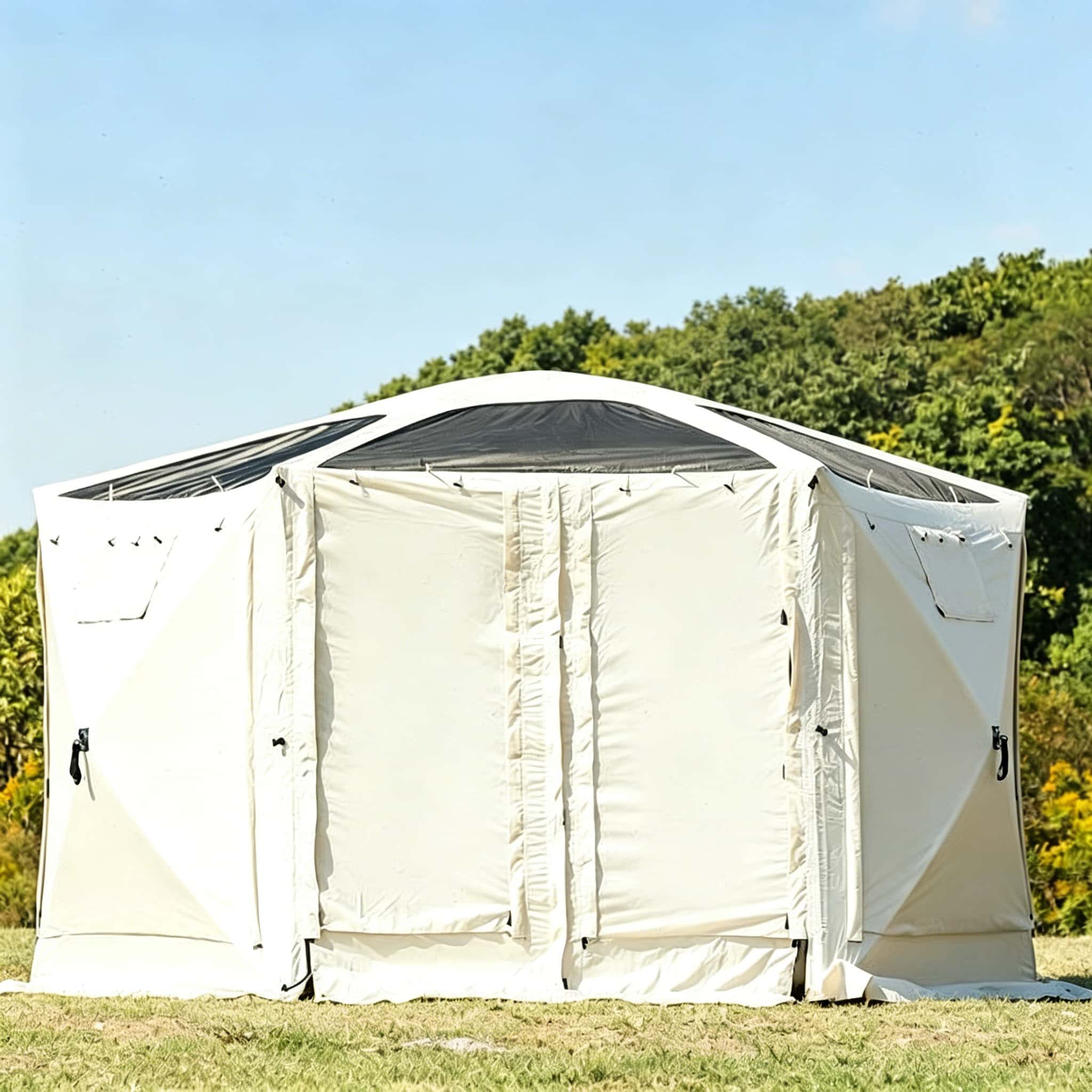 A shelter that is easy to carry can be useful for outdoor activities, but low weight alone does not determine how well it works once it is set up. A structure still needs to stay in place, provide usable space, allow air to move through the screened walls, and remain practical on different types of ground. These requirements can sometimes pull the design in different directions. A Lightweight Screen House is therefore shaped by more than the amount of material used in its construction. Frame arrangement, connection points, mesh coverage, anchoring, floor design, and overall shape all influence how the shelter behaves outdoors. The surroundings matter as well. A setup on firm grass can behave differently from one placed on loose soil, an uneven surface, or an exposed area. Looking at these details together gives a clearer picture of what lightweight outdoor shelter design involves. Instead of treating weight as a separate feature, it is more useful to consider how weight interacts with stability, airflow, anchoring, and the conditions where the shelter will be used. How Does Frame Weight Affect Screen House Stability The frame provides the basic shape of a screen house and supports the roof and screened sections. Reducing its weight can make transportation and handling easier, but the frame still needs enough structural support to maintain its shape after assembly. A very light structure can respond more noticeably to movement around it, particularly when the shelter is placed in an open area. This does not mean that a lighter frame is unsuitable. Rather, its stability depends on how the frame distributes its load and how it connects with the ground. Several parts of the frame work together: Vertical supports help maintain the height and shape of the shelter. Upper connections keep the roof section aligned with the side supports. Joints allow separate frame sections to work as one structure. Lower contact points provide locations for securing the shelter. The relationship between these parts matters more than the weight of an individual component. A frame that is light but arranged properly can provide a practical structure, while simply removing material without considering the overall arrangement can make the shelter harder to keep in position. This is why lightweight design should be considered as a balance between portability and structural behavior. The frame has to be light enough to handle without becoming disconnected from the conditions around it. Structural area What it affects What to consider Frame supports Overall shape Position and connection between supports Roof support Upper structure How the roof load is transferred Joints Frame continuity Secure connections between sections Lower points Ground contact Compatibility with anchoring methods Why Can Wind Affect a Lightweight Screen House So Quickly Wind is one of the clearest examples of why weight cannot be considered on its own. An open shelter allows air to pass through the mesh, but its roof and frame can still respond to moving air. The effect can become more noticeable when the shelter stands in an open location with little protection around it. Wind does not always arrive from one direction. Its movement can change around buildings, trees, fences, and nearby objects. A shelter that feels stable in one position may behave differently when placed somewhere more exposed. The roof also deserves attention. A roof creates a larger surface for moving air to act against, while the screened walls determine how much air can pass through the sides. The relationship between these areas influences how the structure moves. For outdoor use, the surrounding space should therefore be considered before setup. A sheltered backyard, an open field, and a breezy campsite do not present the same conditions. A few practical observations can help: Look at the direction from which air is moving. Avoid placing the shelter where surrounding surfaces create sudden air movement. Check whether every frame section is properly connected. Secure the structure before spending time inside it. The purpose is not to make the shelter behave like a permanent structure. A portable screen house is intended to remain relatively easy to move, so its design has to work with temporary anchoring rather than relying on heavy construction. How Do Stakes and Guy Lines Keep a Screen House in Place Once wind is considered, anchoring becomes an important part of the setup. Stakes connect the shelter to the ground, while guy lines can transfer movement from the upper structure toward those ground points. The effectiveness of these components depends on placement. A stake inserted into loose ground may not hold in the same way as one placed into firm soil. A guy line that is attached without maintaining suitable tension may also provide limited support. The anchoring system should work as part of the complete structure rather than being treated as an accessory added afterward. For a portable shelter, useful anchoring considerations include: Ground contact — The fixing point needs to interact properly with the available surface. Line position — Guy lines need enough room to extend without becoming a trip hazard. Connection points — The frame and attachment points should remain properly connected. Setup tension — Lines should support the structure without pulling it out of alignment. This relationship explains why two shelters with similar dimensions can behave differently in use. The frame, attachment points, and ground conditions all contribute to how well the structure stays where it was placed. A Lightweight Screen House can remain portable while still requiring deliberate anchoring. Portability changes how stability is achieved; it does not remove the need for it. Why Does Ground Type Matter When Setting Up a Screen House The surface beneath a shelter is easy to overlook because attention naturally goes to the frame and roof. Yet the ground determines how the lower part of the structure can be secured and how evenly the frame sits. Firm grass can provide a relatively straightforward setup, while loose soil may require more attention to the placement of stakes. Uneven ground creates another issue because the shelter may not sit at the same level at every support point. A suitable location should provide enough room for the entire structure while allowing the frame to rest without unnecessary twisting. Objects hidden beneath grass or leaves can also interfere with the lower supports. Ground condition Possible setup concern Useful consideration Firm grass Usually provides clear anchoring points Check each fixing point Loose soil Stakes may move more easily Pay attention to anchoring Uneven ground Supports may sit at different levels Position the shelter carefully Hard surface Conventional stakes may not work Consider whether the shelter suits the location Ground conditions also influence comfort. A stable frame can still feel awkward if the floor area slopes or contains stones and other obstacles. Choosing the location is therefore part of setting up the shelter, rather than a separate task after assembly. How Does Mesh Coverage Change Wind Resistance Mesh serves an important purpose in a screen house because it allows air to move through the enclosed area while creating a barrier between people and flying insects. Its coverage and arrangement also influence how the shelter responds to moving air. A wall that is largely made from mesh does not behave like a solid wall. Air can pass through the openings, reducing the amount of resistance created by a continuous surface. However, the roof and other covered sections can still interact with wind. The balance between openness and coverage affects the indoor environment as well. More open mesh can support airflow, while additional covered sections may change how air moves through the space. This becomes particularly relevant during warm outdoor activities. People may want an enclosed area for sitting or eating without creating a stuffy interior. Mesh design helps address that need, but the result depends on how the walls, openings, doors, and roof work together. The mesh should therefore be considered part of the overall structure. It is not simply a layer added for insect protection. Its position, coverage, and connection with the frame can influence both comfort and the way air moves around the shelter. Does a Screen House Floor Help Keep Crawling Bugs Out The bottom of a screen house creates another design choice. Some structures include a floor, while others allow the occupants to stand directly on the ground beneath the roof and screened walls. A floor can create a more defined boundary between the interior and the surrounding ground. This may help reduce some paths used by crawling insects, while also keeping personal items away from damp or uneven ground. A floorless arrangement has its own practical characteristics. It can make the shelter easier to position around outdoor furniture and can simplify movement between the sheltered area and the surrounding ground. Cleaning can also involve the surface beneath the shelter rather than the shelter floor itself. The choice depends on how the space is intended to be used. For example, a dining setup may benefit from a clear separation between the ground and the seating area, while a casual backyard arrangement may place more importance on quick positioning and access. The bottom edge also deserves attention even when no floor is present. Gaps between the lower mesh and the ground can provide an opening for crawling insects. The surface beneath the shelter, nearby vegetation, and food left around the area can all affect insect activity. This is one reason the floor should not be viewed as an isolated feature. It changes the relationship between the shelter and the ground. Why Does Screen House Shape Matter in Windy Conditions Shape affects how the structure occupies outdoor space. A shelter with a broad roof and straight sides interacts with moving air differently from one with a different roof profile or support arrangement. The shape also determines where the frame supports are located. Some layouts distribute supports around the perimeter, while others create different patterns around the interior. These choices influence both structural behavior and usable space. For wind-exposed locations, the position of the shelter relative to nearby objects matters alongside its shape. A wall, tree, or building can change airflow around the structure, so the same design may experience different conditions depending on where it is placed. Shape also has a practical effect inside. A shelter needs enough open area for chairs, a table, food, or other outdoor items without making movement around the supports uncomfortable. This creates several connected considerations: The outer shape affects how the shelter occupies the site. The roof shape influences the space above occupants. Support placement affects movement inside. Door placement affects entry and circulation. The relationship between roof and walls affects airflow. For a Lightweight Screen House, shape is therefore part of both structural planning and everyday use. Reducing weight without considering the shape can overlook how the shelter actually interacts with its surroundings. How Should a Lightweight Screen House Be Used in Windy Weather A lightweight outdoor shelter is designed for temporary use, so conditions should be considered before and during setup. Wind is particularly relevant because it can change quickly in open outdoor areas. The surrounding location provides useful clues. A sheltered area may experience different air movement from an exposed space. The condition of the ground also determines whether the available anchoring method can provide a stable connection. Before setting up, it is useful to check: whether the ground can accommodate the fixing points; whether the frame is fully connected; whether guy lines can be positioned safely; whether nearby objects may affect airflow; whether the planned location leaves enough space around the shelter. During use, changes in weather should also be noticed. If the structure begins to move more than expected, occupants should assess the setup rather than assuming that its original position will remain unchanged. The same principle applies to other outdoor conditions. A screen house may be used around a backyard seating area, beside a picnic table, or at a temporary outdoor gathering, but each location presents different requirements. The useful question is therefore not simply how light the shelter is. It is whether the combination of frame, anchoring, mesh, floor arrangement, shape, and surroundings suits the intended use. A Lightweight Screen House has to be light enough to handle while remaining sufficiently connected to the ground and its environment. That balance is what turns lightweight construction from a simple reduction in weight into a practical approach to outdoor shelter design.
 -
2026-09-04How Does a Water Camping Tent Adapt to Both Land and Water Use
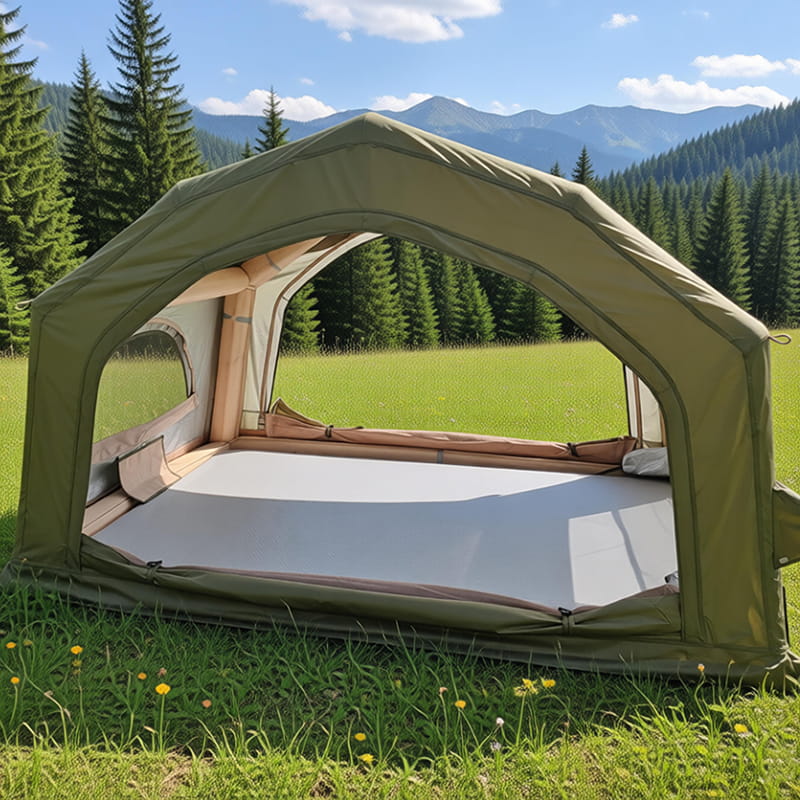 Camping has traditionally been associated with solid ground, a level place for a tent, and a nearby source of water for recreation. A different type of outdoor setup is beginning to connect these two environments more closely. A tent that can remain a usable shelter on land and also function as a floating platform changes the way the campsite itself can be arranged. A Water Camping Tent combines an enclosed camping space with a floating base. Rather than treating the tent and the watercraft as completely separate pieces of equipment, the design brings them together as one outdoor space. This creates several practical questions. How can a shelter remain stable when the ground beneath it changes from soil to water? How should the structure respond to rain, movement, and moisture? What changes when people use a tent while surrounded by water rather than standing on dry ground? These questions are closely related. The transition between environments affects stability, water protection, ventilation, interior use, and the conditions under which the equipment can be used. Looking at these aspects together gives a clearer picture of how land and water camping can be connected. What Makes a Water Camping Tent Suitable for Two Environments A conventional camping shelter is generally designed around contact with the ground. Its base rests on soil, grass, sand, or another relatively stable surface, while the upper structure provides protection from weather. Once the shelter is placed on water, the conditions change considerably. The supporting surface is no longer fixed. Water moves, people move inside the shelter, and the distribution of weight can change as someone sits down, stands up, or enters and leaves. A suitable design therefore has to consider the relationship between the enclosed shelter and the floating base rather than treating them as unrelated parts. On land, the main concern is keeping the shelter properly positioned and supported. On water, the supporting structure must remain afloat while carrying the shelter and its occupants. The connection between these functions is central to a two-environment design. Another consideration is the way people interact with the equipment. A land-based tent can usually be approached from any convenient direction. A floating setup requires more attention when people step into or out of the enclosed space because movement can affect its position on the water. This difference makes the transition between environments an important part of the overall design rather than a minor feature added after the shelter has been developed. How Does a Water Camping Tent Transition From Land to Water Moving between land and water involves more than carrying a tent to the edge of a lake and placing it on the surface. The structure has to accommodate two different forms of support. When used on land, the floating section can serve as the base of the camping space. Once moved onto the water, that same section becomes responsible for keeping the shelter above the surface. The connection needs to remain organized as the entire unit changes position. The process also affects how occupants enter the shelter. On firm ground, stepping through a doorway creates little movement. On water, the same action can shift the floating structure. For this reason, the arrangement of the entrance, base, and surrounding space needs to work together. A practical transition generally involves several considerations: The floating base needs to support the shelter and the people using it. The shelter needs to remain attached to the floating structure during movement. Weight should be distributed rather than concentrated in one area. Entry and exit should not require unnecessary movement across the structure. The surrounding water conditions should be considered before making the transition. This creates a useful distinction between a tent that is simply water-resistant and a shelter specifically designed to operate in both environments. The latter has to account for a change in the way the entire structure is supported. How Does a Floating Water Camping Tent Stay Stable on Water Stability becomes a central concern once the camping space is placed on water. A floating platform naturally responds to changes in weight and movement. Even a person walking from one side of the shelter to another can change how the structure sits on the surface. The shape and arrangement of the floating base therefore matter. A broad and evenly supported base can distribute weight across a larger area, while the position of the shelter above it affects the overall balance. The placement of people and camping equipment also has an influence. Inside a floating shelter, movement should be considered differently from movement inside a land tent. Sitting in one location, moving toward an entrance, or placing equipment near one side can produce different effects on the platform. This is why the relationship between the upper shelter and lower floating section is important. A stable arrangement does not depend on one component alone. The base, shelter, occupants, and stored items all become part of the same moving system. Condition What Needs Attention People entering Movement near the entrance can affect balance People changing position Weight distribution can shift across the base Equipment storage Items should not be concentrated in one area Small surface movement The structure needs to respond without unnecessary shifting For recreational use, calm surroundings also make a difference. Water conditions can change with wind, waves, currents, or passing activity, so stability is related to both the structure and the environment around it. How Does a Water Camping Tent Manage Rain and Splashing Water Rain protection is familiar to anyone who has used outdoor shelters, but a floating camping space introduces additional sources of moisture. Rain may reach the upper fabric, while water from the surrounding surface can create splashes against the lower section. The roof and side panels need to direct rain away from the living area. At the same time, areas around openings and connections deserve attention because water can enter through small gaps even when the main fabric sheds rain effectively. The lower portion has a different role. On land, the bottom of a tent mainly separates the occupants from damp soil and standing water. On a floating structure, the lower section is exposed to the surrounding water environment. Its connection with the upper shelter therefore becomes an important part of keeping the interior dry. Doors and other openings also require careful use during wet conditions. Opening a shelter while rain is falling can allow water to enter directly, while splashing from the surrounding surface may reach the entrance from below. A useful way to consider moisture protection is to separate it into several areas: Upper protection — dealing with rainfall from above. Side protection — limiting water entering through walls and openings. Lower protection — separating the interior from surrounding moisture. Connection areas — keeping joins between different sections properly protected. These areas work together rather than independently. Good water protection depends on the overall arrangement of the shelter and floating base. How Does Ventilation Work in a Water Camping Tent Keeping rain outside is only part of maintaining a comfortable enclosed space. Air circulation also matters, particularly when people stay inside for an extended period. An enclosed shelter naturally accumulates moisture from breathing, damp clothing, wet equipment, and the surrounding environment. When warm air meets a cooler surface, moisture may collect as droplets. These droplets can sometimes be mistaken for a leak even when rain has not entered the shelter. Ventilation openings allow air to move through the interior and help release humid air. Mesh sections can also provide airflow while creating a barrier against insects. Their position is important because air needs a path to enter and leave rather than simply passing through one small opening. There is also a practical balance between ventilation and weather protection. Openings that provide airflow need to be positioned so that rain is less likely to enter. During wet weather, occupants may need to adjust ventilation according to wind direction and rainfall. The water around the shelter adds another consideration. A floating campsite is surrounded by a moist environment, so keeping the interior completely closed for long periods may not be practical. Air movement becomes part of maintaining the space rather than an optional feature. What Interior Features Matter in a Floating Water Camping Tent The interior of a floating shelter has to serve familiar camping purposes while also accounting for movement on the water. Sleeping, sitting, changing clothes, and storing equipment are all different from simply standing on a floating platform. Space planning becomes important because unnecessary movement can affect the position of the structure. Heavy items placed on one side may create an uneven load, while loose belongings can shift when the platform moves. For that reason, the interior is generally easier to manage when frequently used items are kept within reach and stored in places where they are less likely to move around. The entrance deserves particular attention. It connects the interior with the surrounding environment and may be used while the platform is moving slightly. A clear approach can make entering and leaving easier, particularly when occupants are carrying personal equipment. The living area also needs to balance comfort with practical movement. A larger open area may provide more freedom inside, but the arrangement still needs to account for the way people and belongings affect the floating base. Rather than viewing the interior simply as a room placed above water, it is more useful to consider it as part of the complete floating arrangement. The shelter, its contents, and its occupants all interact with the supporting structure. What Safety Factors Matter When Using a Water Camping Tent Water-based camping requires a different approach to site conditions than ordinary ground camping. A location that appears suitable from the shore may have changing water movement, wind exposure, or other conditions that affect a floating structure. Weather should be checked before use, particularly when the shelter is intended to remain on the water. Wind can influence surface movement, while changing water conditions may make entering or leaving more difficult. The number of occupants and the amount of equipment also matter. A floating structure has a limited capacity to support weight, and the distribution of that weight can affect how it sits on the surface. Before use, it is reasonable to check: Whether the water surface is suitable for the intended activity Whether weather conditions are expected to remain appropriate Whether the structure and connections are properly secured Whether personal flotation equipment is available when appropriate Whether occupants can enter and leave without unnecessary risk Whether loose equipment is stored securely These considerations are not unique to one particular shelter. They reflect the basic difference between camping on solid ground and staying in an enclosed space supported by water. The surrounding environment should also remain part of the decision. Calm water near a suitable campsite presents different conditions from an exposed area with strong movement. Choosing the right setting is therefore as important as preparing the equipment. Where Can a Water Camping Tent Expand the Camping Experience The combination of a shelter and floating base creates camping possibilities that are difficult to achieve with a conventional tent alone. Instead of limiting the campsite to the shoreline, the living space can be connected more directly with the water. Lakes and other relatively calm recreational waters can provide settings where people want to spend time both beside and on the water. A floating shelter can create a different relationship between the sleeping space and the surrounding landscape. The concept can also suit short outdoor stays where people want to combine camping with water-based recreation. The key difference is not simply that the shelter can float. It is that the boundary between the campsite and the water becomes less fixed. For example, a campsite can be arranged so that the shelter begins on land and later moves toward the water. In another setting, the floating configuration can become the main part of the outdoor stay while nearby land remains available for access and preparation. Camping Environment Main Consideration Lakeside campsite Easy movement between shore and water Calm recreational water Surface conditions and access Waterside leisure area Transition between land activities and floating use Outdoor overnight setting Shelter comfort, moisture control, and equipment storage This type of arrangement also changes how camping equipment is viewed. A tent no longer has to represent a fixed point on the ground. When the supporting structure can move between land and water, the campsite itself becomes more flexible in its relationship with the surrounding environment.
 -
2026-09-01Tiansai Leisure Presents Tent Products at the Cologne Exhibition
 Ningbo Zhenhai Tiansai Leisure Products Co., Ltd. participated in the 2026 Cologne International Camping Equipment, Landscape Living and Outdoor Sports Goods Exhibition from June 22 to 24 at the Cologne International Exhibition Center in Germany. Tiansai Leisure exhibited at Booth 4.1 A037, bringing a selection of its tent products to the show. Over the three-day exhibition, the team met visitors from different markets and discussed products, outdoor applications and possible cooperation. Bringing Tent Products to the Exhibition Floor Several tents were displayed at the booth in a ready-to-view setup. Visitors could walk around the products, look at the available space and discuss details directly with the Tiansai Leisure team. For an outdoor product such as a tent, seeing the actual product can make discussions much easier. Customers were able to ask about different designs, intended applications, product requirements and customization while viewing the tents. The conversations also covered the needs of different markets. Some visitors were interested in particular product features, while others focused on design, production arrangements or potential cooperation. Years of Experience in Tent Development Tiansai Leisure is based in Zhenhai District, Ningbo, Zhejiang Province, with a factory covering more than 13,000 square meters. Ningbo's location as a major port city supports the company's export business, and its products are sold in markets across North America, Europe, Asia and other regions. The company has focused on tent design, production and sales since its establishment. During this time, Tiansai Leisure has developed a range of tent products and obtained several appearance patents and utility model patents. Product development is handled by a professional design team. In addition to design work, the team pays attention to how products perform in actual outdoor settings. Testing by professionals and outdoor enthusiasts, together with feedback from customers, is used when making product adjustments. A Team With Experience in Overseas Markets Product development is only one part of Tiansai Leisure's work. Over the years, the company has also built experience in supply chain management, manufacturing and overseas business. The core team has more than ten years of experience in outdoor product R&D, production and overseas operations. This experience supports communication with customers at different stages, whether they are discussing a new product idea, making changes to an existing design or preparing for production. Tiansai Leisure also works with customers on specific product requirements, including design details, functions and structural considerations. Looking Ahead to New Product Development Lightweight design and environmentally conscious materials are among the areas Tiansai Leisure plans to keep working on. The company will also continue to pay attention to practical outdoor use when developing and adjusting products. Customer conversations are an important part of this process. Questions and suggestions raised during exhibitions and daily cooperation can provide useful input for future product improvements. The Cologne exhibition gave Tiansai Leisure another opportunity to meet customers and outdoor industry professionals in person. The discussions at the booth offered a closer look at current market needs and created further possibilities for communication with overseas partners. For Tiansai Leisure, the exhibition was not only about presenting products. It was also a chance to exchange ideas, listen to customers and bring new market information back into its ongoing product development work.
 -
2026-08-28How Does a Bell Tent with Stove Hole Improve Cold Weather Camping
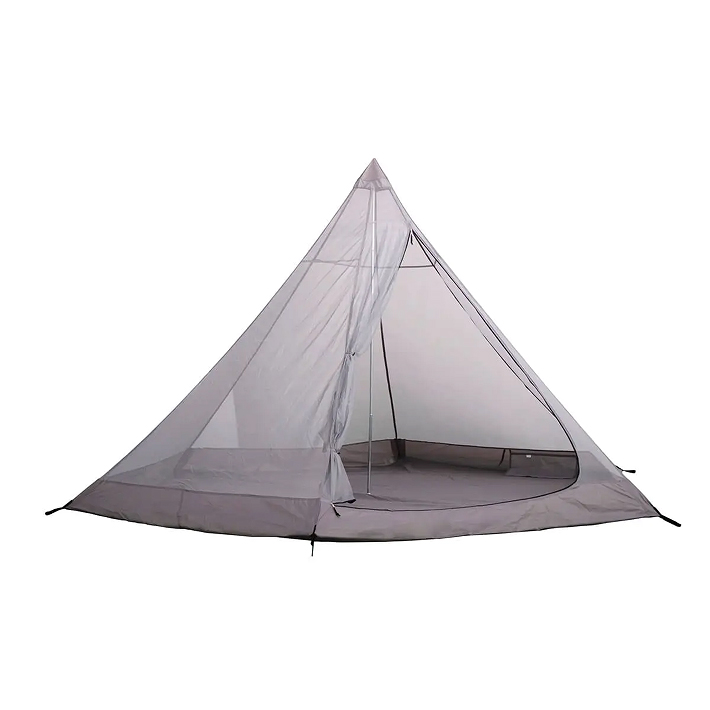 Cold-weather camping changes the way a tent needs to be planned. Lower temperatures can make sleeping areas feel less comfortable, while wet weather and limited airflow can create additional concerns inside a fabric shelter. A tent designed with an opening for a stove offers a practical way to bring a small heating appliance into the camping space while keeping the flue outside. The arrangement is not simply about adding warmth. The position of the opening, the size of the stove, the route taken by the flue, the space around the heater, and the available airflow all affect how the setup works. Rain protection also deserves attention because an opening through the fabric can become a potential entry point for moisture if it is not properly arranged. For campers comparing different tent designs, these details can make the difference between a convenient setup and one that requires considerable adjustment. Looking at the structure and everyday use together provides a clearer way to assess whether this style of tent suits cold-weather camping. What Makes a Bell Tent with Stove Hole Different From a Standard Bell Tent A standard bell tent is generally arranged around an open central living and sleeping area. When a stove opening is added, part of that arrangement changes because a suitable place must be provided for the flue to pass through the fabric. The opening is usually positioned away from the main central area so that the stove can sit along one side of the tent. This leaves the center available for movement, sleeping equipment, seating, or other camping items. The exact position varies between designs, so it should be checked before deciding where the stove will stand. Another difference is the way the tent needs to be planned before use. A normal tent can often be arranged around beds and storage without considering heat-producing equipment. A tent intended for stove use requires attention to the heater, its surrounding space, and the path of the flue. Feature Standard bell tent Tent with stove opening Heating arrangement Separate from the tent Can accommodate a stove Fabric opening Not normally required Provided for the flue Interior planning Focuses on living space Includes a stove area Weather considerations Mainly rain and wind Rain, wind, heat, and airflow The opening itself does not mean that every type of heater is suitable. The tent, stove, and flue need to work together as one arrangement. How Do You Choose the Right Stove for a Bell Tent with Stove Hole Choosing a stove should begin with the available space rather than with appearance or heating capacity alone. A heater that takes up too much room can make movement difficult, while a very small unit may not provide the desired level of warmth. The shape of the stove matters as well. A compact design can leave more usable floor area around it. The position of the flue outlet also needs to correspond with the opening in the tent. If these parts do not align naturally, the setup can become awkward. The type of fuel is another consideration. Different stoves have different operating requirements, and the user should follow the instructions supplied with the particular stove. The same applies to the flue arrangement. A useful comparison before purchase can include: Available floor space Stove dimensions Flue position Fuel requirements Distance from nearby fabric and equipment Ease of moving around the stove The tent size should also be considered. A spacious tent provides more room to position a heater away from sleeping and living areas. In a smaller shelter, every part of the layout becomes more important. What Should You Know About the Stove Hole and Chimney Pipe The opening in the fabric provides a route for the flue to leave the tent. It should not be treated as an ordinary hole cut into the material. Its surrounding area needs to accommodate the heat produced by the flue while maintaining the intended structure of the tent. The flue should pass through the opening without placing unnecessary pressure on the surrounding fabric. Its route should also remain as straight and stable as the design allows. Bending or shifting the pipe can make the setup harder to manage. Some tents use a dedicated heat-resistant section around the opening. Others may require an additional part to create a suitable connection between the pipe and the tent. These arrangements differ by product, so checking the supplied instructions is important. Area to check Why it matters Opening position Determines where the stove can be placed Opening size Needs to suit the flue arrangement Heat-resistant section Helps separate hot surfaces from ordinary fabric Pipe route Affects stability and interior layout Exterior connection Helps manage the point where the pipe leaves the tent The key point is that the opening, pipe, and stove should be considered together. Changing one part of the arrangement may affect the others. How Much Clearance Does a Stove Need Inside a Bell Tent Space around the stove is not simply unused floor area. It provides room for movement and helps keep heat-producing surfaces away from items that may be damaged by heat. Beds, sleeping bags, clothing, bags, chairs, and other camping equipment should not be placed directly beside the stove. The exact clearance depends on the stove and the instructions provided for it, so there is no single distance that applies to every setup. The floor beneath the stove also deserves attention. A suitable heat-resistant surface can help protect the tent floor from heat, sparks, or accidental contact with hot material. Placement should be considered before the tent is fully furnished. If the stove is installed after beds and storage have been arranged, there may be little practical space left around it. A simple approach is to mark the intended stove area during setup and then arrange other equipment around that space. This can make movement easier and reduce the temptation to place personal items too close to the heater. Why Does Ventilation Matter When Using a Stove in a Bell Tent A heated tent still needs a steady flow of fresh air. Combustion uses oxygen, while the burning process produces gases that must leave the living space through the flue. Closing every opening in an attempt to retain heat can therefore create an unsuitable indoor environment. Ventilation also affects comfort. Moisture from breathing, wet clothing, cooking, and damp outdoor equipment can accumulate inside a closed tent. Air movement helps remove some of that moisture. The available doors and vents should be used according to the tent and stove instructions. A carbon monoxide alarm is also an important safety measure when combustion equipment is used in an enclosed camping space. Rather than viewing ventilation as something that works against heating, it is better to treat the two as connected parts of the setup. The aim is to maintain a reasonable indoor environment while allowing the stove to operate as intended. If smoke enters the tent, the stove behaves unusually, or the air becomes uncomfortable, the equipment should be checked and the manufacturer's guidance followed. How Can You Protect a Bell Tent Stove Hole From Rain Rain can create a problem around any point where the tent fabric has an opening. The area around the flue therefore needs to be arranged so that water has limited opportunity to enter. A properly designed opening may include a heat-resistant flap or another protective section. Some setups also use an exterior cover around the pipe. These parts help manage the gap between the hot flue and the fabric while also dealing with changing weather conditions. The pipe should not be positioned in a way that allows water to collect around the opening. During wet conditions, it is worth checking the area from both inside and outside the tent. Several simple checks can be made during setup: Look for visible gaps around the pipe. Check whether rain can run directly toward the opening. Make sure protective sections sit in their intended position. Inspect the area after strong wind or heavy rain. Allow damp fabric to dry properly after camping. The waterproof performance of the main tent fabric does not automatically determine how well the stove opening handles rain. The opening is a separate part of the overall design and should be assessed on its own. How Does a Bell Tent with Stove Hole Perform During Cold Weather Camping Cold-weather performance depends on more than the presence of a stove opening. The tent fabric, internal space, ventilation, stove size, weather conditions, and sleeping arrangement all contribute to the experience. A stove can provide a source of heat inside the shelter, but the warmth will not remain evenly distributed at all times. Heat naturally rises, and areas close to the heater can feel warmer than areas farther away. Furniture and personal equipment can also affect how air moves through the space. The layout therefore becomes particularly important in colder conditions. Sleeping areas can be kept away from the stove, while frequently used items can remain within easy reach without blocking airflow. Moisture is another part of cold-weather camping. Wet shoes, coats, and outdoor equipment brought into the tent can add moisture to the indoor air. Ventilation remains necessary even when temperatures are low. The following factors are useful when assessing the setup: Cold-weather factor Practical consideration Heat distribution Position sleeping and living areas around the heater Air movement Keep ventilation available Wet equipment Provide a place for damp items away from the stove Floor protection Use a suitable surface beneath the heater Weather exposure Check the opening and pipe after wet or windy conditions The result is a camping environment shaped by several interacting elements rather than by the heater alone. What Should You Check Before Buying a Bell Tent with Stove Hole A purchase decision can be easier when the stove opening is treated as one part of the overall tent design. The location of the opening should suit the intended layout, while the fabric and surrounding area should be appropriate for the heat produced by the planned equipment. Compatibility is another important point. The stove, flue, and opening need to work together without forcing the user to make unsuitable modifications. If additional parts are required, their availability should be checked before purchase. It is also useful to consider how the tent will be used in different weather. A design that works well during dry camping may require different preparation when rain, wind, or low temperatures are involved. Before choosing a model, check: Stove opening location Suitable stove types Flue compatibility Heat protection around the opening Ventilation arrangements Floor protection requirements Rain protection around the flue Care instructions for the tent fabric A stove-ready tent is therefore not defined by the opening alone. Its practical value depends on how the opening, fabric, internal layout, ventilation, and heating equipment function together during outdoor use.
 -
2026-08-21How Can a Large Inflatable Family Tent Shape Outdoor Campsites
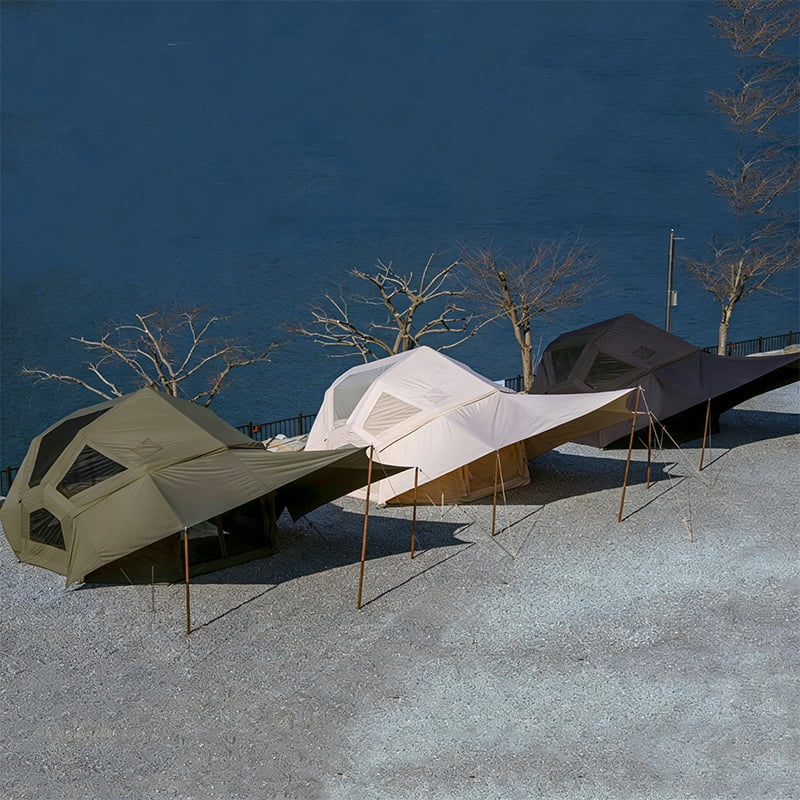 Family camping has changed in a fairly practical way. A campsite is no longer just a place to put sleeping bags and store a few pieces of equipment. People may eat, read, talk, rest, change clothes, and spend long periods indoors when the weather is not suitable for staying outside. That makes the way a shelter is arranged worth considering. The setup shown in the image gives a good example. The main enclosed area provides space for sleeping and relaxing, while the wide front opening leads toward a covered outdoor section. Chairs and a table can sit outside without being completely separated from the shelter. The result is a campsite with several connected areas rather than one enclosed room. That relationship between spaces raises some practical questions. Where should furniture go? How should sleeping and living areas be separated? What happens when rain arrives? And how can the same campsite remain comfortable when people move between indoor and outdoor areas throughout the day? How Does a Large Inflatable Family Tent Create Separate Living Areas A family rarely uses a camping shelter for just one purpose. Someone may be resting while another person is reading, eating, or getting ready to go outside. Children may also move in and out of the shelter throughout the day. Without some separation, these ordinary activities can quickly interfere with each other. A sensible layout usually starts by giving the sleeping area a quieter position. The shared living area can sit closer to the entrance, making it easier to reach from outside. Bags and frequently used equipment can remain near the entrance instead of being placed beside bedding. The difference can be noticeable even when the overall floor area stays the same. A clear route through the shelter makes it easier to move around, while a poorly placed chair or storage box can turn a simple walk to the sleeping area into an obstacle course. Area Typical Use Practical Point Sleeping area Rest and changing clothes Keep it away from busy movement Living area Sitting, eating and relaxing Leave room around seating Entrance Coming and going Avoid blocking the doorway Storage area Bags and camping items Keep commonly used items within reach Separate areas do not necessarily need rigid walls. A change in furniture position, a divider, or simply the direction of movement can make one part of the shelter feel different from another. That flexibility is useful for families because camping routines change during the day. A space used for breakfast may later become a place for children to play or adults to sit and talk. How Can the Front Awning Extend a Family Tent's Outdoor Space The covered section at the front deserves more attention than it often receives. In the pictured campsite, it creates a shaded area directly outside the main entrance. The chairs and table are not deep inside the shelter, yet they are still connected to it. That small difference changes how the campsite can be used. A family can sit outside without moving too far from the main shelter. Meals can be taken under cover, outdoor footwear can remain near the entrance, and frequently used items can be kept close at hand. Someone sitting under the awning can also move indoors quickly when the weather changes. The front area can serve as: A place for outdoor meals A shaded sitting area A transition space for shoes and wet clothing A convenient location for frequently used camping items An extension of the main living area Its position also matters. Furniture placed directly in front of the doorway may make entering and leaving awkward. Moving the table or chairs slightly to one side can leave a clearer route while preserving the useful outdoor area. Rather than treating the awning as an extra piece attached to the shelter, it makes more sense to view it as part of the campsite layout. It changes where people sit, where they eat, and how they move between the interior and the surrounding space. How Should Furniture Be Arranged Inside a Large Inflatable Family Tent Camping furniture tends to accumulate. One chair becomes two, a small table appears beside them, and bags eventually end up wherever there is an empty patch of floor. After a while, even a roomy shelter can start to feel cramped. The entrance is a sensible place to begin when arranging the interior. The route from the door to the living and sleeping areas should remain easy to follow. Items that are used repeatedly can stay nearby, while less frequently needed equipment can be moved farther away. A table should support the way the family actually uses the shelter. If meals are normally eaten beneath the front cover, there may be little reason to occupy valuable interior floor space with a large table. If rainy weather keeps everyone indoors, however, that same table may become much more useful. Item Placement Idea Reason Folding chairs Along the side of the living area Keeps central space open Camping table Near the area used for meals Reduces unnecessary movement Storage boxes Beside a wall or defined storage point Avoids blocking pathways Personal bags Together in one area Prevents clutter across the floor Outdoor chairs Under the covered entrance area Leaves more indoor room There is also a case for keeping some furniture movable. A fixed arrangement may work during the evening but become inconvenient when the family needs more open floor space during the day. A little empty space is useful. It gives children somewhere to move, leaves room for people carrying bags, and makes it easier to reach sleeping areas without disturbing everyone else. Why Does Ventilation Matter in a Large Inflatable Family Tent Once several people spend time inside a camping shelter, air movement becomes a practical concern. Sleeping, cooking nearby, drying clothes, and simply having several people in the same enclosed space all add moisture to the interior. Opening the main door can provide plenty of airflow when weather conditions allow it. Windows and mesh sections can also help keep air moving while the shelter remains partly enclosed. The sleeping area needs some attention here. It may stay closed for privacy at night, but a closed space can become warm and stuffy. Keeping available ventilation routes open when appropriate can make the sleeping environment more comfortable. Moisture is another reason to pay attention to airflow. A damp jacket hung inside, wet shoes left beside bedding, or moisture collecting overnight can make the interior feel clammy. Ventilation helps, but it works better when wet items are also kept in a sensible place. The front opening shown in the image is useful in this respect. When conditions are suitable, opening it creates a direct connection between the living area and outdoor air. The shelter can feel less enclosed without requiring the entire structure to remain open. How Does a Large Inflatable Family Tent Connect Indoor and Outdoor Living The boundary between inside and outside is not always as clear as it appears on a campsite plan. People move back and forth constantly. A child may go outside to play and return for a drink. Someone may sit under the covered entrance while another person rests inside. Meals may begin outside and move indoors when the weather changes. A well-arranged shelter supports these small movements. The entrance becomes a link rather than simply a doorway. The covered section provides another layer between the living area and open ground. From there, chairs, tables, cooking equipment, or other camping items can be arranged according to the conditions. The flow can be pictured simply: Sleeping area → Living area → Entrance → Covered area → Open campsite Each section has its own role, but the family can move between them without having to reorganize the entire campsite. This arrangement is particularly useful when the weather is changeable. People can start the morning outside, move beneath the covered section when the sun becomes stronger, and retreat indoors later without treating each move as a separate activity. For a Large Inflatable Family Tent, usable space is therefore about more than the floor inside the fabric walls. The relationship with the covered entrance and surrounding campsite also affects how much of the setup feels genuinely useful. How Can Families Use a Large Inflatable Family Tent on Rainy Days Rain tends to expose weaknesses in a campsite layout. Shoes become wet, coats need somewhere to go, and outdoor furniture may no longer be comfortable. If everything is brought indoors without a plan, the living area can become cluttered very quickly. The covered entrance can act as a useful buffer. Wet footwear can remain near the doorway, while coats and other damp items can be kept away from bedding. That leaves the main living area available for sitting, eating, reading, or other indoor activities. A rainy afternoon can also change how furniture is used. Chairs that normally sit outside may be brought into the living area. A table that was not needed earlier can become useful for meals or quiet activities. Leaving some flexibility in the layout makes these changes easier. Airflow should not be forgotten when the shelter is closed against rain. Completely sealing every opening may leave moisture trapped inside. Where the conditions allow it, vents, windows, or partially opened areas can provide some movement of air while limiting exposure to rain. After the weather clears, drying becomes important. Wet clothing and equipment should not simply be pushed into a corner. Fabric and other damp items need an opportunity to dry before the shelter is packed away. Otherwise, moisture can remain inside the packed material and create problems during later storage. Which Features Matter When Choosing a Large Inflatable Family Tent Choosing a family shelter is closely tied to how a particular family spends time outdoors. A group that spends long periods inside may care more about the living area and sleeping arrangement. Another family may spend most of the day outside and place greater importance on the covered entrance. It is useful to look at the complete layout rather than focusing on one feature in isolation. A few practical questions can help: Can sleeping areas remain reasonably separate from the main activity area? Is the route through the entrance clear when furniture is in place? Can the covered front section be used for sitting or eating? Are there suitable ways to keep air moving through the interior? Is there a sensible place for bags, shoes, and damp clothing? Can furniture be moved when the family's routine changes? Does the layout remain usable when rain keeps people indoors? Can the shelter be dried and packed without leaving damp areas behind? These questions also explain why two shelters with similar external appearances may feel quite different during actual camping. The arrangement of doors, sleeping spaces, living areas, covered sections, and furniture can influence everyday use more than appearance alone. A campsite works as a collection of connected spaces. The sleeping area provides a quieter place to rest, the living area handles shared activities, the entrance manages movement, and the covered outdoor section gives the family another place to sit or eat. When those areas work together, the shelter becomes part of the wider campsite rather than an isolated room placed on the grass. That is the practical direction behind the changing design of family camping shelters: not simply adding space, but making the available space easier to use as daily outdoor routines shift.
 -
2026-08-14How Does an OEM Inflatable Tent Factory Build Custom Tents
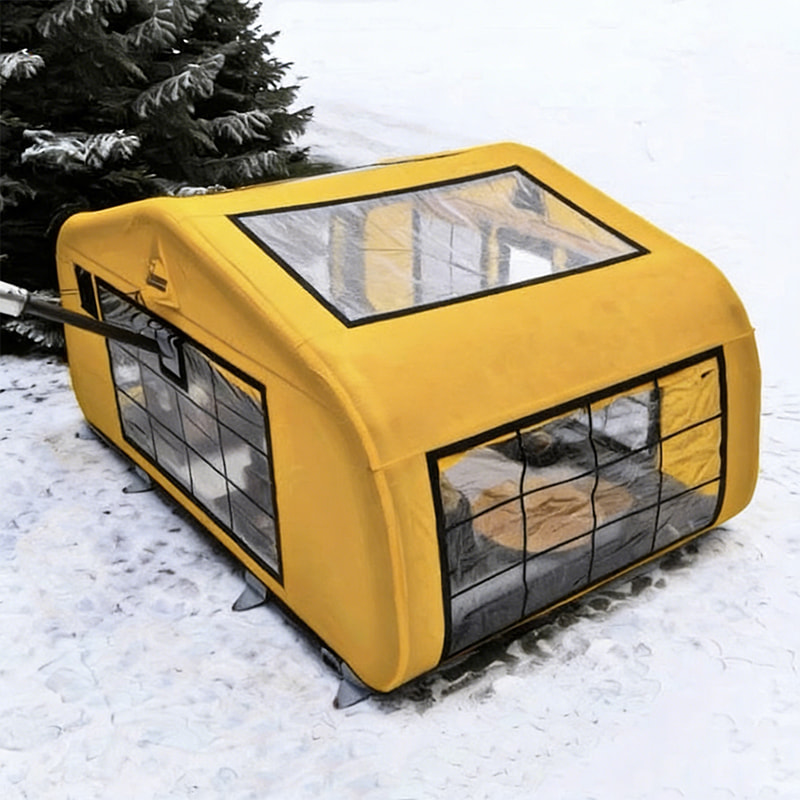 An inflatable tent may look straightforward when it is fully set up, but a custom version usually begins long before fabric is cut or air is added. A buyer may start with a rough sketch, a preferred size, a particular entrance arrangement, or an idea for printed graphics. Turning those requirements into a usable tent involves several connected decisions. For an Oem Inflatable Tent Factory, the work is not simply about producing a tent from a fixed pattern. Custom production requires the design, fabric arrangement, air system, printed areas, sample, inspection process, quotation details, and shipping preparation to remain consistent with the original request. A change made during one stage can also affect another stage later. For buyers, this makes the production process worth examining from a practical point of view. Knowing what happens between the initial idea and the finished product can make communication clearer and reduce confusion when custom requirements are discussed. How Does an OEM Inflatable Tent Factory Turn a Sketch Into a Finished Tent A custom inflatable tent often starts with information that is incomplete. A buyer may send a drawing, reference image, basic dimensions, or a description of how the tent will be used. These materials provide direction, but they do not always explain how every part should be arranged. The factory needs to translate that initial idea into a design that can actually be produced. This usually involves looking at the overall shape, available interior space, entrances, openings, connection points, and areas where different pieces of fabric will meet. A simple sketch might show a rectangular structure with an entrance in the center. During design preparation, however, the position of that entrance can affect nearby seams, internal space, and the way the tent is packed later. This is why a drawing should be treated as a starting point rather than a complete production instruction. A practical design discussion may cover: Overall tent shape and dimensions Entrance and window positions Areas intended for graphics Connection points for accessories Folding and storage considerations Locations of valves and other openings At this stage, communication matters more than visual complexity. Clear information about what the tent needs to do gives the factory a better basis for preparing the design. The design can then move toward a sample. If the sample reveals that an entrance feels too narrow, a graphic sits in an unsuitable area, or an opening interferes with another feature, those details can be adjusted before the production version is prepared. What Parts of an Inflatable Tent Can Be Customized by an OEM Factory Customization does not necessarily mean changing every part of a tent. In many cases, buyers have a specific set of requirements and leave other elements relatively unchanged. The outer shape is one area that can be adjusted. A tent intended for a promotional space may need a different visual arrangement from one intended for a temporary outdoor shelter. Interior space can also influence the design, especially when people need to enter, move around, or place equipment inside. Fabric appearance is another common area for customization. Color combinations, printed graphics, openings, and entrances can be coordinated with the intended setting. Custom Area Questions to Consider Overall shape Does the shape suit the available space? Entrance Where should people enter and exit? Windows Are openings needed for visibility or airflow? Graphics Where should printed elements appear? Color How should different fabric areas be combined? Accessories Which supporting items need to be supplied with the tent? The important point is that these choices are connected. Moving an entrance may change the available printing area. Changing the shape may alter how fabric pieces meet. Adding an opening can also influence nearby construction details. An Oem Inflatable Tent Factory therefore needs a clear set of confirmed requirements before production moves forward. Buyers can make this stage easier by separating essential requirements from optional preferences. For example, a buyer might consider the entrance position essential but regard a particular decorative detail as adjustable. Making that distinction early can make later discussions more straightforward. Why Does Valve Placement Matter in Custom Inflatable Tent Design The valve is a small part of an inflatable tent, but its position can affect how the finished product is used. It needs to be accessible when the tent is being inflated, while also fitting naturally into the overall structure. If a valve is placed in an inconvenient location, connecting the air equipment may become awkward. Its position can also affect how the tent is handled during packing and storage. For a custom design, these practical details should be considered alongside appearance. Valve placement can also be related to the internal arrangement of the tent. A larger structure may have different air sections, while a simpler structure may use a more straightforward arrangement. The exact design depends on the tent itself and the intended use. When discussing valve placement, buyers can ask: Is the valve easy to reach after the tent is positioned? Does its location interfere with graphics or entrances? Can the area around the valve be checked easily? Will the position remain practical when the tent is folded? Does the chosen arrangement fit the overall tent structure? An Oem Inflatable Tent Factory may also consider how the valve area connects with surrounding fabric. The goal is not simply to find an empty place for the valve. Its position should make sense within the complete design. This is a good example of why custom tent production involves more than appearance. A small structural choice can influence setup, handling, maintenance, and storage. How Does an OEM Inflatable Tent Factory Handle Custom Graphics on Curved Fabric Printed graphics can become more complicated when they are placed on curved or irregular sections of fabric. A design that looks balanced on a flat screen may not appear the same once it follows the shape of an inflated surface. For that reason, graphic placement needs to be considered together with the tent design. Large letters, logos, patterns, or other visual elements should not be positioned without considering seams, entrances, windows, and changes in the fabric shape. A useful way to approach the process is to divide the tent into visual areas. Some sections may provide a broad surface for graphics, while others may contain structural features that make printing less suitable. Tent Area Graphic Consideration Broad side panel Suitable space for larger visual elements Entrance area Keep graphics clear of openings Curved upper section Check how the design follows the surface Window area Avoid placing important elements where visibility is interrupted Seam area Consider how separate fabric pieces meet An Oem Inflatable Tent Factory can use the approved artwork together with the physical tent layout when preparing the printed areas. Buyers should also check whether the final graphic arrangement matches the intended appearance rather than reviewing the artwork alone. Small adjustments can sometimes make a noticeable difference. A word may need to move away from an entrance, or a graphic may need to be repositioned so that it does not cross an uneven section. The key is coordination. The artwork should be treated as part of the tent design rather than as a separate decoration added at the end. How Can Buyers Judge an Inflatable Tent Sample From an OEM Factory A sample provides an opportunity to compare the physical product with the original request. It is easier to identify certain issues when looking at an actual tent than when reviewing drawings or digital images. Buyers can begin with the overall shape. Does the sample have the expected appearance when inflated? Are the entrance, windows, and other openings positioned as discussed? Does the graphic placement correspond with the approved design? The next step is to look at details that are easy to overlook. Check whether: The seams appear consistent with the intended construction The valve is located where expected The entrance operates as planned Printed areas match the approved artwork Fabric sections are arranged correctly Accessories correspond with the agreed requirements A sample review is also a useful point for recording changes. Instead of giving general comments such as "change the design," buyers can identify a specific area and explain what needs to be different. An Oem Inflatable Tent Factory can then work from those comments when preparing the next production stage. Clear feedback is especially useful when several custom features are involved. The sample should therefore be viewed as a communication tool as well as a physical product. It creates a common reference that both sides can use when discussing adjustments. How Does an OEM Inflatable Tent Factory Check Air Retention Before Shipment Once the tent has been produced, attention shifts toward whether the structure behaves as expected after inflation. Air retention is particularly relevant because an inflatable tent depends on maintaining its intended shape during use. A factory can inspect areas where air may escape, including seams, valve connections, and other joining points. The inspection is not limited to one visible location because the tent is made from multiple connected sections. The condition of the tent after inflation can also provide useful information. If one area changes shape unexpectedly or a connection does not behave as expected, that section may need closer inspection. For buyers, it is useful to ask what kind of pre-shipment checking is carried out. An Oem Inflatable Tent Factory should be able to explain how the finished product is reviewed before packing. This stage also connects with the sample review. If a particular feature was changed after the sample stage, that feature should receive appropriate attention during production inspection. A practical inspection may consider: General appearance after inflation Condition of seams and joining areas Valve connections Shape of individual sections Printed surfaces Accessories and related components The purpose is not to add unnecessary complexity to production. It is to make sure that the finished tent corresponds with the agreed design and is ready for the next stage. What Should Be Included in an OEM Inflatable Tent Factory Quotation A quotation is easier to review when it describes the product rather than presenting a single price without context. For a custom order, several details can influence what is actually being supplied. The quotation should make the product requirements clear. This can include the tent design, dimensions, material choice, printed graphics, accessories, packaging, and other agreed requirements. Buyers can compare quotations by looking at whether the same product specifications are being discussed. Two quotations may appear different simply because one includes certain accessories or packaging details while another does not. A useful quotation discussion can cover: Tent design and size Material requirements Graphic requirements Included accessories Packaging arrangement Sample requirements Shipping arrangements Any agreed changes to the original design The role of an Oem Inflatable Tent Factory at this stage is closely connected with communication. If a custom feature changes after the initial discussion, the quotation should reflect the updated requirement. Buyers should also avoid judging a quotation by one item alone. The contents need to be read as a complete product description. This helps prevent misunderstandings between the quoted product and the product eventually produced. Clear quotation details can also make later sample checking easier because the buyer has a written reference for what was requested. How Does an OEM Inflatable Tent Factory Prepare Large Tents for Shipping After production and inspection, the finished tent needs to be prepared for transport. Inflatable tents can occupy considerable space when fully opened, so they are normally handled in a folded and packed condition. The folding process needs to take the fabric, valves, seams, printed surfaces, and other components into account. Accessories should also be organized so that they can be identified when the package is opened. Packaging is not simply about making the product smaller. It should also make handling easier and keep related components together. Before shipping, the factory can check whether: The tent has been inspected and prepared for packing Accessories are included as agreed Valves and connection areas are protected during handling Printed surfaces are packed appropriately Packaging information corresponds with the order The packed product is ready for transportation An Oem Inflatable Tent Factory may also communicate packing details with the buyer when the order has particular handling requirements. This can be useful when the tent is part of a larger event setup or when several related components are shipped together. Once the package arrives, buyers can compare the contents with the confirmed order information before putting the tent into regular use. Checking the tent, accessories, graphics, and visible condition at this point gives both sides a clear reference if any issue needs to be discussed. From the initial sketch to the final package, custom inflatable tent production is therefore a sequence of connected decisions. Design choices affect customization, structural details influence setup, graphics need to follow the physical shape, samples provide a reference for changes, and inspection prepares the finished product for shipment. Keeping these stages connected helps buyers communicate their requirements more clearly while giving the factory a practical basis for production.
 -
2026-08-07How Can an OEM Pet Tent Supplier Support Custom Pet Tent Projects
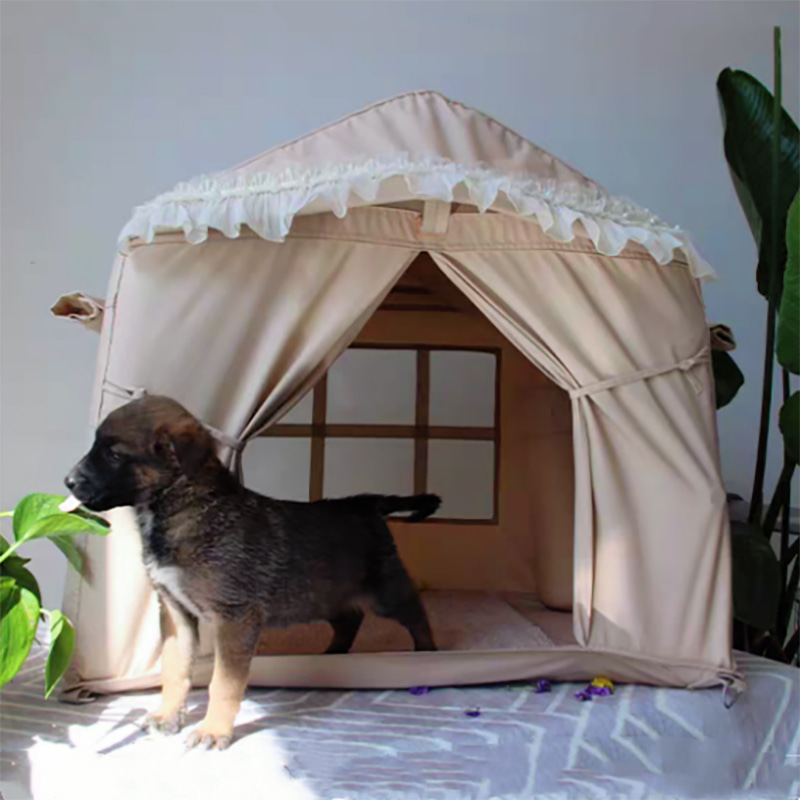 Pet owners care more these days about comfort, design, and how a product actually holds up in daily use when picking out resting spaces for their animals. For pet brands, matching that expectation takes more than grabbing something generic off a catalog page. Design work, material choices, back-and-forth with the factory, quality checks along the way — all of it feeds into whatever ends up on the shelf. Teaming up with an OEM Pet Tent Supplier gives brands room to build custom pet tents shaped around their own market ideas rather than settling for whatever's already made. Instead of trying to manage every production step solo, businesses can lean on manufacturers who've done this before, letting concepts turn into something tangible. Fabric choices, structural tweaks, all the little pieces in between — each one depends on communication actually going both ways. A project tends to go well when there's a solid read on what the customer needs from the start. Pets differ, homes differ, habits differ — so designs really can't be one-size-fits-all. Some buyers want something cozy for indoor use, others need a tent that folds up easily for travel or tight spaces. None of this is purely transactional, either. Brands and manufacturers end up trading ideas, going over samples together, fixing small things, and slowly narrowing in on a product that fits a specific group of customers. When that back-and-forth stays organized, brands spend less time firefighting and more time actually building something good. How Does an OEM Pet Tent Supplier Turn Custom Ideas Into Finished Pet Products Getting from an idea to an actual pet tent takes a few real steps. What starts as a rough design direction usually shifts once materials, structure, and production limits get factored in — and once real user needs enter the picture. A manufacturer with some track record usually starts by digging into what the buyer actually wants. Pet size, product style, material leanings, color direction, packaging — getting these things clear early saves a lot of headaches down the road. The process tends to run through: Talking through concepts and design references Picking materials and structural approaches that make sense Building a sample to actually look at and test Making changes based on what that feedback shows Locking in production details once everyone's happy Each step really leans on the one before it. A design might look sharp on paper but need reworking once the fabric doesn't behave the way expected in real conditions. A compact shape might need adjusting too, just to keep things comfortable and steady once built. Development Stage Main Focus Idea Discussion Product purpose, design direction, customer needs Sample Creation Appearance, materials, structure, details Feedback Adjustment Improving design based on review Production Preparation Confirming final specifications A dependable process like this helps brands land on something that fits their positioning, without communication breaking down somewhere along the way. What Custom Options Can an OEM Pet Tent Supplier Provide for Different Pet Brands Every pet brand tends to chase something a little different. Some want a straightforward indoor tent, others are building around travel and portability. That's really where customization earns its keep — letting different brand identities actually show up in the finished product. Options that tend to come up a lot: Fabric selection Size adjustment Color combinations Shape and structure changes Logo placement Packaging design Looks are only half the story here. Function shapes the experience just as much. A removable cover makes cleanup way less of a chore, and a lighter structure means the tent actually gets moved around instead of sitting stuck in one spot. Custom Area Possible Adjustments Exterior Design Shape, color, patterns Interior Space Size, lining, comfort features Materials Fabric types and surface finishes Packaging Labels, product presentation Before locking in customization choices, it's worth stepping back and thinking about who's actually buying this and how they'll use it. Something meant for a living room setup calls for different thinking than something meant to survive a car trip. A solid OEM Pet Tent Supplier can walk buyers through these options and help land on something that works both on paper and on the factory floor. Which Materials Should Buyers Consider When Working With an OEM Pet Tent Supplier Material choice ends up shaping a lot more than people expect — how the tent looks, feels, cleans up, and holds together over months of use. Fabrics that show up often in this space include: Oxford fabric for everyday use Canvas for a more natural, textured look Mesh for better airflow Soft inner linings for comfort Coated fabrics that wipe down easily There's no single right answer here — it really comes down to where the tent's headed and who's using it. An indoor design might lean toward softness and appearance, while something built for outdoor use needs to hold up against rougher conditions. Production realities matter too, not just the fabric itself. Some materials look great but need different sewing approaches or added support to actually work as a structure. Talking through this early with the manufacturer heads off a lot of frustration later on. Getting the material plan right means weighing looks against practicality against what's actually possible to build at scale. How Does an OEM Pet Tent Supplier Manage Design Samples and Production Process Samples matter a lot in custom work — they're really the only way to judge a product properly instead of guessing from a sketch or a paragraph of description. While building a sample, manufacturers usually go over: Shape and size How the fabric actually looks Stitching and construction details Whatever functional features were planned Whether the whole thing reads as consistent Reviewing a sample isn't a one-way handoff — it's a conversation. Buyers point out what needs tweaking, and manufacturers often chime in with fixes based on what's realistic to build. Once a sample gets a thumbs-up, things shift into production planning — sorting out material availability, scheduling, and the quality checks that need to happen along the way. Keeping communication steady through all of this helps the original vision survive the process, even as small improvements get folded in. Process Part Purpose Design Review Confirm product direction Sample Testing Check appearance and usability Adjustment Discussion Improve details Production Preparation Organize manufacturing steps A workflow that's actually clear tends to cut down on the kind of misunderstandings that slow projects down later. What Should Buyers Prepare Before Starting an OEM Pet Tent Supplier Partnership A bit of prep work upfront tends to save a lot of back-and-forth later. Manufacturers work a lot faster and more accurately once they've got clear information to work from. Worth having ready before reaching out: Product references Who the target customer actually is Material preferences Design requirements Packaging expectations Sales channel details A brief with real substance to it helps a manufacturer size up the project properly, and gives both sides room to hash out adjustments before production ever starts. Honestly, most product headaches trace back to fuzzy communication, not manufacturing mistakes. Handing over solid information early cuts down on repeated do-overs and keeps the whole thing moving. It's also worth thinking a step further ahead — a supplier relationship rarely stays a one-time thing. Future updates, new product lines, extra customization requests tend to follow once the first project's done. How to Choose an OEM Pet Tent Supplier for Your Custom Pet Product Project Picking the right manufacturing partner takes more than flipping through a sample catalog. It's worth checking whether they can actually carry a project from start to finish, not just produce a finished item. Worth digging into: Production Experience — A manufacturer that's already worked in pet products tends to spot design issues and production snags a lot faster. Communication Ability — Clear back-and-forth keeps everyone on the same page about design ideas, changes, and what's actually expected. Custom Development Support — A good supplier talks through different approaches with you, rather than just pointing at whatever's already sitting in their catalog. Quality Management Approach — Regular checks on materials and finished pieces help keep standards from slipping between batches. Evaluation Area Questions Buyers Can Consider Product Development Can the supplier support custom designs? Communication Are ideas and changes discussed clearly? Production Can requirements be organized effectively? Quality Control Are product details reviewed carefully? There's no universal right answer here — it really depends on what the project actually needs. Every brand carries different priorities, so it's worth zeroing in on an OEM Pet Tent Supplier that lines up with your particular direction. What Questions Should Buyers Ask an OEM Pet Tent Supplier Before Cooperation Asking the right questions upfront helps buyers get a real feel for how a supplier actually operates, rather than finding out the hard way mid-project. Worth bringing up early: What customization services are on offer? Which materials work for which kinds of designs? How does sample approval actually work? How do they handle changes once production's underway? What information do they need before starting? Questions like these clear up a lot of ambiguity before things move too far along. They also give buyers a chance to spot friction points early, while there's still time to sort them out. Communication really carries a lot of weight in this kind of work. When both sides share information openly, projects tend to move along with a lot fewer surprises. Tips for Working With an OEM Pet Tent Supplier to Create Market Ready Pet Tents Getting a partnership to actually work well takes steady communication and attention paid to details all the way through, not just at the start. A few things worth doing: Share design ideas early, even the rough ones Give specific feedback when reviewing samples Keep customer needs in mind while adjusting features Stay in touch consistently once production starts Product development doesn't really stop — customer habits shift, trends move, and staying flexible helps brands keep pace instead of falling behind. A partnership between a brand and an OEM Pet Tent Supplier really comes down to steady communication, practical problem-solving, and a willingness to keep refining things. Stick with that approach through the whole process, and the pet tents that come out the other end tend to actually match what the brand set out to build.
 -
2026-07-31How Does a Hunting & Fishing Tent Manufacturer Create Outdoor Shelter Solutions
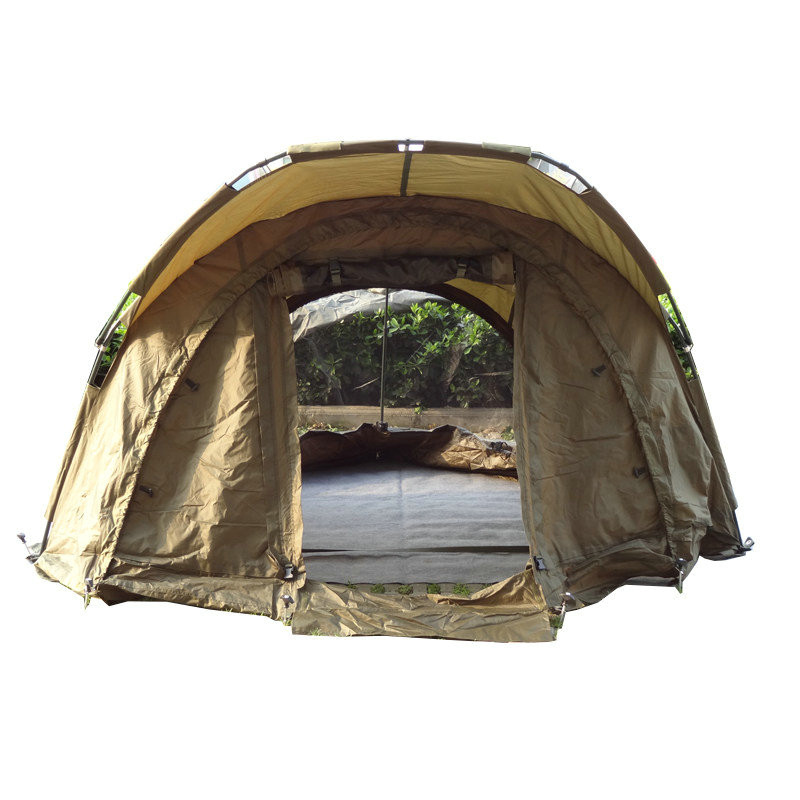 Outdoor shelters carry real weight in outdoor activities where people need a workable space away from shifting weather and terrain. Whether someone is waiting quietly in a wooded area, spending hours near open water, or hauling gear into a remote spot, how a shelter is built shapes how well it holds up once conditions change. Behind any outdoor shelter sits a mix of material choices, structural planning, manufacturing experience, and a clear understanding of what users actually need. A Hunting & Fishing Tent Manufacturer needs to consider more than appearance, as weather exposure, portability, storage space, and product usage all influence the final design. For outdoor brands and buyers, picking a supplier also means getting a sense of how shelters get designed and built in the first place. From fabric sourcing through final checks, every stage leaves a mark on the finished product. A workflow that's genuinely thought through tends to produce shelters that fit the activity they're built for, rather than something generic stretched to cover every use case. How Does a Hunting & Fishing Tent Manufacturer Design Products for Different Outdoor Environments Outdoor settings differ quite a bit from one another, and shelter design has to bend to match. A structure meant for forest observation calls for a different set of features than one built for use beside a river or across open ground. For hunting, users tend to care about staying unseen, keeping noise down, and having a workable space to sit and watch from. The build needs enough room to move around while still keeping the person connected to what's happening outside. Window placement, fabric texture, and how the inside is laid out all shape how well a shelter actually performs once it's set up in the field. Fishing settings bring a different set of concerns. People often stay near water for long stretches, where dampness, wind, and sudden weather shifts can wear on comfort fast. A workable design usually leans on airflow, room for gear, and easy movement in and out. Outdoor Situation Design Considerations Forest activities Reduced visibility, quiet materials, stable framework Riverside activities Moisture control, airflow, room for equipment Open outdoor areas Wind resistance, quick setup, easy transport Matching design to environment is really the core of shelter development. Once a manufacturer understands how a shelter actually gets used, the product tends to fit real conditions rather than a generic brief. What Materials Do Hunting and Fishing Tent Manufacturers Use for Outdoor Performance Material choice shapes how long a shelter lasts, how much it weighs, and how much upkeep it needs. A hunting and fishing tent manufacturer has to pick fabrics and hardware with actual use in mind, not just appearance. Fabric selection sits near the center of this process. Polyester fabric shows up often because it balances outdoor wear against everyday handling reasonably well. Nylon gets considered when a lighter build matters more than raw durability. Water resistance matters just as much. Outdoor shelters run into rain, humidity, and morning dampness fairly regularly. Coatings and fabric treatments cut down on water getting through and make cleanup afterward less of a hassle. Material and structure connect closely too. Heavier fabric adds protection but also adds weight to carry. Lighter fabric helps with portability but needs more careful structural planning to hold up on its own. A few things factories typically weigh during material selection: fabric strength and resistance to tearing, surface treatment for outdoor exposure, weight for easier transport, how simple the fabric is to clean, and how well it pairs with the overall frame. Buyers approach this differently depending on their focus — retailers often look at handling and finish, while end users care more about comfort and day-to-day convenience. Material Area Purpose in Tent Design Outer fabric Shields against outdoor conditions Coating treatment Adds water resistance Mesh sections Supports airflow Support components Holds overall structure together Choosing materials really means balancing several practical needs at once, not settling on a single fabric and calling it done. How Are Hunting and Fishing Tents Produced From Fabric Selection to Final Assembly Production is where design ideas actually turn into a physical product. A working manufacturing process usually runs through several connected stages, from prepping raw material through checking finished shelters before they leave the factory. Work generally starts with reviewing design requirements — confirming sizing, structure, fabric choice, and where accessories will sit before anything gets cut. Once materials are ready, fabric gets measured and cut according to the design layout. Getting this stage right helps keep consistency across a full production run. Sewing connects the individual fabric sections and builds out the main body of the shelter. Stitch pattern, seam placement, and reinforced areas all get attention here, since they directly affect how the finished shelter holds up under regular use. After the main structure comes together, components like windows, doors, storage pockets, and support hardware get added in. From there the finished piece goes through inspection before it's packaged for shipping. A fairly typical production flow runs through design confirmation, material prep, fabric cutting, sewing and assembly, component installation, inspection, and packaging. Manufacturing isn't purely a production task on its own — it depends on ongoing back-and-forth between designers, technicians, and whoever's handling quality checks, making sure the finished shelter actually matches what was originally intended. Why Do Fishing Tent Designs Need Special Consideration for Weather and Water Conditions Fishing often happens in settings where weather shifts without much warning. Because of that, fishing shelter design has to account for moisture, airflow, and general comfort more carefully than some other outdoor categories. Water exposure comes up often. Shelters set up near rivers, lakes, or coastal areas deal with humidity and occasional rain fairly regularly. Materials and build methods need to hold up to that without turning the shelter into something awkward to carry around. Airflow matters just as much. Warm air and moisture building up inside a shelter can make it genuinely uncomfortable to sit in for long. Mesh panels, vent openings, and a thoughtfully arranged interior all help move that air along. Storage also plays into fishing-specific design. People carrying tools, containers, and personal gear need a layout that keeps commonly used items within reach rather than buried somewhere in a corner. Fishing shelter design tends to lean on a handful of things: quick access points, protection from dampness, decent air circulation, organized storage, and reasonably easy transport. For manufacturers, paying attention to these details helps build something that actually fits how fishing enthusiasts spend their time outdoors, rather than settling for a shelter that only covers the basics. What Makes a Hunting Tent Manufacturer Suitable for Outdoor Brands Looking for Custom Solutions Outdoor brands generally need products that line up with their own positioning and what their customers expect. Finding a workable manufacturing partner comes down to clear design communication, flexibility in production, and genuine support through development. A hunting and fishing tent manufacturer can usually offer customization around brand needs — covering fabric choice, structural tweaks, accessory options, and packaging preferences. Before production starts, brands typically need to share a few things: who the intended users are, how the product will actually be used, design preferences, functional needs, and packaging expectations. Solid communication cuts down on misunderstandings as development moves forward. Manufacturers with real outdoor product experience can offer input drawn from production know-how while still respecting the original design intent. Customization goes beyond changing how something looks. It also means adjusting the finer details so the shelter genuinely fits its intended setting. How Can Outdoor Brands Develop Custom Hunting and Fishing Tents With Manufacturers Building a custom outdoor product generally takes cooperation between brand and manufacturer, starting from a rough idea and working gradually toward something finished. The early stage usually involves talking through product requirements. Brands share details about target users, intended activities, and preferred features, and the manufacturer checks whether those ideas can actually be built with available materials and methods. During sample development, both sides look closely at structure, storage layout, fabric, and overall user experience. Adjustments happen based on feedback before the design moves into regular production. A fairly typical cooperation process covers concept discussion, design adjustment, sample creation, feature review, and production preparation. A workable development process really depends on clear, ongoing communication. When manufacturer and brand stay aligned, the finished product tends to land closer to what the market actually needs. Which Features Should Buyers Consider When Choosing a Hunting Tent Manufacturer Choosing a Hunting & Fishing Tent Manufacturer takes more than reviewing product photos. Buyers need to evaluate whether a supplier can support their business needs and maintain consistent production quality. Several factors can help buyers evaluate whether a supplier matches their product requirements: Manufacturing experienceA manufacturer with experience in outdoor shelter production may better understand material selection, structural planning, and application requirements. Communication during developmentClear communication helps avoid misunderstandings when discussing product details, adjustments, and production expectations. Customization supportBuyers may need changes in fabric, size, structure, accessories, or packaging based on their market needs. Quality management processProduction checks, material inspection, and assembly review help ensure the final products match the agreed specifications. Understanding of outdoor applicationsKnowledge of different environments and user habits helps manufacturers provide more suitable product suggestions. Buyers might also ask whether the manufacturer can provide suitable product options, support custom requests, and maintain smooth communication throughout development. A workable partnership depends on clear expectations from both sides. Instead of only comparing product catalogs, buyers can focus on whether a supplier understands their goals and can provide solutions that fit their product plans. What Quality Checks Do Hunting Tent Manufacturers Complete Before Product Delivery Quality inspection carries real weight in outdoor shelter production. Before anything ships out, manufacturers generally review several aspects of the finished product. Fabric inspection confirms materials match what was specified. Sewing checks look closely at seams and connection points. Structural checks confirm hardware and components are installed the way they should be. Manufacturers commonly review water resistance, zipper function, fabric condition, connection points, and how the packaging holds up. These checks catch potential issues before shipment goes out, which makes for a smoother experience once the product reaches the customer. For outdoor gear, quality management ties directly into user safety, how long a product lasts, and how a brand gets perceived over time. A Hunting & Fishing Tent Manufacturer that pays attention across every stage, from early design through final delivery, can better support different outdoor applications. Combining grounded design thinking, well-chosen materials, an organized production line, and careful inspection is really what lets a factory turn a rough concept into a shelter people can actually rely on outdoors.
 -
2026-07-24How Does a Water Floating Tent Change Modern Outdoor Camping
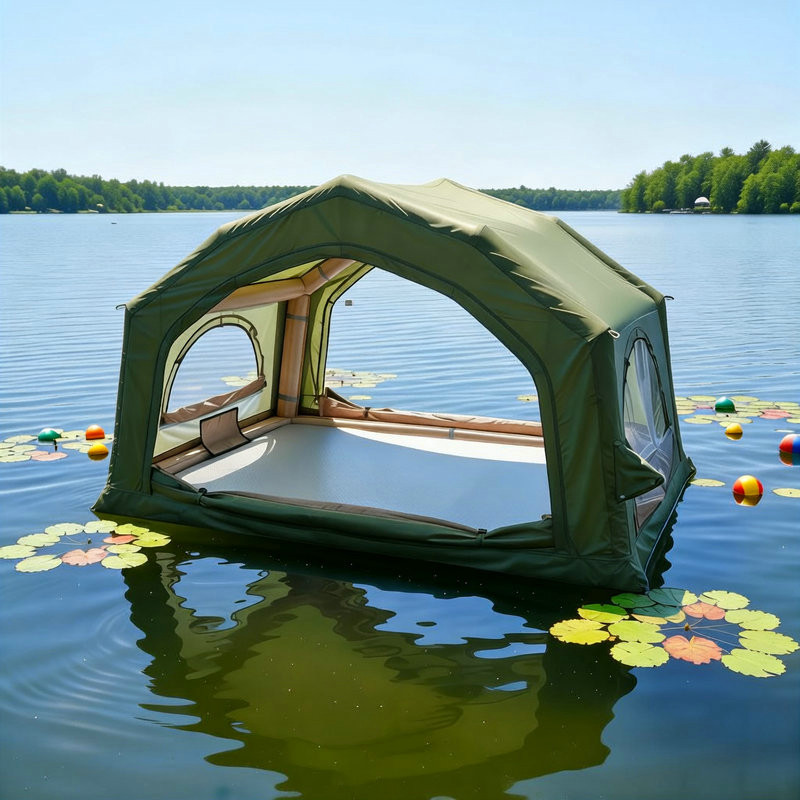 Outdoor camping has moved far beyond a simple ground setup. Many people now look for quieter spaces, softer routines, and a closer connection to water, light, and open surroundings. A floating shelter fits that shift because it changes where people rest, how they move through a campsite, and what kind of comfort they expect from an outdoor stay. The idea is not only about novelty. It is also about changing the daily logic of camping itself, from placement and balance to materials, safety habits, and the way the space feels once it is set up. The growing interest in a Water Floating Tent reflects a wider change in outdoor habits. Some campers want less crowding and a different view. Others care about a setup that can match a lake trip, a slow weekend, or a quiet stay on calm water. For manufacturers, this also raises practical questions about structure, user comfort, and how a product should behave in different water environments. The topics below follow that path in a clear order, from basic use to design choices and buyer concerns. What Is a Water Floating Tent and How Does It Create a New Outdoor Camping Experience At a basic level, a floating tent is a shelter designed to rest on water rather than on soil or sand. That single change affects the whole camping experience. Instead of choosing a flat patch of land, campers think about shoreline access, water movement, wind direction, and how the space will feel during the day and at night. This changes the mood of camping in a direct way. The setting becomes quieter in some cases, more open in others, and more closely tied to the natural movement of water. People are not only sleeping outdoors. They are staying in a space that shifts the usual relationship between shelter and environment. That is part of why a Water Floating Tent attracts attention from both casual users and buyers who want something beyond a standard tent format. A floating setup also changes how people plan the trip itself. The campsite is no longer just a place to arrive and unpack. It becomes part of the water area, which means users think more carefully about access, placement, and timing. That leads to a different kind of camping rhythm, one that feels slower and more deliberate. How Does a Water Floating Tent Stay Stable While Floating on Different Water Areas Stability is one of the main concerns people have before they try this kind of shelter. The answer depends on several connected design choices. Shape matters. Balance matters. The way the base contacts the water matters. Even the distribution of weight inside the shelter can affect how steady the setup feels. A calm lake creates a different condition from a moving river edge or a more open water area. A stable setup is not only about staying upright. It is also about reducing unwanted movement so users can rest, sit, and move inside with less discomfort. The structure needs to work with the water rather than against it. Water Condition Main Concern What the Setup Needs to Handle Calm lake area Gentle movement Balance, comfort, and easy placement Lightly moving water Small shifts in direction Better stability and anchoring support Open shoreline water Exposure to wind Shape control and secure positioning Narrow water edge Space limits Compact setup and careful access For users, the practical question is whether the shelter stays usable once it is on the water. For manufacturers, the question is how to design a floating base and shelter body that remain steady without making the product hard to move, store, or deploy. That balance shapes the user experience more than any single feature. What Materials Are Used in a Water Floating Tent and How Do They Affect Daily Use Materials affect more than appearance. They influence how the shelter handles moisture, how it feels in use, how easily it can be cleaned, and how long it stays functional under outdoor exposure. A floating product needs materials that can tolerate water contact while still remaining practical for storage and transport. Outer fabrics need to resist damp conditions and repeated outdoor use. Reinforced parts help protect high-stress areas. Seams and connection points matter because those are often the places where wear becomes visible first. The base structure also has a direct effect on comfort, since it influences how much movement reaches the user. Material Area Role in Use User Impact Outer cover Protection from the environment Helps keep the shelter usable in wet conditions Base support Floating and balance Affects steadiness and movement Connection points Holding the structure together Influences durability and maintenance Interior layer Comfort and usability Shapes the feeling inside the space Material choice also affects the daily routine around the shelter. A surface that dries more easily is easier to manage after use. A stronger support layer can make the setup feel more reliable. In this sense, material selection is not only a production issue. It is also part of the user experience from arrival to pack-up. How Does a Water Floating Tent Work From Design to Outdoor Use Design is where the product becomes more than an idea. A floating shelter needs a structure that can carry weight, remain usable on water, and still offer enough comfort for practical camping. That means the designer must think about shape, access, interior layout, and the way users will enter, leave, and move inside the space. A useful design usually starts with the basic question of balance. The shelter should feel steady enough for resting, sitting, and light movement. Then comes the question of space. There needs to be enough room for users without making the setup bulky or hard to manage. After that, the design has to support real outdoor habits such as packing, cleaning, and storage. Manufacturing choices follow the same path. A product built for water use cannot rely on looks alone. It needs a structure that matches the conditions it will face outside. That is why the design stage is closely tied to function, and why a Water Floating Tent needs more planning than a simple land-based shelter. How to Choose a Water Floating Tent Based on Different Camping and Recreation Needs Not every user wants the same experience. Some are looking for a quiet place to rest near the shore. Others want a shelter for leisure activities or a short outdoor trip with friends or family. Because the uses vary, the choice should be based on real needs rather than appearance alone. A buyer may begin by asking where the shelter will be used. Calm water, shoreline use, and short recreational stays all create different demands. After that, it helps to think about space, ease of setup, and how much movement the user is willing to accept. A compact setup may suit one type of trip, while a larger one may fit another. A simple buyer checklist can help keep the decision practical. Check whether the shelter suits the expected water setting. Look at how much setup effort is involved. Review the inner space based on the number of users. Pay attention to access, storage, and cleaning needs. Confirm whether the structure matches the intended trip style. The point is not to find a universal answer. It is to match the shelter to the kind of outdoor use it will actually see. That approach is more useful than judging by appearance or assuming one style will fit every setting. What Safety Tips Should Users Know Before Using a Water Floating Tent Outdoors Safety is a normal part of any water-based outdoor activity, and a floating shelter is no exception. Before use, people should check the water area, weather conditions, and the overall level of movement at the site. A calm environment usually makes the setup easier to manage, while changing conditions can create extra strain on the structure and on the user experience. It also helps to think about access. Getting in and out of the shelter should be straightforward and controlled. If the path from shore or platform to the shelter is awkward, the overall experience becomes less practical. Preparation matters because water conditions can shift faster than land conditions, and a good routine can reduce avoidable problems. Users should also avoid treating floating use as a casual extension of ground camping. The setting is different. The movement is different. The placement rules are different. Those differences shape how the shelter should be used from the start. How Is a Water Floating Tent Designed and Manufactured for Water Environments A manufacturer has to think beyond the visible shape of the product. The shelter must respond to water contact, repeated movement, and outdoor storage habits. That means the design process is part engineering, part usability planning, and part production control. The first concern is structural logic. The shelter needs support where stress is likely to appear, especially around the base and connection areas. The second concern is how the materials behave when exposed to damp conditions. The third is how the user will interact with the product after it leaves the factory. If a product is hard to pack, hard to clean, or awkward to move, the user experience suffers even if the structure looks sound. Manufacturing for water environments often depends on small decisions that affect the final result. The way seams are handled, the way supports are joined, and the way the shelter is assembled all influence reliability. For a manufacturer, these details are part of the product message just as much as the external design. What Questions Should Buyers Ask a Water Floating Tent Manufacturer Before Ordering Before ordering, buyers should ask questions that reveal how the product is built and how it will behave in use. The focus should stay on practical details rather than broad promises. A useful conversation often starts with the water setting, the intended use, and the level of support needed for the trip. Buyers can ask how the shelter is designed to handle water movement, which materials are used in the main body, and how the structure is assembled. It also helps to ask about cleaning, storage, and any special handling needs after use. These questions make the buying process clearer and reduce the chance of misunderstanding later. For business buyers, the discussion may also include production consistency, customization needs, and the type of support available after purchase. Those topics matter because they affect how well the product fits a long-term supply plan. What Makes a Water Floating Tent Part of the Future of Outdoor Camping The appeal of floating camping is not only visual. It reflects a real shift in how people think about outdoor time. Some campers want a quieter environment. Some want a new setting. Some want a shelter that feels more connected to water-based recreation. That makes the floating format more than a novelty item. It becomes part of a broader change in campsite expectations. For users, the main value is the altered experience. For manufacturers, the challenge is to create a shelter that remains practical, stable, and comfortable in actual use. That combination is what gives the product its place in modern outdoor camping. A Water Floating Tent works because it answers a new kind of demand: a campsite that moves with the water, rather than standing apart from it.
 -
2026-07-17What Should You Know About an Inflatable Camping Cabin
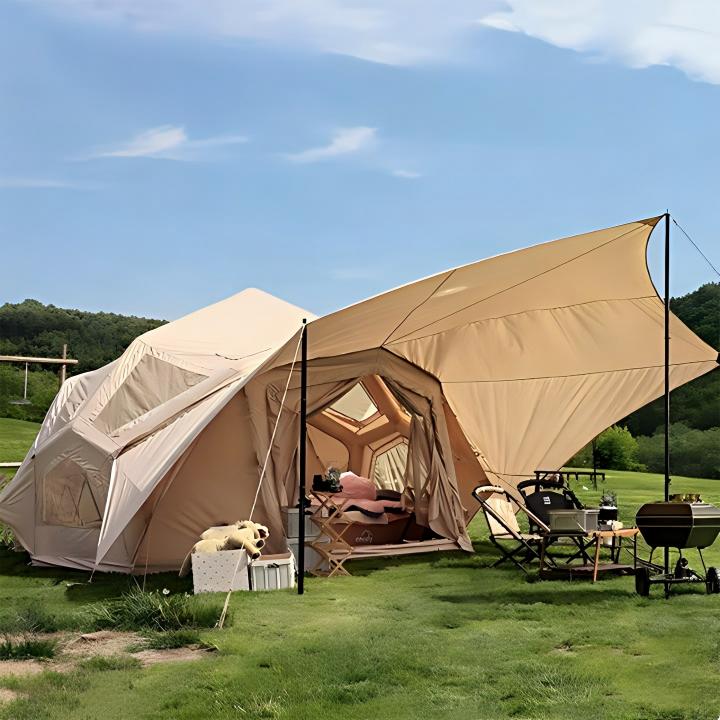 Outdoor camping has changed in quiet but noticeable ways. People still want fresh air, open space, and a break from routine, but they also pay more attention to comfort, setup time, and how a shelter fits real use. That is where the idea of an inflatable shelter becomes interesting. It is not only about having a place to sleep. It is about whether the space supports family time, short trips, different weather, and the pace of the trip itself. An Inflatable Camping Cabin usually attracts attention because it sits between a traditional tent and a more structured outdoor shelter. The layout feels familiar enough for campers who want a room-like space, yet the setup process can be simpler than many rigid-frame options. That balance is part of its appeal. People are not only asking whether it works. They are asking how it fits the way they travel, rest, store gear, and move from one campsite to another. Before comparing designs, materials, or customization choices, it helps to look at the broader questions people often have. What kind of camping use does it suit. How much comfort can it offer. Which details matter when the weather changes. And what should a buyer check before making a decision for personal use or business supply. Why Are More Outdoor Enthusiasts Interested in an Inflatable Camping Cabin Outdoor enthusiasts often look for gear that saves time without feeling fragile or awkward to use. That is one reason inflatable structures have gained attention. They reduce the need for complicated poles and can create a clearer interior layout. For many campers, that means less effort at setup and more time for the trip itself. Another reason is flexibility. A shelter like this can work for family trips, casual weekend stays, or longer outdoor breaks where comfort matters. Some campers want a place to change clothes easily, keep bags off the ground, or create a private corner for rest. A room-like layout can help with that. It also matches a broader shift in camping habits. Not everyone wants a bare-bones experience. Many people still enjoy outdoor living, but they prefer a space that feels organized and calm. That is especially true when children, pets, or mixed gear are part of the trip. Common reason What campers usually care about Easier setup Less time spent assembling shelter parts Clear interior layout More usable room for sleeping and storage Flexible use Works for family, leisure, or short stays Familiar feel A space that feels more like a cabin than a small tent What Should You Know Before Choosing an Inflatable Camping Cabin for Family Camping Family camping changes the way shelter is judged. It is not enough to ask whether it can hold people. The more useful question is how the space behaves once bags, shoes, bedding, and daily routines are inside. A family may need separate areas for sleeping and general activity. A child may need room to move around safely. Adults may want enough space to sit upright, keep items sorted, and avoid clutter at the entrance. If the shelter feels cramped, the trip can become tiring even in good weather. Ventilation matters as well. Families often spend more time inside during rest periods or light rain, so airflow is part of comfort. Doors and windows should support a steady exchange of air without making the interior feel exposed. Storage pockets, gear loops, and simple internal organization can also make a difference. For family use, another point is packability. Even a shelter with a practical floor plan can be difficult to handle if it takes too much effort to transport or store. That is why buyers often look at how the unit folds, how much space it occupies when packed, and whether the carry process feels manageable. An Inflatable Camping Cabin for family use usually works best when the interior is easy to understand at a glance. People do not want to spend time decoding the space after arrival. They want to settle in quickly and use it in a natural way. Which Features Make an Inflatable Camping Cabin More Comfortable for Weekend Adventures Weekend trips usually move quickly. People arrive, set up, eat, rest, and pack out with limited time in between. That means comfort often depends on how smooth the shelter feels in practice, not just how it looks in a product photo. Some features matter more than others. Entry height can affect how easy it is to step inside with bags or shoes. Window placement can influence airflow and light. Internal ceiling shape can affect whether the space feels open or enclosed. Even small details, like where zippers sit or how the floor edge is finished, can change the experience. Comfort also comes from the way the space supports simple habits. A place to keep a lamp, a side pocket for small items, and a layout that leaves the center clear can make a short trip feel less crowded. Campers often do not need luxury. They need order, privacy, and enough room to move without bumping into gear. Feature Why it matters Entry design Helps people enter and leave without hassle Window layout Supports air flow and daylight Interior shape Affects the sense of openness Storage details Keeps the living space cleaner and easier to use In short, comfort is often a result of small design choices working together. A shelter can feel more relaxed when the parts that people touch every day have been thought through with care. How Can You Choose an Inflatable Camping Cabin That Fits Different Camping Environments Camping environments vary more than people expect. Grass, sand, gravel, and compact soil all create different demands. A shelter that feels steady on one surface may feel awkward on another. That is why terrain should be part of the decision from the start. Wind is another factor. A sheltered forest site is not the same as an open field or a coastal area. In exposed places, the anchoring system and overall shape matter more. The structure should sit in a way that feels settled, not loose. Rain also changes the picture, since drainage around the base and roof behavior can affect comfort inside. Seasonal use can guide the choice too. In warmer periods, airflow may matter more than insulation. In cooler periods, the focus may shift toward warmth retention and reduced drafts. Some campers need a shelter for one kind of trip, while others want a unit that can handle a wider range of settings. The point is not to make the shelter do everything. The point is to match it with the places where it will actually be used. Environment What to check Grass or soft ground Anchoring and base stability Sand Secure fixing and ease of cleanup Gravel Floor protection and abrasion resistance Open or windy sites Shape stability and tie-down points An Inflatable Camping Cabin that fits the setting will feel easier to live with. It will also place less stress on the user, since less correction is needed after setup. What Details Matter When Comparing Different Inflatable Camping Cabin Designs Design comparison is often where buyers move from general interest to serious evaluation. Two shelters may look similar from a distance, but the difference can appear in the fabric feel, seam layout, door design, or floor arrangement. Fabric choice affects everyday use. Some materials feel lighter and easier to handle, while others give a heavier, steadier impression. The floor needs attention as well, since it faces dirt, moisture, and repeated movement. If the floor layout is awkward, cleaning becomes harder and the interior can feel less tidy. Air chamber layout is another factor. Some designs distribute support in a way that feels balanced. Others may create areas that seem too narrow or too close to the wall. Doors and vents should also work together rather than compete with each other. A shelter can have many openings and still feel poorly arranged if they are placed without clear intent. Repair access is worth checking too. People do not usually think about small maintenance until a problem appears. A design that allows easier patching or part replacement can save time and reduce frustration later. Which Customization Options Can Add More Value to an Inflatable Camping Cabin Project Customization matters in both consumer and business settings. For some buyers, it is about matching camping habits. For others, it is about brand identity, market fit, or product positioning. Either way, customization should solve a real need rather than add features for their own sake. Size is one of the clearest options. A family-focused model may need a different interior plan than a version aimed at short leisure stays. Layout changes can also shape the user experience. A single open area feels different from a divided space with separate functional zones. Exterior color and visible details may also matter, especially for buyers who want the product to feel coherent with a brand line. Accessory choices can add practical value as well. That may include extra vents, storage points, reinforced edges, or simple add-ons that make use easier. For commercial buyers, packaging and labeling can matter alongside the shelter itself. A product that is easier to present, store, and explain often fits market use more naturally. How to Find an Inflatable Camping Cabin Manufacturer That Matches Your Business Needs Choosing a manufacturer is not only a matter of price. It is about whether the supplier can handle communication, consistency, and the practical shape of the order. A reliable partner should be able to discuss materials, design changes, and production details in a clear way. Quality control is part of that conversation. A business buyer often needs confidence that repeated orders will stay close to the approved sample. That means the process before shipment matters as much as the final item. Sample review, production communication, and packing checks all belong in the evaluation. It also helps to understand whether the supplier can support different order sizes and project stages. Some buyers may begin with a small test run. Others may need a broader supply plan. In both cases, response time, clarity, and consistency are meaningful signals. An Inflatable Camping Cabin supplier should feel like a working partner, not only a source of goods. When the relationship is practical and transparent, fewer problems tend to appear later. How Does an Inflatable Camping Cabin Change the Way People Enjoy Outdoor Camping The change is not dramatic in the sense of replacing camping itself. It is more subtle. It shifts the experience from basic shelter toward a more organized outdoor living space. That can affect how people pack, how they rest, and how they use their time at camp. Setup becomes part of the experience instead of a burden. The campsite can feel more settled earlier in the trip. Families may find it easier to manage routines. Leisure campers may feel less pressure to sacrifice comfort in order to stay outdoors. People who camp often begin to notice that a shelter is not just background equipment. It shapes how the whole trip feels. A well-planned Inflatable Camping Cabin can support that shift by giving the user a space that is simple to understand, practical to use, and adaptable to different trip styles. It does not need to do everything. It only needs to fit the way people actually camp. That is often what makes the category interesting. It speaks to a more realistic kind of outdoor use, one where comfort, ease, and layout all matter in ordinary situations.
 -
2026-07-10How to Choose the Right Inflatable Family Camping Tent
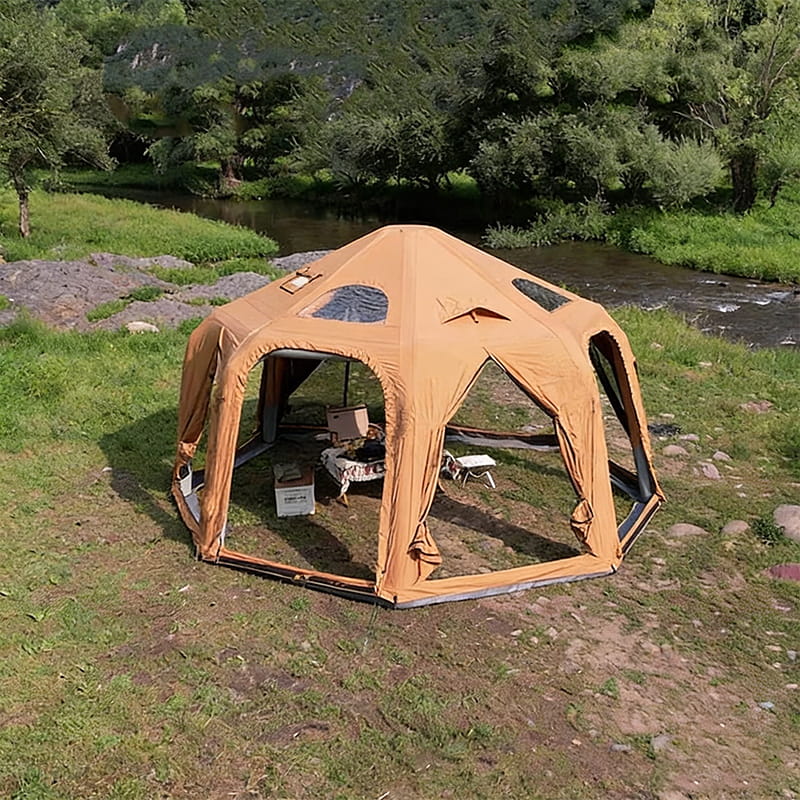 Family camping looks simple from the outside. A few bags, a place to stay, and a clear patch of ground can seem enough. In practice, the shelter shape and layout matter much more than many people expect. The wrong choice can make a trip feel cramped, awkward, or harder to manage than it should be. The right one tends to disappear into the background and let the trip feel more relaxed. An Inflatable Family Camping Tent is often chosen for that reason. It changes the setup process and can create a roomy interior without the usual pole structure. Even so, comfort does not come from the air frame alone. The size, material, openings, and daily use pattern all shape how the tent performs once it is in place. Families usually notice that a shelter works well only when it matches the way they actually camp, not the way it looks in a product photo. Before narrowing the options, it helps to think about the real purpose of the tent. Some families only need a sleeping area for short weekend trips. Others want a space where children can move around, where bags stay out of the way, and where people can sit inside when the weather turns. That difference changes the choice more than any single feature. What Should You Know Before Choosing an Inflatable Family Camping Tent A good starting point is simple: who will use it, and how often. A couple traveling with one child may need a different interior layout from a larger family that brings extra bedding, food storage, and outdoor gear. If the tent will be used mainly for sleeping, the interior can stay fairly simple. If it will also serve as a living space, then standing room, open floor area, and easy movement become more important. It also helps to think about the ground where the tent will be placed. Soft grass, packed soil, and sandy ground each create different demands. A shelter that feels stable in one place may need extra care in another. Families who camp in changing outdoor settings usually benefit from a design that is easier to secure and easier to adjust. A few practical questions can narrow the field quickly: Will the tent be used for short stays or longer trips? Does the family need one open room or separate areas? Is easy packing more important than extra interior space? Will the tent need to handle changing weather conditions? The answers shape the purchase more than broad product claims do. A tent that looks spacious can still feel inconvenient if the layout does not fit the camping style. Selection Point What to Check Family use Sleeping only, or shared indoor time as well Space layout Open interior, storage corners, or divided zones Travel needs Easy carrying, simple packing, or larger capacity Outdoor setting Grass, soil, sand, or mixed ground conditions How to Choose an Inflatable Family Camping Tent That Fits Your Family Size and Outdoor Plans Size is not only about the number of sleepers. It also affects how easy it is to move around inside, where bags are placed, and whether the space feels calm or crowded after a long day outdoors. A family with children may want a bit more room than the sleeping count alone would suggest. That extra space can make it easier to change clothes, store gear, and keep the area from feeling cluttered. Outdoor plans matter too. A short overnight stay does not ask for the same setup as a multi-day family trip. For a brief outing, some families may prefer a simpler design that packs down easily. For longer use, the internal layout becomes more important because people spend more time inside the shelter. In that case, comfort is often tied to how naturally the space supports everyday routines. The better question is not only "how many people fit," but "how will the space be used." That framing tends to lead to more practical choices. A tent with a large sleeping area but little usable floor space may not feel as useful as a slightly smaller one with a better layout. What Features Should You Look for When Buying an Inflatable Family Camping Tent for Outdoor Use A shelter used outdoors should feel dependable without being complicated. The main features often come down to a few areas that work together rather than one standout detail. Fabric choice matters because it affects both durability and comfort. A suitable outer layer should handle outdoor conditions while still feeling manageable during setup and storage. The seams and connection points are just as important, since weak joins can create problems after repeated use. Airflow is another factor that families notice quickly. Warm weather can make a closed tent feel heavy and still. Openings placed in sensible locations help keep the inside more comfortable. Ventilation does not need to be dramatic; it just needs to be planned well enough to support daily use. A simple way to compare features is to look at what each part helps with: Fabric and seams help with outdoor exposure. Openings and vents help with airflow. Floor design helps with comfort and ground contact. Interior shape helps with movement and storage. The frame structure also influences ease of use. With an Inflatable Family Camping Tent, many buyers value a setup process that does not feel tiring after travel. If the tent can be inflated and secured without a complicated sequence, it becomes easier to use often rather than only on special occasions. How Does an Inflatable Family Camping Tent Adapt to Different Weather Conditions Weather changes the way families use a tent. On a warm day, airflow can matter more than almost anything else. On a wet day, the focus shifts to keeping the interior dry and reducing dampness at ground level. In cooler conditions, the shelter needs to hold together as a calm indoor space rather than feeling open or exposed. That is why weather handling should be read as part of the overall design, not as a separate feature. A tent can have a spacious layout and still feel uncomfortable if it traps heat or lets moisture collect. It can also appear sturdy while still being awkward to use if the openings are poorly placed. For families that camp in different seasons or in changing outdoor settings, these points deserve attention: How the tent handles rain around seams and entry points Whether airflow can be adjusted in warmer weather How the structure behaves when conditions change during the day An Inflatable Family Camping Tent is often chosen because it can feel less rigid and more adaptable than some other outdoor shelters. That flexibility becomes useful only when the rest of the design supports it. Comfort outdoors is usually built from small details that work together rather than one dramatic feature. How to Set Up and Maintain an Inflatable Family Camping Tent for Outdoor Trips Setup is often where expectations meet reality. A shelter may look simple on a product page, but the way it is handled outdoors can change the whole experience. Families usually appreciate a tent that does not require a long learning curve, especially when daylight is fading or children are waiting nearby. A clear setup process reduces pressure and makes the trip feel more orderly from the start. For an Inflatable Family Camping Tent, the main advantage is often the structure itself. Without fixed poles, the tent can feel easier to manage during assembly, but it still needs careful handling. The ground should be checked before inflation, and the tent should be placed where the surface is as even as possible. Small stones, sharp sticks, or uneven patches can affect comfort and stability later on. Maintenance matters just as much as setup. After each trip, the fabric should be cleaned lightly and left to dry fully before storage. Folding the tent while it is still damp can create problems that are hard to notice at first. It is also useful to check the air structure, zippers, and entry points before packing everything away. These steps do not take much time, but they help the tent stay usable over time. A practical routine may look like this: Place the tent on a clean, even surface. Check the ground before inflation. Let all parts dry before storage. Inspect the fabric and air system after use. Inflatable Family Camping Tent vs Traditional Tent What Should Families Consider Before Choosing Comparison often becomes useful when families have already narrowed their options. Traditional tents and inflatable designs serve similar purposes, but they do not always suit the same habits. Some families care most about setup convenience. Others care more about a familiar structure or a lighter packing style. The better choice depends on how the tent will actually be used. Traditional tents are often associated with a more familiar frame structure. Some users prefer that sense of predictability. Inflatable designs, on the other hand, are often chosen for their different setup method and the feeling of open interior space. Neither approach is right for every family. What matters is whether the tent matches the pace and style of the trip. Point of Comparison Inflatable Design Traditional Design Setup style Uses air-supported structure Uses fixed poles and frame parts Interior feel Often creates a more open layout May feel more segmented Packing approach Depends on air structure and fold size Depends on pole sections and fabric User preference Often suited to families wanting a different setup process Often suited to those familiar with pole-based tents Families who move between different camping environments may also think about how much time they want to spend on preparation. If a tent is meant to support relaxed weekends or family trips, setup ease may matter more than a familiar frame style. If the trip is usually short and simple, a traditional option may still be enough. The decision becomes clearer when the focus stays on use, not labels. How Can an Inflatable Family Camping Tent Support Comfortable Family Camping Experiences Comfort in camping is usually built from small, practical details. A shelter does not need to feel luxurious to be useful. It only needs to support the routines that matter during a trip. People need a place to sleep, a place to store things, and enough room to move without constant adjustment. When those needs are met, the shelter becomes part of the trip rather than a problem to solve. An Inflatable Family Camping Tent can help create that feeling when the interior is laid out well. Families may use one side for sleeping and another for bags or shoes. Children may need a little more room to move during the day. In that case, the inside space should feel open enough to handle different activities without becoming crowded. Comfort also depends on how the tent handles daily rhythms. Morning light, evening rest, and changes in weather all affect how the inside space is used. A shelter with well-placed openings and a practical floor plan gives families more control over those moments. The tent does not need to do everything. It only needs to support the way the family spends time outdoors. Some families also pay attention to the feeling inside the shelter after a long day outside. A space that is easy to settle into often matters more than one that looks impressive from the outside. That is one reason interior flow, storage placement, and simple access points deserve attention during selection. How to Choose a Reliable Inflatable Family Camping Tent Manufacturer for Custom Orders For buyers working with a manufacturer, the process is slightly different. The focus is not only on product use but also on whether the supplier can understand practical requirements and turn them into a usable result. Clear communication matters here because custom orders depend on detail. A tent that is made for one use case may not suit another unless those needs are defined early. A reliable manufacturer should be able to discuss materials, structure, layout, and finishing in clear terms. Buyers should also ask how the product is made, how design changes are handled, and how the final product is checked before shipping. These questions are not about adding complexity. They help reduce confusion later. Before placing a custom order, it helps to review a few points: Whether the manufacturer understands family camping use Whether layout changes can be discussed clearly Whether the material and structure match the intended setting Whether sample review or detail confirmation is part of the process Custom work is often most useful when the product is meant for a specific market or usage pattern. A family camping shelter may need different interior spacing, entry design, or ventilation placement depending on where it will be used. The more clearly those needs are defined, the easier it is for the manufacturer to produce something practical. An Inflatable Family Camping Tent made through a custom process should still feel easy to use, easy to store, and suitable for repeated outdoor trips. That is usually the point where manufacturing decisions and end-user needs meet.
 -
2026-07-03What Can You Learn From a Pop-Up Tent Factory
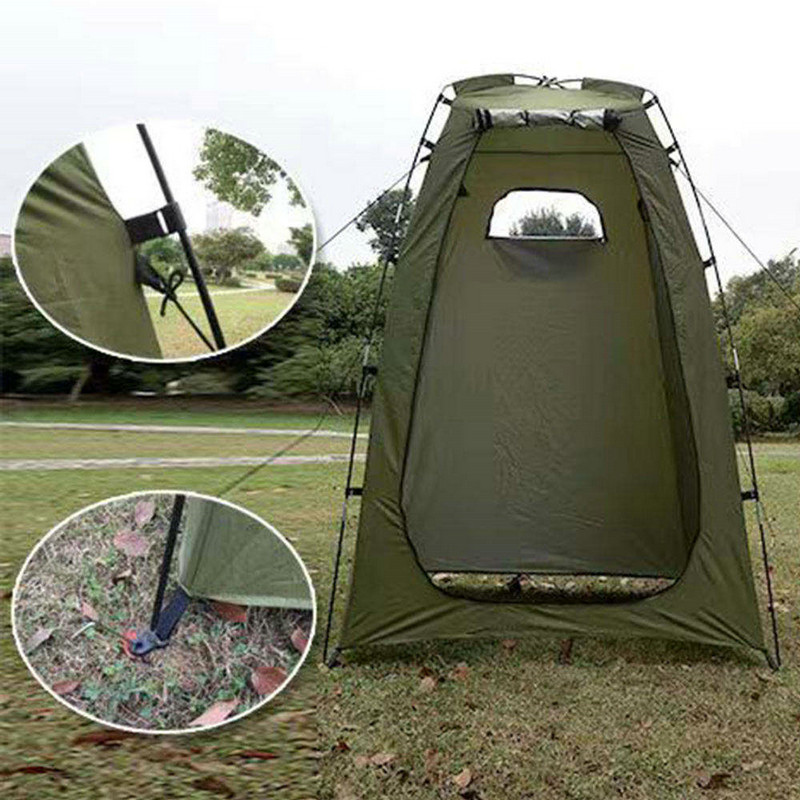 A folding tent may look simple when it is set up in an open space, but the path from raw material to finished product is much more layered than it seems. Fabric has to be prepared. Metal parts need shaping. Sewing, fitting, checking, and packing all come into play before the final item is ready to leave the workshop. When these steps are seen together, the product starts to make more sense. Working with a Pop-Up Tent Factory gives buyers a closer view of that process. It shows how material choice affects daily use, how small production details shape the final fit, and how different teams handle their part of the work. For many buyers, that kind of visibility matters more than polished sales language. It helps them ask better questions and compare options with a clearer eye. What Happens Inside a Pop-Up Tent Factory Before a Tent Reaches the Customer Before anything is packed for shipping, the work has already moved through several stages. Materials arrive separately, not as a finished tent, and each part follows its own route through the workshop. The fabric, frame pieces, connectors, and accessories all need to be prepared in a way that keeps the full order aligned. Stage What Usually Happens Material check Fabric and frame parts are reviewed before use Cutting and shaping Panels and metal pieces are prepared for assembly Sewing and joining The canopy and related parts are put together Inspection Function, appearance, and fit are checked Packing Finished items are arranged for transport That order may seem straightforward, but it depends on constant coordination. If one part falls behind, later steps have to wait. If a material is not ready, the team may need to adjust the schedule or shift attention elsewhere. In that sense, production is not only about making a product. It is also about keeping the process steady. There is also a practical side that buyers often overlook. A clean workflow can reduce confusion later in the order. When each stage is organized, the final product tends to move through the line with fewer interruptions. That does not make every order identical, but it does make the process easier to follow. How Does a Pop-Up Tent Factory Turn Fabric and Metal Into Ready to Use Tents The transformation starts with preparation. Fabric is cut into panels that will later form the canopy, walls, or other parts of the structure. Those panels are not treated as loose pieces for long. They are moved into sewing and joining stages where shape and fit start to take form. Metal parts follow a different path. Tubes, joints, and support sections are shaped and arranged so they can work as a frame. Once the frame is ready, it has to move in a way that suits folding and opening. If the movement feels awkward during testing, the issue usually shows up early enough to correct it. A few practical points matter here: Fabric panels need clean edges and steady dimensions. Frame parts should align without forcing the structure. Sewing should support the shape instead of pulling it out of balance. Accessories must match the model they are attached to. The two main material groups, fabric and metal, are handled separately for much of the process, but they meet in the assembly stage. That is where the product begins to look complete. A cover that was flat a short time earlier is now attached to a structure that can be opened, folded, moved, and stored. The work is not dramatic, but it is precise. Which Production Steps in a Pop-Up Tent Factory Have the Biggest Impact on Tent Quality Quality rarely comes from one step alone. It usually grows from several smaller decisions made across the line. Cutting, stitching, joining, and assembly all matter. If one of those steps is rushed or handled loosely, the effect may show up later in use. The cutting stage matters because parts that do not match well are harder to bring together later. Sewing matters because seams carry stress during regular handling. Frame preparation matters because repeated opening and folding places pressure on moving parts. Assembly matters because the full product only works properly when all of those separate pieces fit together as a unit. Sometimes buyers focus too quickly on the finished look. A neat surface is useful, but it does not tell the whole story. A tent can appear orderly at first and still feel awkward in use if the inner fit is not handled carefully. That is why production details deserve attention. They are not visible in the same way as the outer appearance, but they shape how the product behaves after it leaves the workshop. In a Pop-Up Tent Factory, the strongest signals of quality often come from small habits in the process rather than from one dramatic inspection step. Clean seams, even alignment, smooth movement, and stable attachment points all point in the same direction. How Does a Pop-Up Tent Factory Check Every Tent Before It Is Packed and Shipped Inspection is often treated as the final step, but it is really a practical checkpoint. The product is reviewed while there is still room to adjust small problems. That makes the stage useful, not ceremonial. The team usually checks the following areas: Surface condition and visible marks Stitching and seam alignment Frame movement during opening and folding Fit between canopy and structure Accessories and packing items One important part of this stage is repeat use. A frame may be opened, closed, and adjusted more than once before it is packed. That gives workers a chance to notice friction, loose points, or parts that sit unevenly. It also helps them see whether the product behaves in a way that feels consistent. Packing is part of the same mindset. A well-made tent still needs a careful place in the carton or bag. When the packing step is handled with attention, the product is more likely to arrive in a usable condition. By the time an order leaves a Pop-Up Tent Factory, the finished tent has already passed through many hands. Some stages are visible, others are not, but each one adds something to the final result. That is what gives the production process its value: not a single moment, but a sequence of ordinary steps done with care. How Does a Pop-Up Tent Factory Handle Custom Logo Size and Color Requests Customization usually starts in a less direct way than people expect. A drawing comes in, sometimes clean, sometimes only a rough idea. Before anything reaches fabric, there is usually a stage where proportions are adjusted so the logo does not sit awkwardly once the tent is opened. Color is another point that does not always behave the same on different materials. A shade on screen can shift slightly once printed on fabric. Not dramatically, but enough that small checks are needed before full production moves forward. Inside a Pop-Up Tent Factory, this part of the work is usually divided rather than handled in one step. Design, printing, and assembly follow each other, but they also overlap in practice. Stage What Happens in Practice Layout adjustment Logo position and size are adjusted to structure Color check Printed sample is compared with fabric tone Small sample run A limited piece is produced for visual check Production setup Printing and cutting prepared for order Assembly match Printed parts integrated into frame structure Nothing here is rushed into full output immediately. Even small alignment issues tend to show up only after fabric is stretched over the frame, so adjustments are usually made earlier rather than later. What Should Buyers Ask Before Choosing a Pop-Up Tent Factory for Bulk Orders Buyers often start with very direct questions, but the answers usually depend on how the factory organizes its internal work. That is where things become more practical. Instead of focusing only on the product itself, it helps to understand how changes are handled once production has started. Some workshops allow flexibility during sampling, while others lock details earlier in the process. This difference matters more than it first appears. Communication flow is another detail. In some cases, updates move through a single contact point. In others, information comes from different teams at different stages, which can feel less linear but more direct. A Pop-Up Tent Factory that has a clear internal rhythm usually makes these transitions easier to follow, especially when orders involve multiple variations. Why Do Production Details Matter When Choosing a Pop-Up Tent Factory On the surface, many tents appear close to each other in structure. The difference is not always obvious when the tent is standing still. It becomes more noticeable when the product is opened, moved, and folded several times. Small variations in stitching or frame connection do not usually change the appearance immediately. They show up later in how the structure responds during repeated use. A slight resistance here, a looser corner there, nothing extreme, but still noticeable in practice. Another point is consistency across multiple units. When several tents are made under the same order, they are expected to behave in a similar way. If production control shifts slightly, small differences can appear between units even if the design is the same. That is why production details are not just technical notes. They are part of how the product behaves after it leaves a Pop-Up Tent Factory. What Can Long Term Manufacturing Experience Bring to Pop Up Tent Production Manufacturing experience is not something visible in one step. It tends to show up in timing, sequence, and how smoothly work moves from one stage to another. In some workshops, earlier experience helps reduce hesitation during cutting or assembly. People know where tension usually appears in fabric or where frame resistance tends to show up during folding. That knowledge does not remove testing, but it changes how quickly adjustments are made. Material behavior is another area where repetition matters. Fabric and metal combinations do not behave exactly the same across all designs. Over time, teams start to recognize patterns without needing to overcheck every detail. A Pop-Up Tent Factory with longer production practice often feels more stable in workflow rather than more complex. Steps are still the same, but transitions between them are less interrupted. It is less about visible change and more about quiet consistency across repeated production cycles.
Message Us Right Now!
-
Mp: +86-18858091910
E-mail: sales@tenplaytent.com
ADD: No. 529, Guangyuan Road, Xiepu Town, Zhenhai District, Ningbo City, Zhejiang Province, China
-
Quick Links
Home Products About Us Advantage News Contact Us -
Product
Inflatable & Air Tents Glamping & Resort Tents Backpacking & Trekking Tents Automatic & Pop-Up Tents Family & Camping Tents Specialty Tents & Shelters Kids Tents Pet Tents Humanitarian & Large Tents Hammock -
Get Connected
Copyright © Ningbo Zhenhai Tiansai Leisure Products Co., Ltd. All Rights Reserved.
 Camping Tent Manufacturer in China
Camping Tent Manufacturer in China