

 English
  عربى
عربى 

Dome Tents: Structural Advantages, Wind Resistance, and Family Camping Applications
Dome tents rank among the most common shelter structures across outdoor camping gear, and it's easy to see why — they hit that sweet spot between quick setup, a frame that holds its shape reliably, genuinely usable interior space, and versatility across almost any outdoor scenario. Whether it's a family weekend trip, a hiking excursion, beach shade, a festival campsite, a fishing outing, or just a short overnight stay, a dome tent delivers dependable protection through its crossed curved poles and a rounded structure that spreads load evenly. For outdoor brands, product managers, and campsite gear developers, getting a handle on the structure, materials, waterproofing, ventilation design, and manufacturing checkpoints behind dome tents makes it far easier to figure out where a given product actually fits in the market.
What Is a Dome Tent?
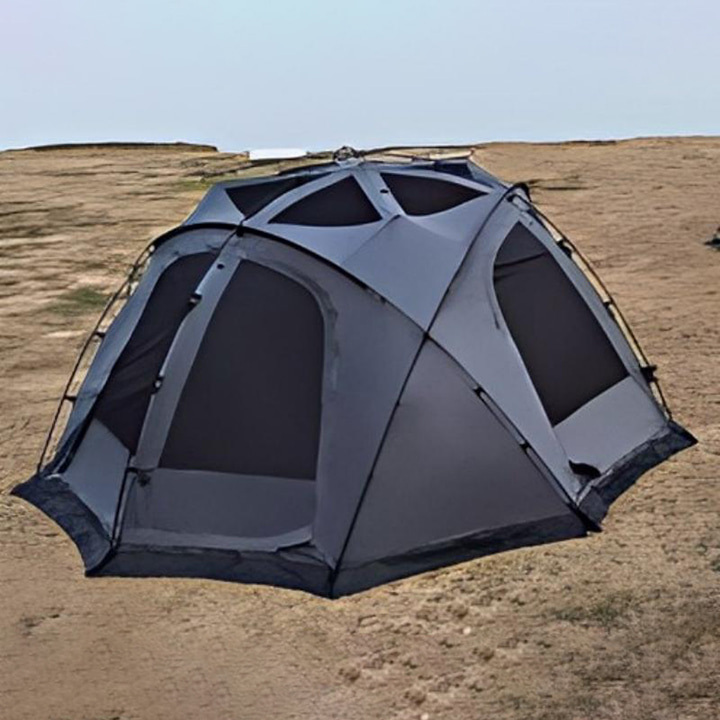
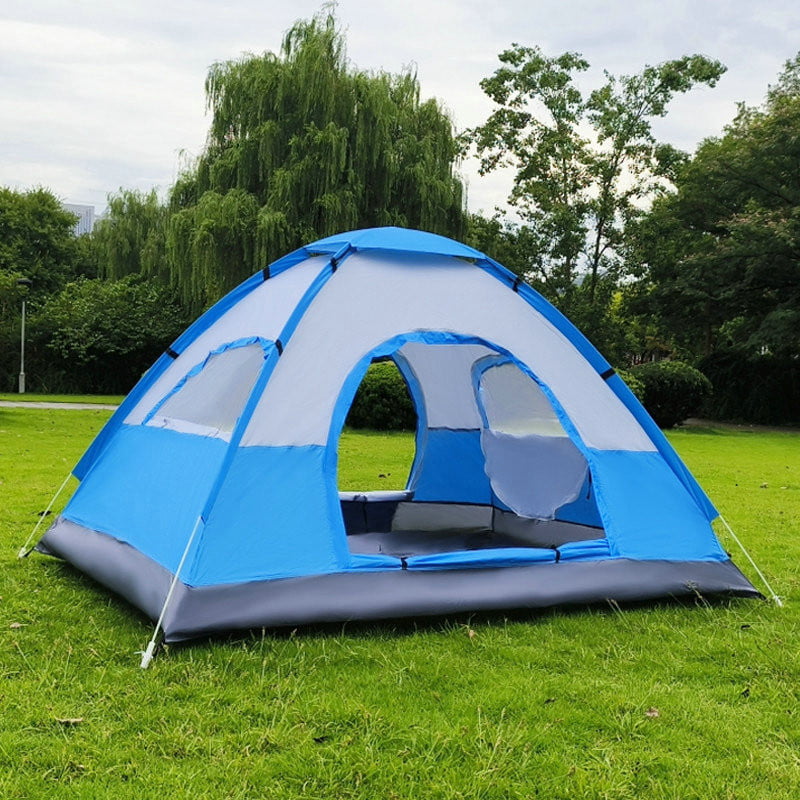
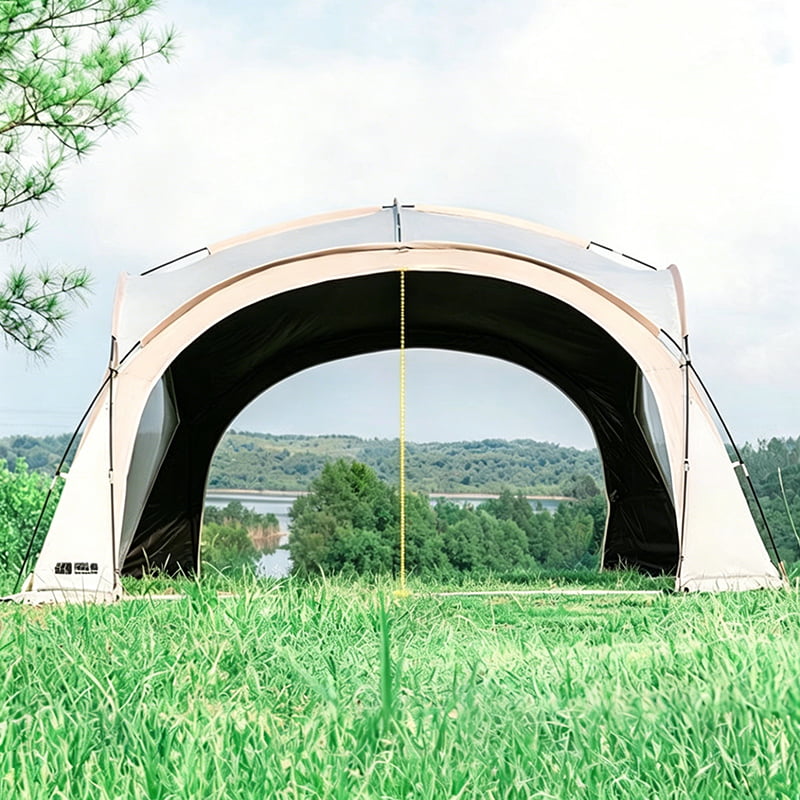
A dome tent is a shelter built around crossed curved poles that come together to form a rounded, dome-shaped, or hemispherical structure. The underlying idea is simple: pole tension and fabric tension work together to create a frame that essentially supports itself. Compared to a classic A-frame tent, dome tents typically strike a better balance between headroom, side-to-side stability, ease of setup, and how compactly they pack down.
Within the outdoor gear world, dome tents branch into several distinct product lines — family dome tents, camping dome tents, windproof dome camping tents, double-layer waterproof dome tents, hemispherical dome tents, and UV protection dome canopies. The names differ based on intended use, but they all share the same structural DNA: rounded support, straightforward pitching, and shelter that adapts to a wide range of conditions.
The real value here comes from how the poles cross each other. Two or more flexible poles intersect near the top or middle of the tent, spreading fabric tension and outside pressure across multiple anchor points rather than concentrating it in one spot. That's exactly what helps a dome tent handle wind and rain more evenly than many simpler frame designs.
The rounded or hemispherical shape also helps rain slide off more efficiently while minimizing flat, wind-catching surfaces. For manufacturers, building a dome tent that actually performs well comes down to precise pole curvature, correctly placed sleeves or hooks, reinforced stress points, well-positioned guylines, and floor tension that stays balanced across the whole structure.
Where Are Dome Tents Commonly Used?
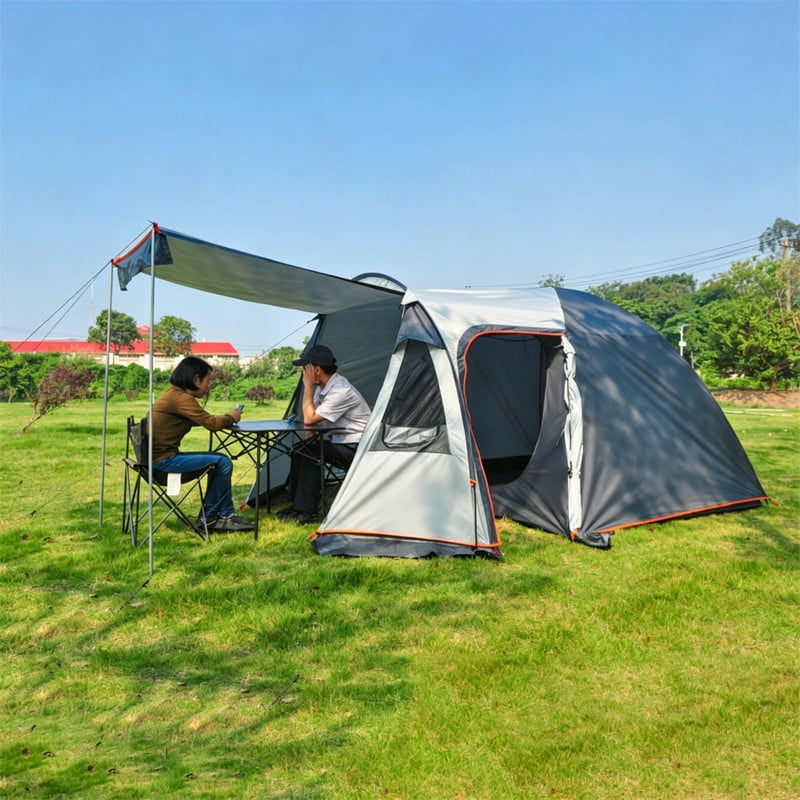
Family camping is probably where dome tents show up most, largely because they're intuitive, fast to set up, and available across a wide range of capacities. A family dome tent can comfortably sleep parents and kids while keeping the overall structure fairly simple. For families specifically, door access, airflow, storage pockets, and interior height end up mattering more than almost anything else.
Weekend trips and shorter outdoor stays suit dome tents just as well. People in these situations usually want something easy to transport, simple to pitch, and reliable enough to handle whatever weather shows up. A camping dome tent with a rainfly, mesh windows, and a solid waterproof floor covers most of what a typical campsite trip actually needs.
For hiking and lighter camping setups, dome tents deliver a practical middle ground between stability and packed size. A 3-person or 4-person version works fine for small groups, while smaller dome builds suit backpacking or more compact campsite needs. Here, total weight, pole material, packed volume, and how fast the tent sets up become the factors that actually decide the sale.
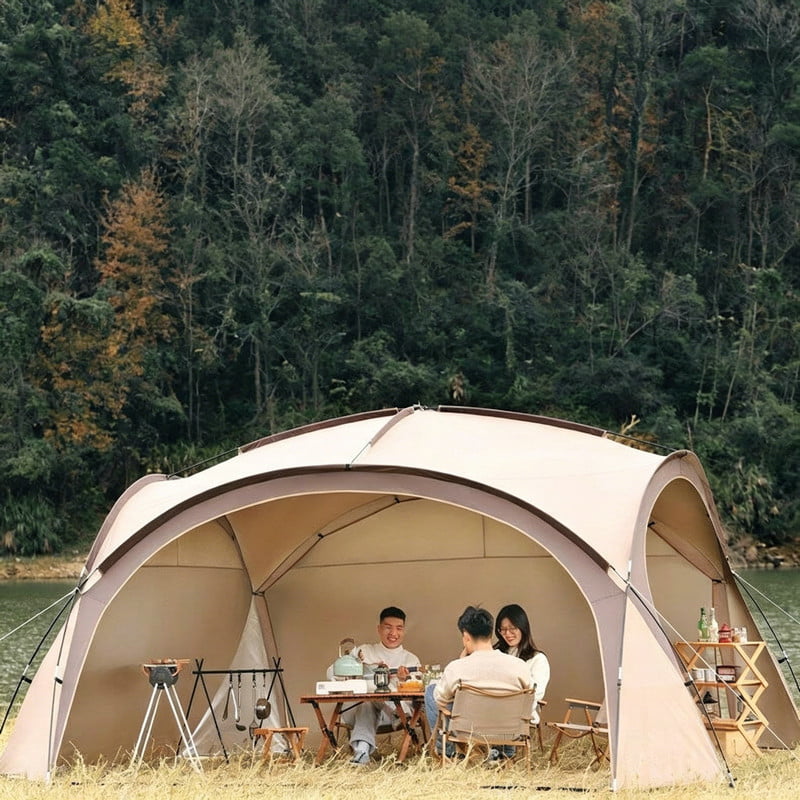
Beach outings, backyard get-togethers, festivals, fishing trips, and other short daytime activities often call for a UV protection dome canopy or similar sunshade-style structure instead. These lean far more into ventilation, shade coverage, UV protection, and easy access rather than full overnight weather protection.
Choosing between a 3-person dome tent and a 4-person family dome tent for a family outing really comes down to sleeping layout, how much gear needs storing, and comfort expectations. A tent rated for four often feels more comfortable for three people once equipment gets factored in, especially on longer trips.
Why Is the Dome Structure Stable?
Stability in a dome tent traces back to how the curved poles cross one another. When poles intersect, they create a frame that spreads load across several points instead of relying on one central ridge or a single vertical support. That distribution is exactly what keeps the tent's shape intact under moderate wind and rain.
Key Structural Stability Elements
The rounded, hemispherical shape also cuts down direct wind resistance — air simply flows around curved surfaces more smoothly than it does around flat vertical walls. That's not to say every dome tent handles severe storms equally well, but the shape itself gives wind-resistant design a solid starting point.
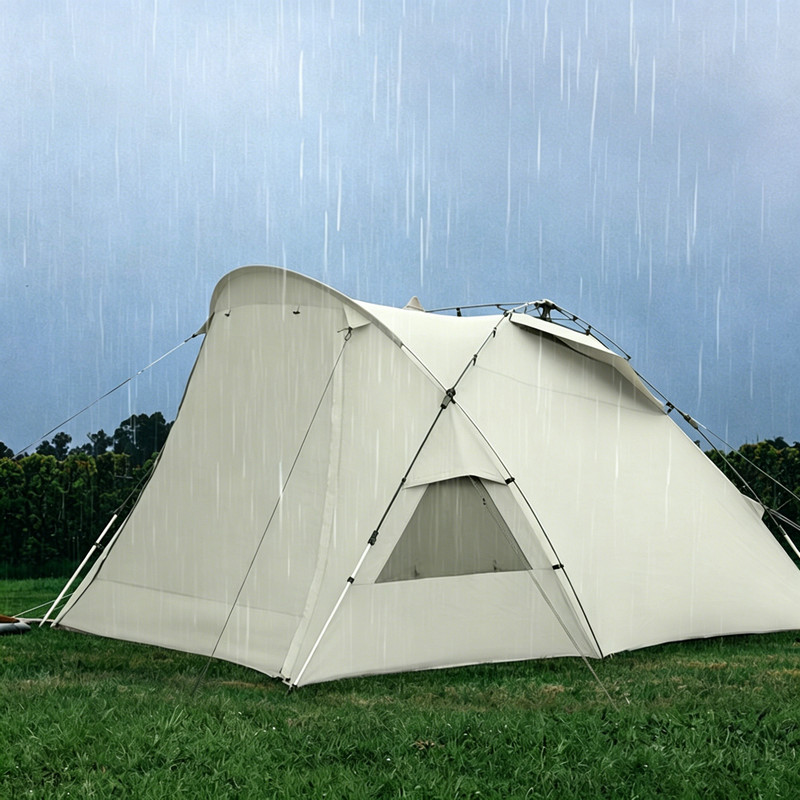
Curved surfaces help with water runoff too. When the rainfly is tensioned correctly, rain slides down the curved panels instead of pooling on flat sections — a detail that matters a lot for a waterproof dome tent or a double-layer waterproof version facing unpredictable weather.
Because the structure largely supports itself, dome tents pitch easily on grass, sand, gravel, and most mixed campsite terrain. Many can stand upright before a single stake goes in, which gives users room to reposition before locking things down. That said, guylines and stakes still matter plenty for wind stability and keeping the fabric properly tensioned.
From a factory perspective, real-world stability depends on more than just the dome concept sounding good on paper. Pole curvature, pole diameter, where the poles cross, sleeve alignment, clip placement, guyline positioning, stake angle, and cutting accuracy on the fabric all shape how the tent actually behaves outdoors. Even small design mistakes can lead to loose fabric, uneven stress, or a tent that folds under wind it should easily handle.
Dome Tent vs. Other Tent Structures
Dome tents have stayed popular largely because they're intuitive to set up and work for almost anyone. They typically offer a well-rounded mix of portability, stability, setup speed, and usable space — which is why they suit both first-time campers and seasoned outdoor users looking for a dependable, general-purpose shelter.
Tunnel tents bring different strengths to the table. They tend to offer efficient use of length and perform well when pitched with the narrow end facing into the wind — but many tunnel designs lean more heavily on stakes and guylines than dome tents do, since dome structures generally stand better on their own.
Cabin tents lean into standing height, vertical walls, and roomy interior comfort — a great fit for family camping and extended campsite stays, though they typically pack down bigger and catch more wind than a compact dome design.
A-frame tents represent the classic ridge-shaped structure — visually distinctive and simple to understand, though sidewall space and resistance to side winds usually can't match a dome's performance. For general camping use, dome tents tend to offer the better overall balance.
| Tent Type | Structure Feature | Main Advantage | Typical Use |
|---|---|---|---|
| Dome Tent | Crossed curved poles, rounded shape | Balanced stability, easy setup, versatile use | Family camping, hiking, weekend campsites |
| Tunnel Tent | Parallel arched poles | Efficient lengthwise space | Trekking, narrow campsite layouts |
| Cabin Tent | Tall walls and large interior | Standing height and comfort | Family camps, long-stay sites, glamping |
| A-Frame Tent | Ridge-style triangular profile | Classic structure, simple layout | Casual camping, specialty designs |
This comparison explains why dome tents dominate so many mainstream camping lines — they're not the lightest option out there, and they're not the roomiest either, but they cover the widest range of everyday use cases better than anything else in the category.
Common Types of Dome Tents
Windproof Dome Camping Tent
A windproof dome camping tent is engineered specifically to hold its shape in breezy or exposed conditions. It usually relies on reinforced guyline points, dependable pole geometry, sturdy stakes, and a low-to-medium profile that keeps wind impact to a minimum.
Manufacturing needs to prioritize pole strength, reinforcement at stress points, rainfly tension, guyline placement, and stake angle. Wind resistance is never about one component in isolation — it's a product of how the entire structure works together.
Double-Layer Waterproof Dome Tent
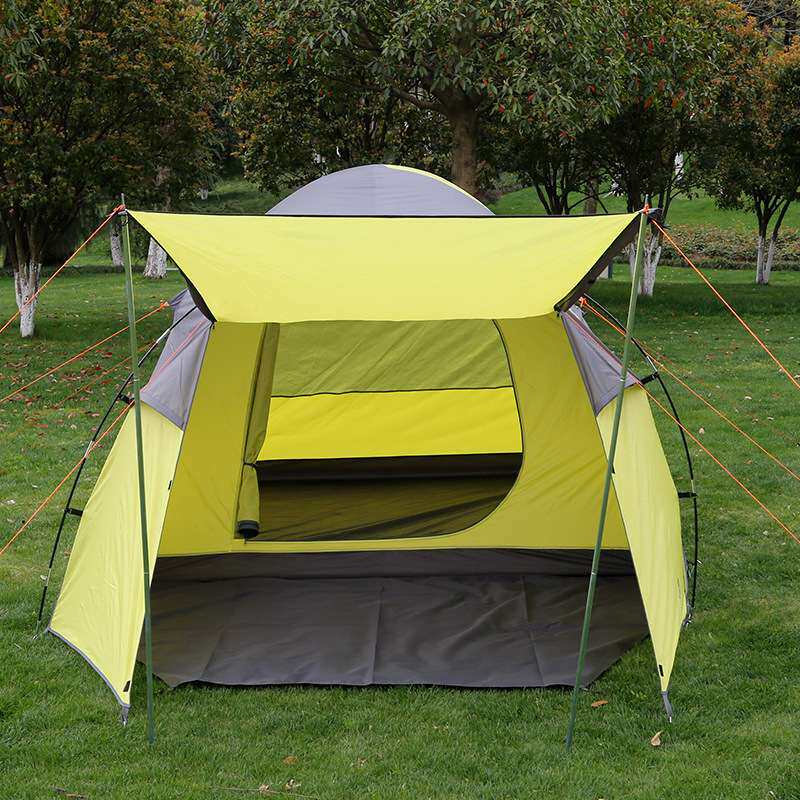
A double-layer waterproof dome tent pairs an outer rainfly with a separate inner tent. The rainfly takes on rain and wind protection, while the inner layer handles breathability, insect protection, and general sleeping comfort.
This style suits hiking, family camping, and pretty much any trip where the weather might shift unpredictably. Key manufacturing details include how well the flysheet covers the structure, seam-taped construction, the gap maintained between inner and outer layers, vent placement, and how the waterproof floor connects to everything else.
Hemispherical Dome Tent
A hemispherical dome tent pushes the rounded shape further, which usually improves load distribution and gives the tent a more visually balanced look. This design works for camping, casual shade, or specialty outdoor shelter needs.
Production accuracy matters a lot here, since the curved panels need to align precisely with the pole system. Panel cutting, fabric tension, and pole curvature all need to work in harmony, or the result is wrinkled fabric and an unstable pitch.
Dome Tent with Chimney Hole
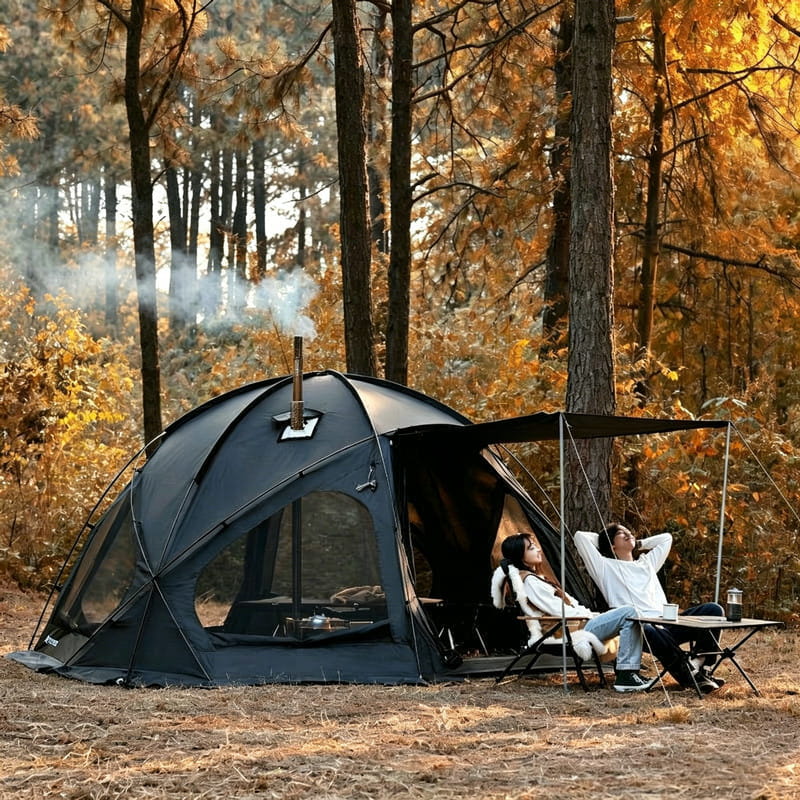
A dome tent with a chimney hole is designed to work alongside compatible stove or heating equipment in controlled outdoor settings. That chimney opening needs heat-resistant treatment, reinforced stitching, and careful placement away from any high-tension seams.
Manufacturing here calls for close attention to where the chimney hole sits, protective fabric around it, ventilation, safe spacing from fire risk, and rain protection surrounding the opening. This structure needs clear safety guidance and thoughtfully planned compatible accessories built in from the start.
UV Protection Dome Canopy
A UV protection dome canopy exists mainly for shade rather than overnight sleeping. It fits naturally into beach days, picnics, backyard gatherings, fishing trips, and festival settings.
These typically use silver-coated fabric or other UV-focused materials. Development should center on shade coverage area, airflow, which direction openings face, how stable the coating stays over time, guyline anchoring, and keeping the whole thing lightweight enough to pack easily.
3-Person Dome Tent
A 3-person dome tent works well for small groups, couples traveling with extra gear, or compact family trips. It needs to balance sleeping width, vestibule space, ventilation, and how small it packs down.
Manufacturing needs to lock down floor dimensions, door layout, rainfly coverage, pole strength, and total weight. For hiking-focused use, material choice and packing efficiency become especially important considerations.
4-Person Family Dome Tent
A 4-person family dome tent is a common choice for parents camping with kids, weekend trips, and general recreational campsites. It offers noticeably more room than a 3-person version while staying far more manageable than a full cabin tent.
Development should focus on interior height, floor width, zipper durability, storage pockets, ventilation windows, and how easy entry actually is. A good 4-person dome design has to balance real comfort against reasonable packed size.
Two-Room Family Dome Tent
A two-room family dome tent adds internal division for families or smaller groups needing separate spaces. That division might split the tent into two sleeping zones, or one sleeping area paired with a storage or living section.
This calls for careful planning around room dividers, door access, airflow, and frame support. If the divider ends up blocking ventilation or making movement awkward, the whole practical experience suffers regardless of how good the tent looks on paper.
How Fabric, Poles, and Waterproof Systems Affect Performance
Dome tent performance leans heavily on fabric choice. Polyester remains widely used thanks to its dimensional stability and how well it pairs with coated waterproof treatments. Oxford fabric shows up frequently in floors and reinforced sections because it resists abrasion better and simply feels tougher in hand.
Common Materials and Functional Components
Ripstop fabric helps limit tear propagation, making it a solid pick for lighter or more technical camping gear. Choosing between polyester, Oxford, and ripstop shapes weight, packed volume, durability, cost, and how the tent performs over years of actual use.
PU coating remains the standard waterproof treatment for flysheets and floors, often paired with seam-taped construction to reinforce water resistance right at the stitching. For a genuinely waterproof dome tent, that coating needs to be evaluated alongside seam treatment, rainfly coverage, zipper flaps, and floor design — not judged on its own.
Silver-coated fabric shows up frequently in sunshade tents and UV-focused shelters, improving shade performance and cutting down light penetration. For a UV protection dome canopy specifically, coating stability, fabric flexibility, and how well it holds up under long-term sun exposure all deserve close attention.
Pole material shapes both support strength and how much the tent weighs when packed. Aluminum poles generally offer the best strength-to-weight ratio and show up often in higher-performance dome tents. Fiberglass poles dominate family and recreational camping tents instead, offering practical flexibility at a more accessible cost.
Accessories matter too. Steel pegs, guylines, rainfly tensioners, mesh windows, zipper guards, and storage bags all shape the actual field experience. Mesh windows handle ventilation and keep insects at bay. Guylines and steel pegs are what actually anchor the dome structure once it's outdoors facing real conditions.
Why Double-Layer Dome Tents Are Better for Humid or Variable Weather
A double-layer dome tent separates weather protection from sleeping comfort into two distinct layers. The outer tent or rainfly handles rain protection, wind shielding, and sun coverage, while the inner tent takes care of breathable sleeping space, insect protection, and keeping users separated from condensation.
The air gap between the inner tent and rainfly plays a real role in managing condensation. Moisture might collect on the inside of the rainfly, but the inner layer keeps that moisture from making direct contact with sleeping bags, clothing, or the people inside. That gap becomes especially valuable in humid campsites, rainy stretches, or areas where daytime and nighttime temperatures swing widely.
Vestibule space is another meaningful advantage of this design. A double-layer waterproof dome tent often includes a front or side vestibule where shoes, backpacks, rain gear, or wet equipment can sit without cluttering the sleeping area — keeping the interior noticeably cleaner and more pleasant.
Double-layer structures suit hiking, family camping, and any outdoor setting where weather might shift unexpectedly. They typically weigh more than single-layer alternatives, but the trade-off usually pays off in better moisture control and overall comfort.
Manufacturing needs to focus on the spacing between inner and outer layers, hook and clip placement, seam treatment, how ventilation routes through the structure, rainfly coverage, and floor connection. If the flysheet ends up touching the inner tent, or ventilation isn't planned carefully, both condensation control and waterproof performance take a hit.
UV Protection Dome Canopy vs. Regular Dome Tent
A UV protection dome canopy exists primarily for shade, airflow, and daytime activity space. It suits beach trips, backyard gatherings, picnics, fishing outings, festivals, and other leisure activities where blocking sun matters far more than sheltering through the night.
A regular dome tent, by contrast, centers on sleeping protection, rain resistance, insect control, and overnight use generally. It typically includes a full floor, closable doors, mesh panels, and rainfly coverage — while a canopy-style dome usually opts for larger openings and less enclosed protection overall.
Silver-coated fabric improves light blocking and UV protection performance, which is exactly what makes it useful for a silver-coated UV protection dome canopy or similar sunshade tent. That said, coating quality, adhesion, flexibility, and how well it holds up under repeated sun exposure all need verification during development.
Beach and outdoor leisure settings tend to demand fast setup, wide openings, strong airflow, and reliable ground anchoring. Sand behaves very differently from grass when it comes to holding stakes, so guyline fixation, sand-appropriate stakes, and opening orientation all deserve extra thought.
From a manufacturing standpoint, sunshade dome products need tight control over coating consistency, seam strength, how portable the packed product is, frame flexibility, and reinforcement at stress points. A lightweight canopy needs to stay easy to carry, but it still has to hold up structurally once it's actually out in the elements.
Tiansai's Professional Capabilities in Dome Tent Manufacturing
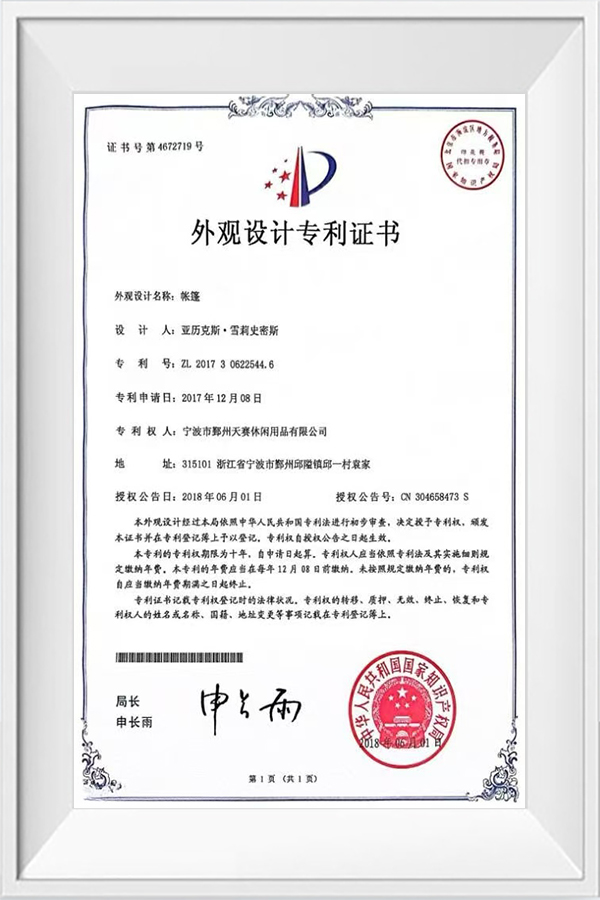
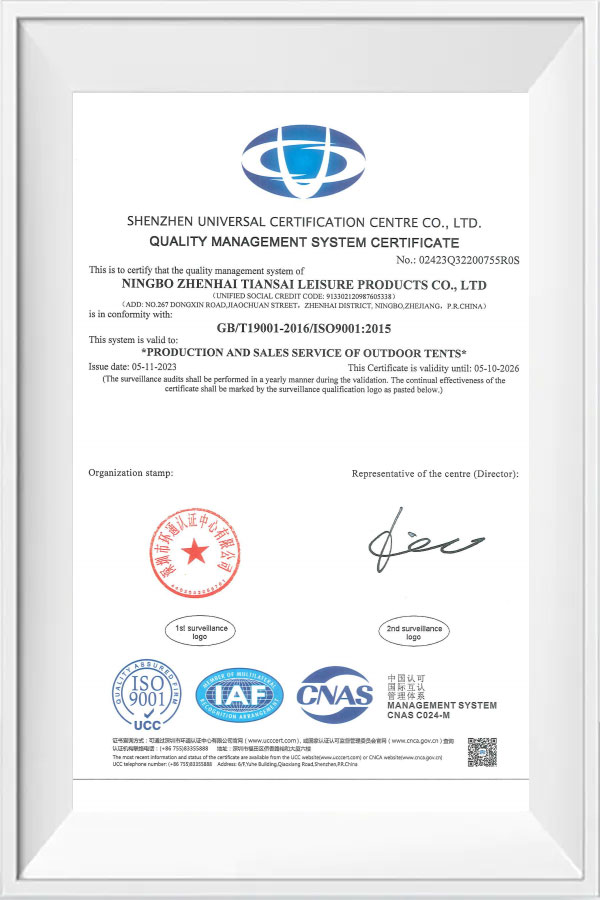
Ningbo Zhenhai Tiansai Leisure Products Co., Ltd., operating under Tiansai Leisure / Tenplay, is based in Ningbo, China — a port city with well-established supply chain access and export logistics that support efficient coordination across materials, production planning, packaging, and shipment.
Tiansai Leisure / Tenplay focuses on designing and producing outdoor tents and leisure outdoor products. Across a factory footprint of more than 13,000 square meters, the company handles the full development chain — structural planning, sample building, material matching, stable production, quality inspection, and export support.
Within the dome tent category, Tiansai supports development across dome tents, family dome tents, windproof dome camping tents, double-layer waterproof dome tents, hemispherical dome tents, UV protection dome canopies, 3-person dome tents, and 4-person family dome tents. Each of these calls for its own combination of pole structure, fabric coating, floor material, ventilation layout, and accessory configuration.
Production quality for dome tents comes down to controlling pole curvature, sleeve position, hook placement, cutting accuracy, seam waterproofing, floor connection, zipper installation, mesh window alignment, and rainfly tension. These details shape pitching quality and how well the tent holds up over years of use.
Tiansai Leisure / Tenplay can adjust size, pole structure, fabric, waterproof treatment, UV coating, color, door and window layout, packaging, and functional details to match specific project needs. Backed by consistent sample validation and quality control, the company works to keep products reliable and adaptable across changing market demands.
Dome tents remain one of the most practical, adaptable structures in the entire outdoor shelter market. Their appeal comes from a genuine balance — rounded frame stability, easy setup, usable interior space, waterproof options, thoughtful ventilation, and the ability to serve a huge range of outdoor scenarios. From camping dome tents built for weekend trips to double-layer waterproof designs made for unpredictable weather and UV protection dome canopies suited to beach days and casual gatherings, this category genuinely covers a lot of ground.
Where dome tent development goes from here will likely keep pushing toward sturdier structures, lighter materials, better ventilation, stronger waterproofing and UV protection, and increasingly refined manufacturing. For manufacturers, success in this space comes down to coordinating pole geometry, fabric selection, waterproof construction, ventilation planning, accessory matching, sample verification, and quality inspection — all working together rather than in isolation.
