


 English
  عربى
عربى 


Stretcher & Cot Tents: Moisture Protection, Insect Defense, and Off-Ground Sleeping System Design
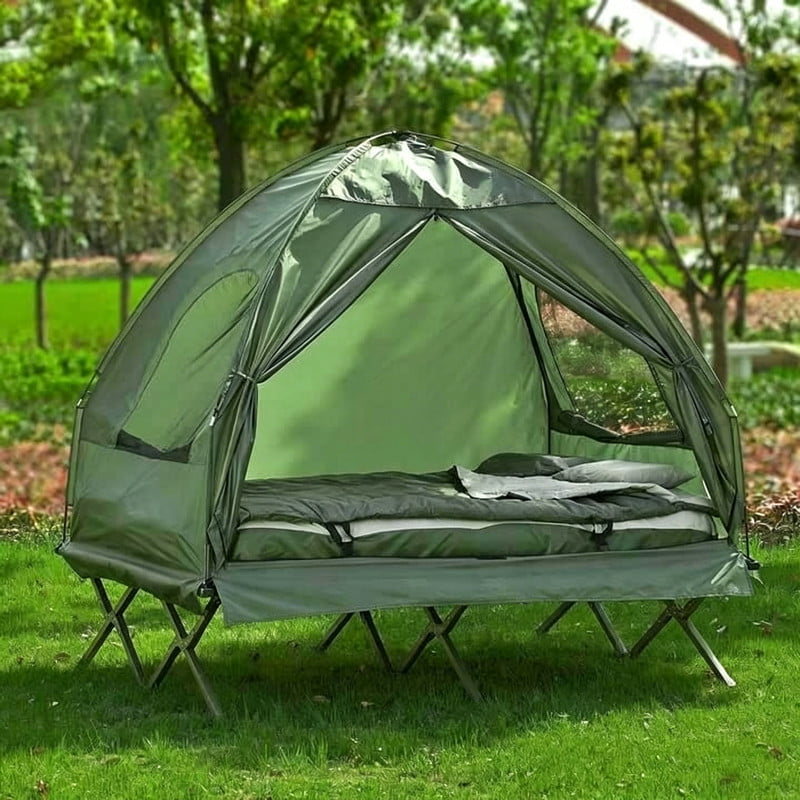
Stretcher and cot tents pair a foldable cot frame with an enclosed tent structure to deliver a genuinely practical off-ground sleeping setup for camping, overland travel, vehicle-side camping, fieldwork, and extended outdoor stays. Unlike a regular ground tent, a cot tent lifts the entire sleeping surface away from damp soil, insects, uneven terrain, and the airflow restrictions that come with sleeping right on the ground. For outdoor brands, product managers, camping gear teams, overland developers, and anyone building outdoor sleeping systems, understanding the structure, materials, load-bearing logic, waterproofing, ventilation, and manufacturing requirements behind a camping cot tent matters enormously for building something people can actually rely on outdoors.
What Is a Stretcher & Cot Tent?
A stretcher or cot tent is an outdoor sleeping shelter that combines a foldable camping cot with a tent canopy or fully enclosed protective structure. The goal is straightforward — keep users lifted above the ground while shielding them from insects, moisture, wind, and mild outdoor weather.
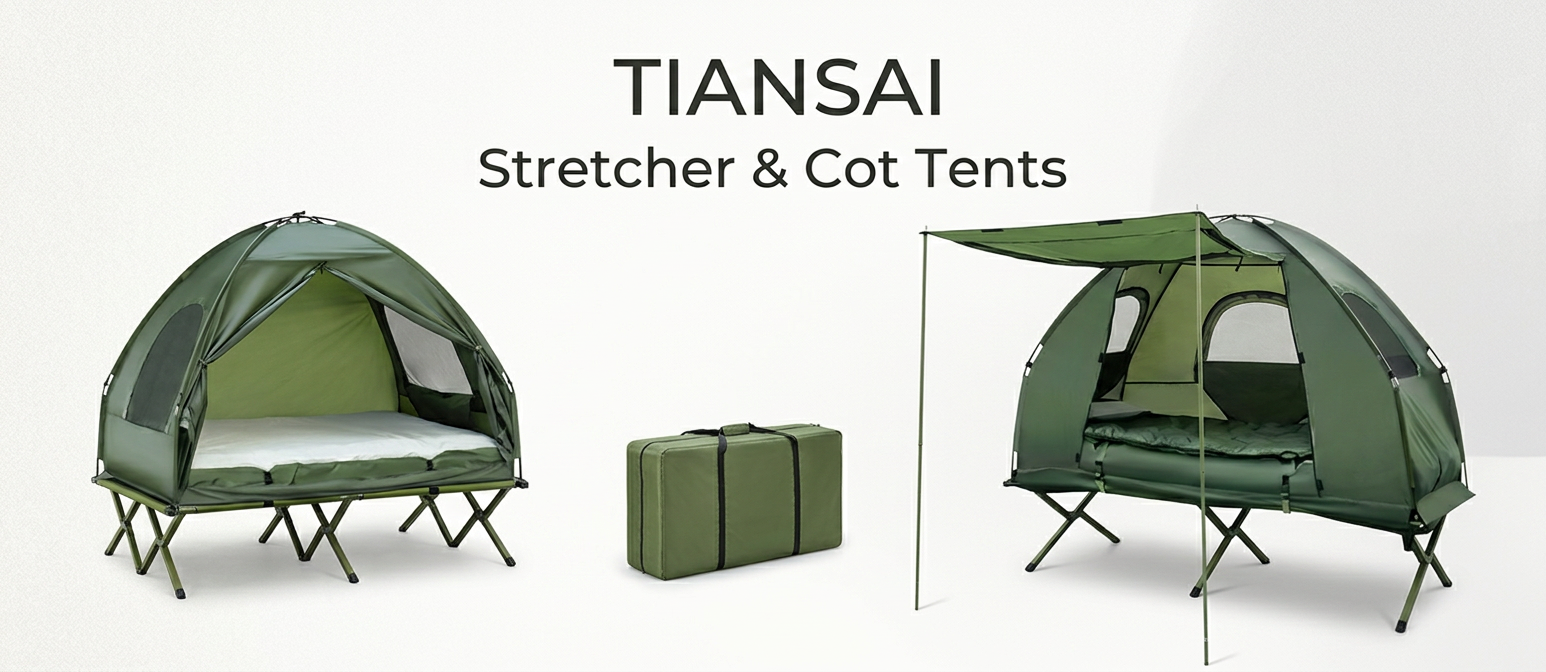
Common names across the category include cot tent, camping cot tent, elevated cot tent, pop-up camping cot tent, waterproof cot tent, portable outdoor sleeping shelter, foldable cot tent, and camping sleeping system. Setup style, frame material, fabric structure, rainfly design, and packed size all vary between them.
The core idea driving this entire category is the off-ground sleeping system. Rather than laying a sleeping pad directly on a tent floor, users rest on a raised cot surface held up by a frame, with the tent body wrapped around or over the cot to provide enclosed protection.
This setup cuts down direct contact with wet ground, crawling insects, small stones, grass, mud, and uneven surfaces considerably. It also creates a more bed-like sleeping platform, which genuinely improves rest quality across multi-day trips or extended field use.
From a manufacturing standpoint, stretcher and cot tents demand more integrated engineering than a standard camping tent. The cot frame, fabric canopy, rainfly, mesh panels, zipper doors, support poles, connection points, and storage system all need to function together as one complete sleeping product — not separate components loosely combined.
Where Are Stretcher & Cot Tents Used?
Family camping represents a common use case for camping cot tent products. Plenty of people want better sleeping comfort than a ground mat delivers, especially across multi-night trips. A cot tent gives the campsite a clearer, more defined sleeping area with better support and real separation from the ground below.
Overland camping and vehicle-side camping suit an elevated cot tent particularly well. Since vehicles can haul larger gear, people in these situations generally prioritize comfort, fast setup, durability, and overall sleeping system convenience over shaving down packed weight.
Fieldwork and temporary outdoor camps benefit from cot tent shelters too. Workers, guides, event staff, or field teams often need a dependable sleeping system they can set up repeatedly across grassland, semi-wet terrain, or uneven outdoor spots.
Wetland, meadow, and grassy environments represent important scenarios for this category. The raised sleeping surface cuts down exposure to damp soil, ground-level insects, and vegetation — making a cot tent genuinely useful anywhere ground sleeping would otherwise feel unpleasant.
Extended outdoor stays demand more than basic shelter can offer. A portable outdoor sleeping shelter needs stable support, breathable airflow, insect protection, easy access, and compact packing once the trip wraps up.
Outdoor leisure trips, festival camps, fishing outings, hunting camps, and temporary rest areas all suit foldable cot tent products as well. These scenarios tend to value quick setup, well-organized storage, and a sleeping surface that's genuinely more comfortable than the ground.
Core Advantages of an Off-Ground Sleeping System
The first real advantage of an off-ground sleeping system comes down to moisture reduction. Sleeping directly on the ground exposes people to damp soil, cold surfaces, and condensation collecting near the tent floor. A cot tent lifts the body above ground level and cuts down direct contact with that moisture significantly.
Insect defense ranks as another major benefit. Raising the sleeping surface cuts down direct contact with crawling insects and pests that stay close to grass level. Combined with enclosed fabric, mesh windows, and a well-sealed zipper door, the shelter delivers a genuinely more protected sleeping environment overall.
Better airflow matters too. The open space beneath the cot lets air circulate around the sleeping platform, which helps cut ground-level humidity and improves comfort noticeably in warm or damp conditions.
A cot tent also softens the impact of uneven ground. The frame still needs a reasonably stable spot to sit on, but small stones, roots, minor surface bumps, and soft grass all become far less noticeable compared to sleeping right on the ground.
Sleeping comfort ultimately comes down to frame stability, fabric tension, cot width, interior height, and how ventilation gets laid out. A genuinely well-built camping sleeping system isn't just a tent draped over a cot — it's a coordinated structure designed around real sleeping movement and actual outdoor use.
For anyone who struggles getting up from a ground-level sleeping pad, an elevated cot tent also makes entry and exit considerably easier. That matters especially for family camping, vehicle camping, and longer trips where comfort and convenience genuinely count.
Structural and Material Design Points
Reinforced fabric matters in high-stress spots like corners, where the cot connects to the tent, door edges, pole sleeves, and points under fabric tension. Cot tents concentrate load right where the tent body meets the frame, so reinforcement there keeps the structure holding together consistently over time.
Common Fabric, Frame, and Functional Elements
A waterproof rainfly protects the sleeping area from rain and splash. For a genuinely waterproof cot tent, the rainfly needs proper coverage, the right roof slope, a well-planned overhang, and seam treatment that actually directs water away from the sleeping zone rather than toward it.
Mesh windows handle both ventilation and insect protection at once. Since cot tents often work with fairly compact interior volume, airflow needs careful planning from the start. Where the mesh windows sit, their size, density, and whether they have fabric covers all shape sleeping comfort directly.
Frame material shapes both strength and portability. An aluminum frame delivers a favorable strength-to-weight ratio, making it a natural choice when portability matters most. A steel frame offers stronger support and suits larger or heavier-duty cot tent designs, though it adds noticeably to packed weight.
The foldable cot frame itself determines setup convenience, stability, and packed volume. Hinges, support legs, locking points, crossbars, the fabric bed surface, and overall frame geometry all shape load-bearing performance and how well the product holds up over years of use.
A pop-up dome structure speeds up setup in pop-up camping cot tent designs specifically. Pre-connected poles or flexible frame systems cut down assembly steps, though they still need testing for folding accuracy, elastic recovery, and how well fabric tension holds.
A zipper door needs to allow easy entry and exit from the raised bed. Door placement should match cot height and how users actually move getting in and out. Smooth zipper operation, anti-snag design, and proper flap coverage all improve everyday use noticeably.
Ground clearance defines this category more than almost anything else. Enough clearance keeps the sleeping surface properly separated from moisture, insects, and uneven ground. That said, too much height makes entry less convenient and raises stability demands on the frame.
A storage bag matters more than it might seem at first glance. Stretcher and cot tents typically include a cot frame, tent body, rainfly, poles, stakes, guylines, and various accessories all at once. A genuinely practical carry bag needs to support organized packing and repeated transport without becoming a mess every time.
Waterproofing, Insect Protection, and Ventilation Design
A cot tent needs to balance enclosed protection against airflow carefully. Seal it up too tightly, and the interior turns humid and stuffy fast. Leave it too open, and insect protection, wind resistance, and rain coverage all suffer as a result.
Waterproofing depends on the rainfly, coated fabric, seam treatment, roof slope, door flaps, and window covers working together. The raised cot cuts down ground moisture exposure considerably, but side rain, zipper areas, and canopy edges still need genuinely careful design attention.
For a waterproof cot tent specifically, the rainfly should cover vulnerable openings and steer water away from the sleeping platform entirely. Seam sealing or seam management should get selected based on the fabric type and how the product will actually be used.
Insect protection comes down to mesh panels, zipper closure, fabric overlap, and how well the tent body fits against the cot frame. Mesh density needs to block common insects effectively while still letting enough air through during warm-weather use.
Ventilation matters even more here since the sleeping space runs smaller than most standard tents. Side mesh windows support cross-ventilation nicely, while upper vents help release warm air and moisture building up from breathing overnight.
Bottom elevation contributes to airflow in its own right. Air moving beneath the cot cuts down trapped humidity near the sleeping surface — one reason elevated cot tent designs work so well for grass, damp ground, and warm-weather camping generally.
Door design shapes all three systems at once — water protection, insect defense, and ventilation together. A roll-up mesh door paired with an outer fabric panel offers flexible airflow while still letting users close things up fully when they want more protection.
The best portable outdoor sleeping shelter treats waterproofing, insect control, ventilation, and comfort as one connected design problem rather than separate features bolted together. Fabric, frame, rainfly, zippers, mesh, and clearance all need to work in concert.
Key Points for Custom Cot Tent Manufacturing
Before custom cot tent manufacturing gets underway, the development team needs to confirm user capacity first. A single-person cot tent, a wide single model, and a two-person design each demand different frame dimensions, fabric tension requirements, and packed size targets entirely.
Cot frame size ranks among the most critical parameters. Width, length, bed height, leg structure, crossbar position, and folding method all shape sleeping comfort and structural stability together.
Open size and interior height need to match real-world use. Users need enough room to turn over, sit partly upright, get in and out, and organize small items nearby. A low tent body saves weight but can feel genuinely restrictive across longer stays.
Load-bearing requirements need clear definition from the start. Frame tube specification, support leg layout, hinge strength, cot fabric tension, and connection hardware should all get designed around the expected load range and how often the product will see use.
Frame material selection needs to balance portability against strength. Aluminum suits lighter models well, while steel supports sturdier structures. Hybrid frame solutions sometimes make sense when different parts of the design need different performance characteristics.
Fabric specification and waterproof level should match the intended environment closely. Polyester fabric, reinforced fabric, coated rainfly materials, and mesh panels can all combine depending on season, climate, and where the product sits in the market.
Mesh configuration needs to account for insects and airflow together. Window count, mesh density, cover style, and vent placement should all get planned around warm-weather use, humid conditions, and how much privacy users expect.
Door opening style should match cot height and overall tent layout. Side doors make bed access convenient, end doors save space on the sides, and dual-door designs can boost usability further. The zipper path needs to avoid concentrating stress or snagging fabric anywhere.
Packed size, color, printed branding, packaging method, accessory list, and target environment all need confirming early too. For a custom cot tent project, clear drawings, samples, dimensions, structural requirements, frame preferences, material specifications, and functional expectations all help speed up sample development considerably.
Tiansai's Capabilities in Stretcher & Cot Tents Manufacturing
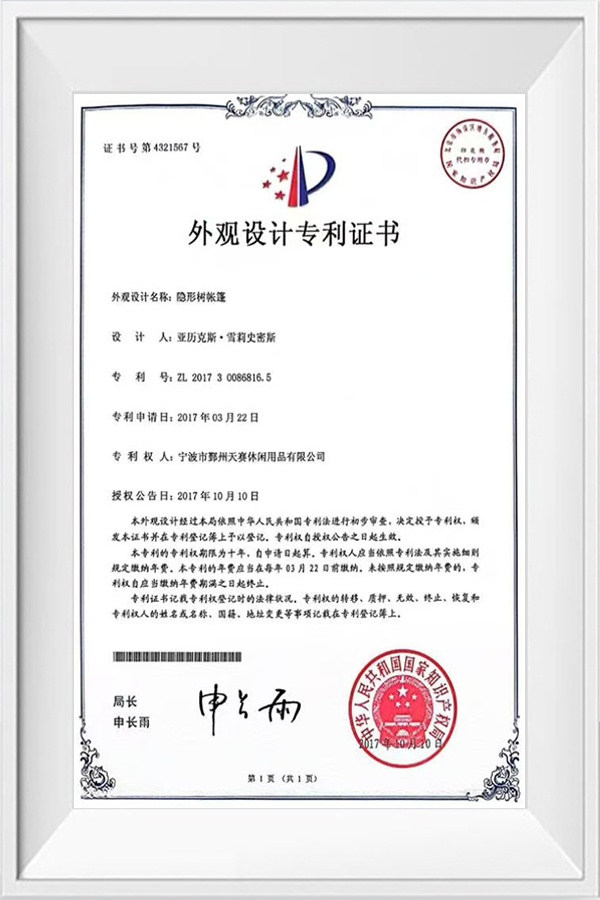
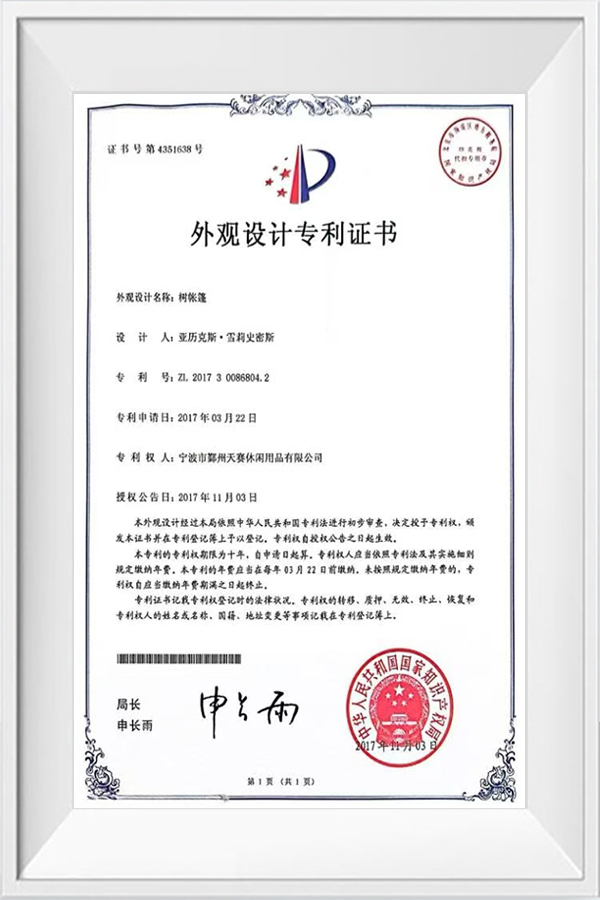
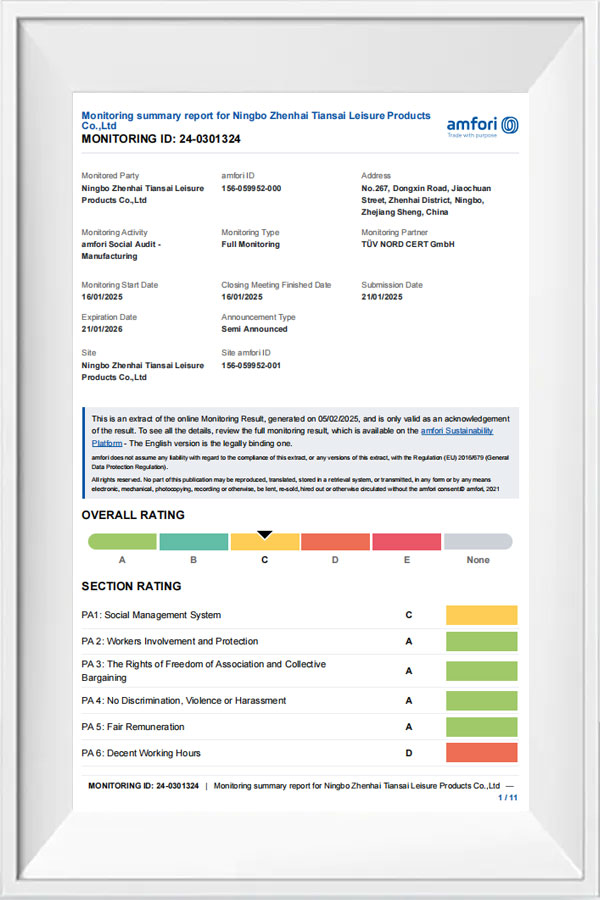
Ningbo Zhenhai Tiansai Leisure Products Co., Ltd., operating under Tiansai Leisure / Tenplay, is based in Ningbo, Zhejiang Province, China. The factory sits roughly 28 kilometers from Ningbo Beilun Port, supporting efficient supply chain coordination and export logistics for outdoor tent and sleeping shelter products.
Tiansai Leisure / Tenplay brings more than 12 years of experience to the outdoor tent industry. Across a factory footprint of more than 13,000 square meters and an annual production capacity exceeding 200,000 tents, the company delivers stable manufacturing for camping tents, cot tents, outdoor shelters, and integrated sleeping systems.
An in-house R&D engineering team supports structure design, material matching, sample development, pattern refinement, frame coordination, and ongoing product improvement. For stretcher and cot tents specifically, the relationship between the cot frame, tent body, rainfly, mesh ventilation, and folding storage all needs developing together as one system.
Tiansai also runs its own hardware processing facility and fabric processing facility, supporting integrated development of cot frames, support legs, hinges, connectors, reinforced fabric panels, mesh windows, zipper doors, rainfly components, and storage bags.
The factory maintains laboratory resources and testing equipment to support development and quality control — covering fabric inspection, coating review, seam strength checks, zipper testing, frame matching, setup evaluation, load-bearing tests, folding tests, and full finished product pitching assessment.
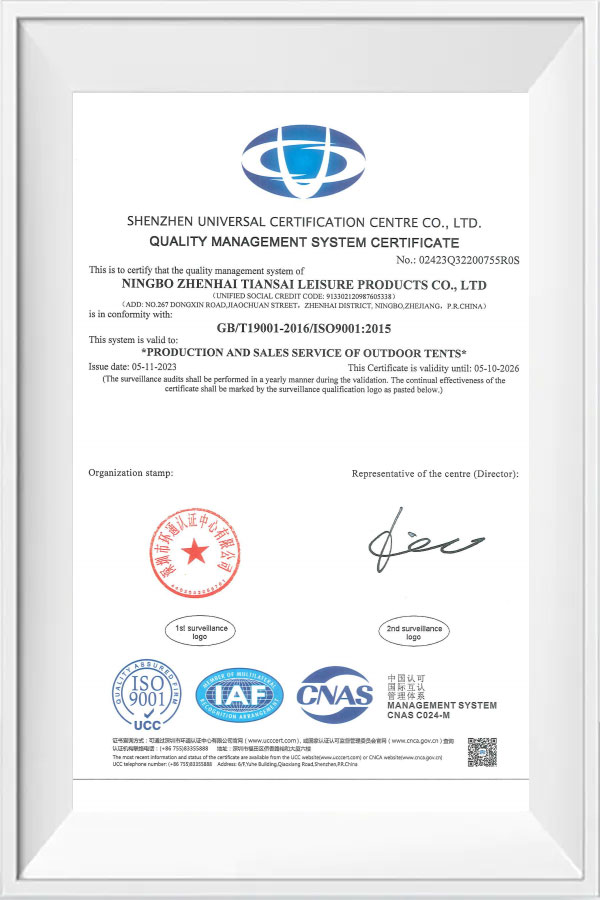
Products are developed with relevant standards like CE and ISO 9001 in mind. As an experienced cot tent manufacturer, Tiansai Leisure / Tenplay supports development across cot tents, camping cot tents, elevated cot tents, pop-up camping cot tents, waterproof cot tents, foldable cot tents, and portable outdoor sleeping shelters.
Customization can draw from drawings, samples, dimensions, structure, materials, support frame, colors, opening method, rainfly coverage, mesh configuration, packaging, and functional requirements — supporting product development for family camping, overland travel, vehicle-side camping, fieldwork, temporary camps, and outdoor leisure sleeping needs.
Frequently Asked Questions
1. What is the difference between a Cot Tent and a regular camping tent?
A cot tent combines a raised cot frame with an enclosed tent structure, creating a genuine off-ground sleeping system. A regular camping tent usually pitches directly on the ground and relies on a floor, sleeping pad, or mattress for comfort instead.
2. Is an Elevated Cot Tent suitable for damp environments?
Yes — an elevated cot tent works well in damp grassland or mildly wet ground conditions since the sleeping surface sits raised above the ground itself. Rainfly coverage, ventilation, and stable frame placement still matter for overall comfort regardless.
3. What are the advantages of a Pop Up Camping Cot Tent?
A pop-up camping cot tent offers faster setup, fewer assembly steps, and genuinely convenient use for vehicle-side camping, family camping, and shorter outdoor stays. Frame recovery, folding logic, tent tension, and packed size all need careful testing during development.
4. How should cot frame material be selected?
An aluminum frame suits situations where lighter weight and portability matter most. A steel frame delivers stronger support and often gets preferred for larger or heavier-duty designs. The right choice really depends on load requirements, packed weight, stability needs, and intended use.
5. How does a cot tent balance insect protection and ventilation?
It relies on mesh windows, zipper doors, fabric covers, and careful vent placement. Fine mesh boosts insect protection, while properly positioned windows and vents keep air moving. Good design avoids both excessive sealing and overly open exposure.
6. What waterproof details matter in a Waterproof Cot Tent?
Important details include waterproof rainfly coverage, coated fabric, roof slope, seam treatment, door flaps, window covers, and tensioning points. The elevated design cuts down ground moisture contact, but rain direction and opening protection still deserve real attention.
7. What parameters are needed to develop a cot tent sample?
Key parameters include user capacity, cot frame size, open size, interior height, load-bearing requirement, frame material, fabric specification, waterproof level, mesh configuration, door style, packed size, color, printed branding, packaging method, and target environment.
8. Is a Foldable Cot Tent easy to transport?
A foldable cot tent transports well when the cot frame, tent body, rainfly, poles, stakes, and accessories all fit into a well-designed storage bag. Packed length, total weight, and folding method should all match the intended use case realistically.
Stretcher and cot tents deliver a complete off-ground sleeping solution by bringing together a foldable cot frame, protective tent body, waterproof rainfly, mesh ventilation, and portable storage system. Their real value lies in improving sleeping comfort while cutting down exposure to damp ground, insects, uneven surfaces, and the limited airflow that comes with sleeping right at ground level.
Where stretcher and cot tent development heads next will likely keep focusing on more comfortable off-ground sleeping experiences, sturdier lightweight frames, better waterproof and insect protection, easier folding storage, and increasingly refined manufacturing. Getting product development right ultimately comes down to coordinating fabric selection, frame engineering, load-bearing structure, rainfly design, mesh ventilation, sample testing, quality inspection, and consistent production — all working together as one connected process rather than isolated pieces.
