

 English
  عربى
عربى 

Backpacking & Trekking Tents
Product Category
Contact us
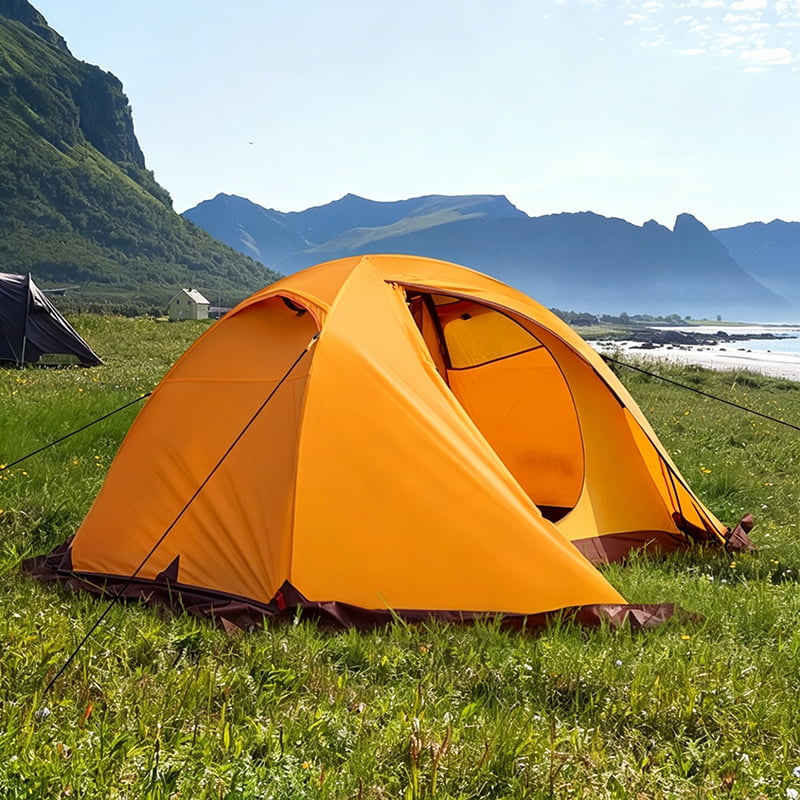
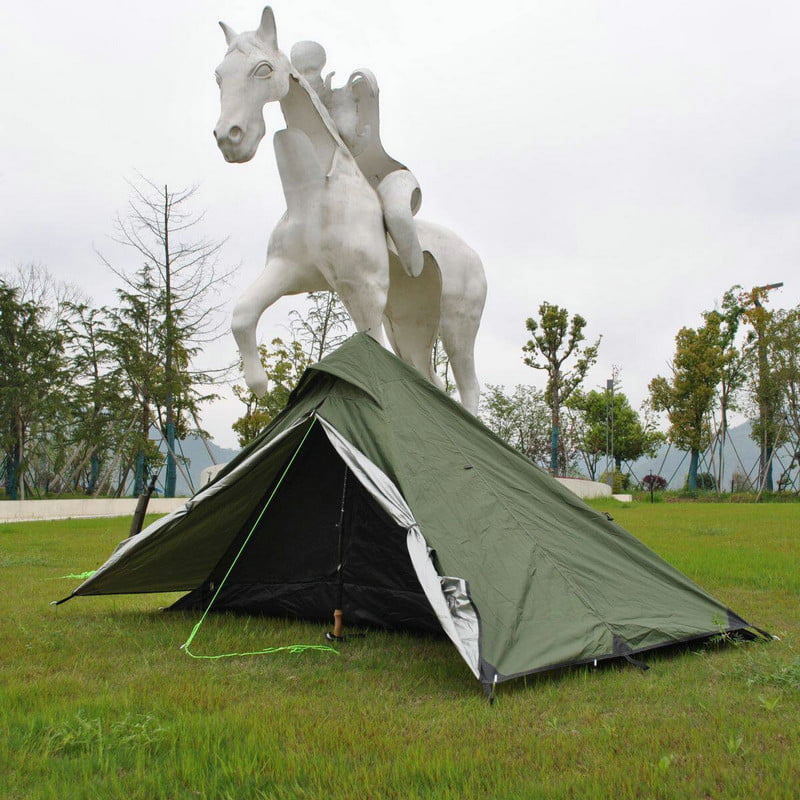
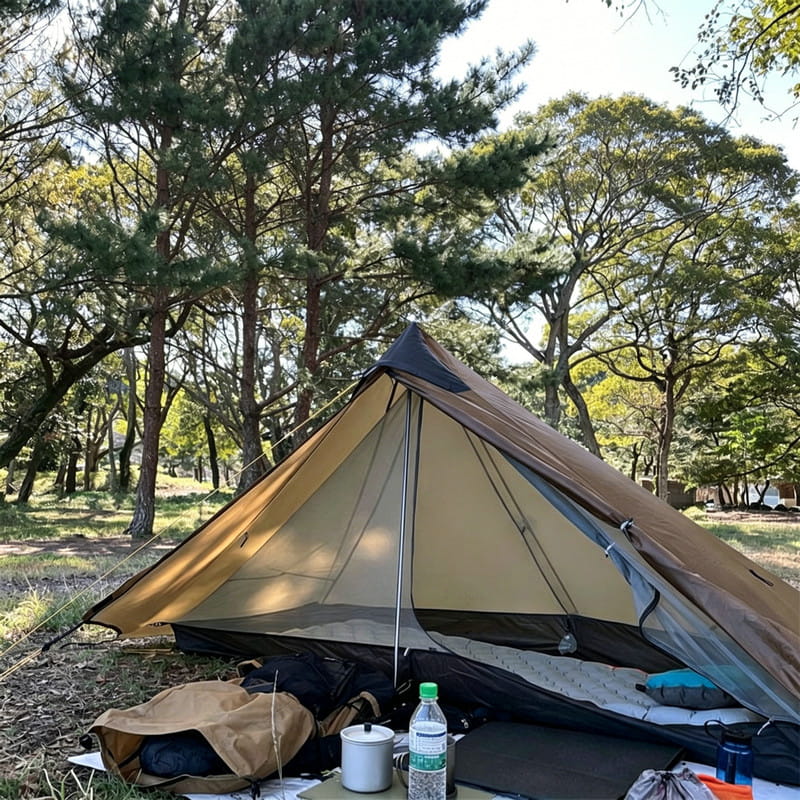
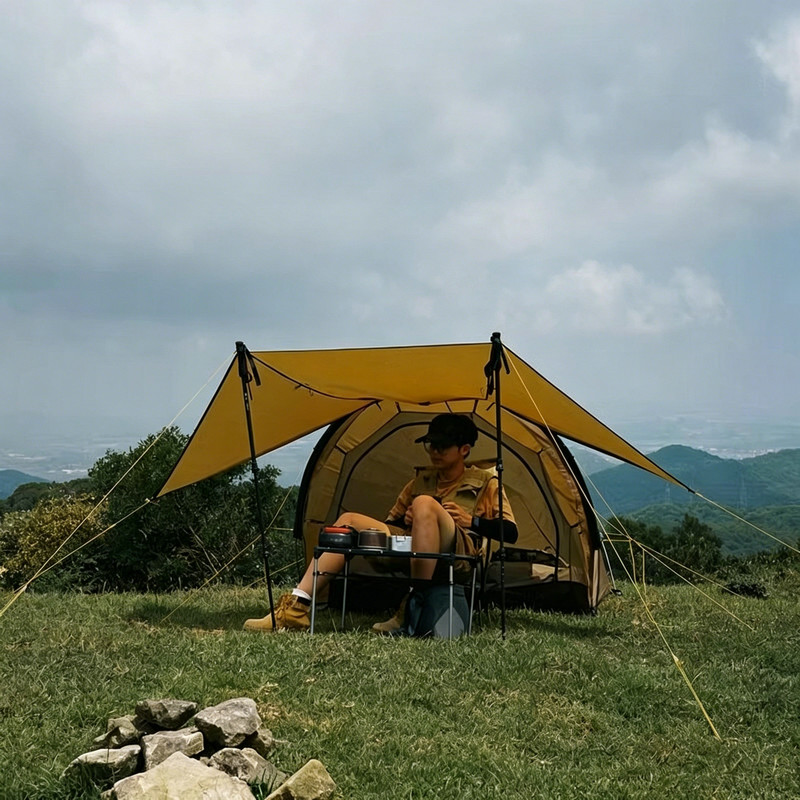
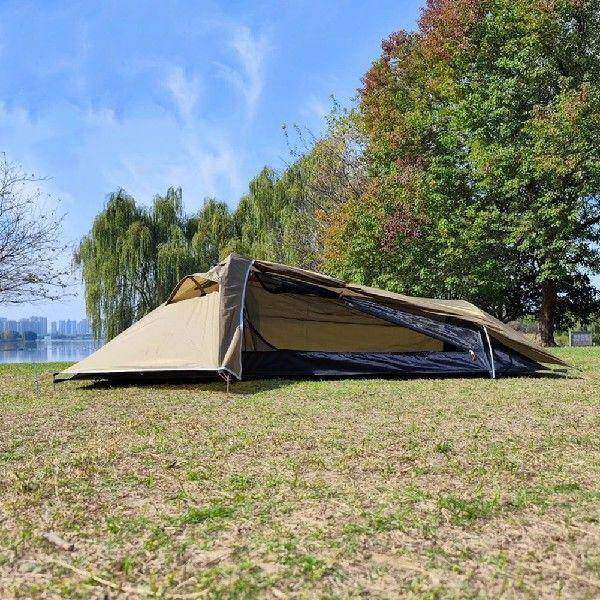
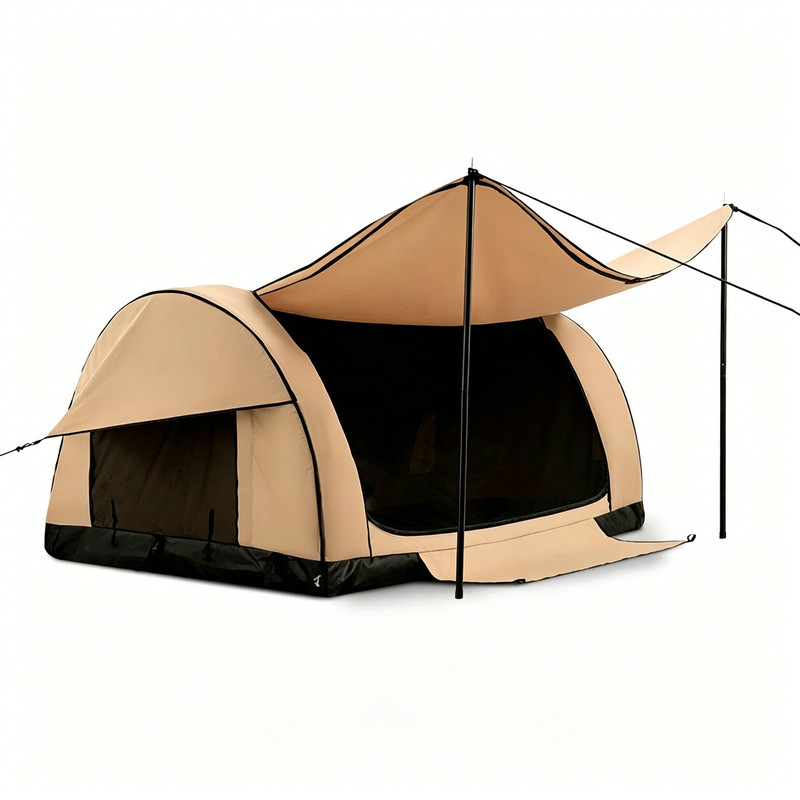
Hiking tents are a type of professional outdoor equipment designed around lightweight, reliability and environmental adaptability, mainly used in long-distance hiking, mountain camping, backpacking and multi-day wilderness exploration scenarios. Compared with ordinary camping tents, hiking tents place more emphasis on weight control and structural efficiency, ensuring protective performance while minimizing the carrying burden to meet the needs of long-term movement and complex terrain use. Tenplay offers a variety of hiking tent solutions, covering ultra-light single-person tents, double-person backpacking tents, three-season and four-season high-performance tents and other product series. The product design is oriented towards actual outdoor environments, taking into account wind resistance, water resistance and ventilation performance, providing a stable and comfortable user experience in different climatic conditions. At the same time, the structural design focuses on the efficiency of quick setup and disassembly, suitable for independent setup and rapid deployment in emergency situations. In terms of cooperation support, Tenplay relies on a mature OEM/ODM production system to provide customers with an integrated solution from product development to mass production, including but not limited to: appearance design and structural optimization (such as different setup methods, adjustment of pole systems), material selection (fabric weight, waterproof level, coating process, etc.), size specifications and weight classification customization of brand logos. Through stable supply chain management and cost control capabilities, Tenplay Outdoor can achieve a market-competitive price system while ensuring quality, helping customers establish a clear product positioning in the outdoor equipment field, enhancing brand value, and supporting long-term large-scale development.
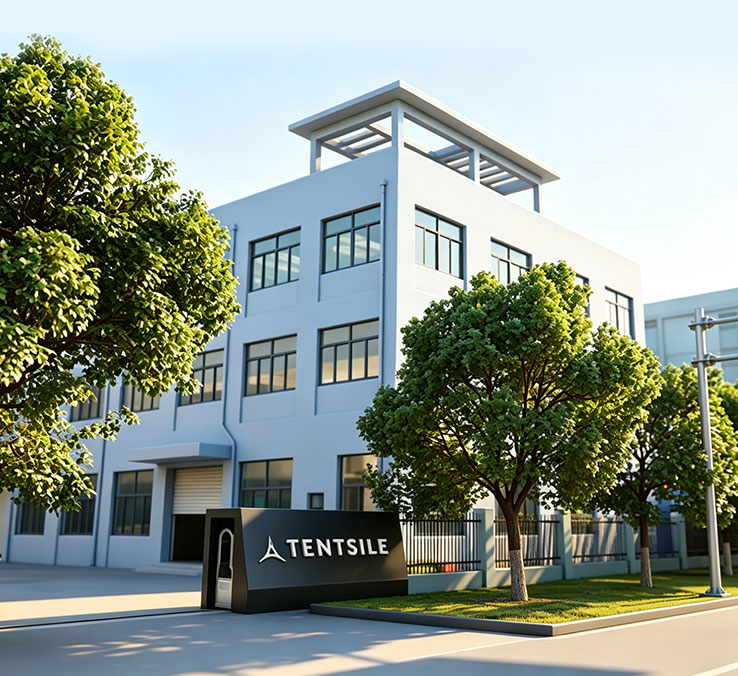
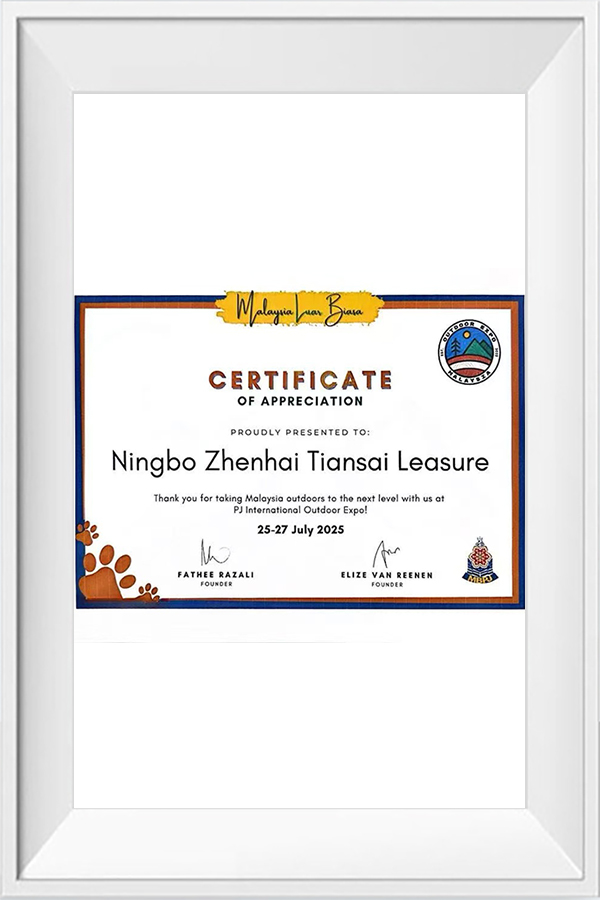
Ningbo Zhenhai Tiansai Leisure Products Co., Ltd. is a well-known brand enterprise specializing in the design, production and sales of . Headquartered in Zhenhai District, Ningbo City, Zhejiang Province, the company has a covering an area of over 13,000 square meters. Leveraging Ningbo's geographical advantage as an important port city, the company's products are exported to many countries and regions around the world.
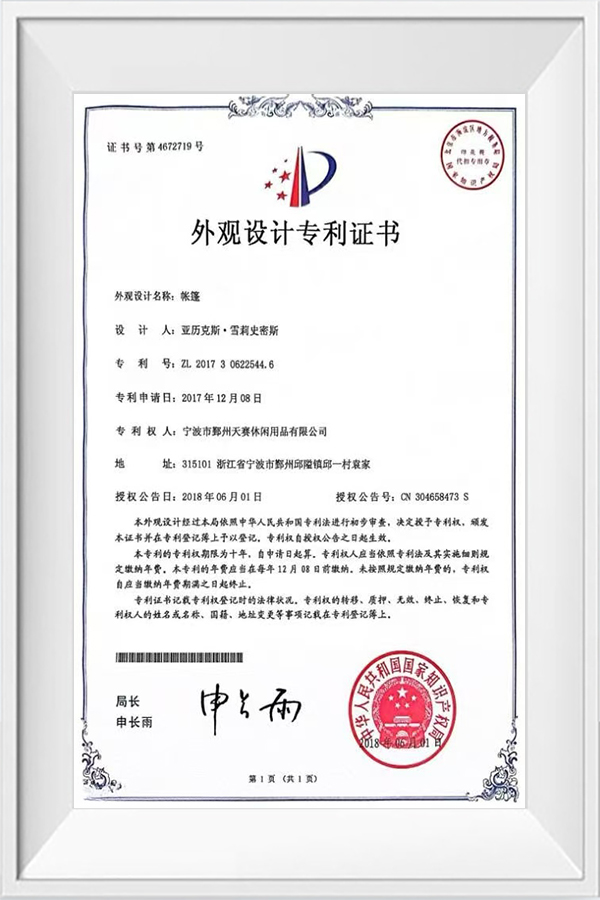
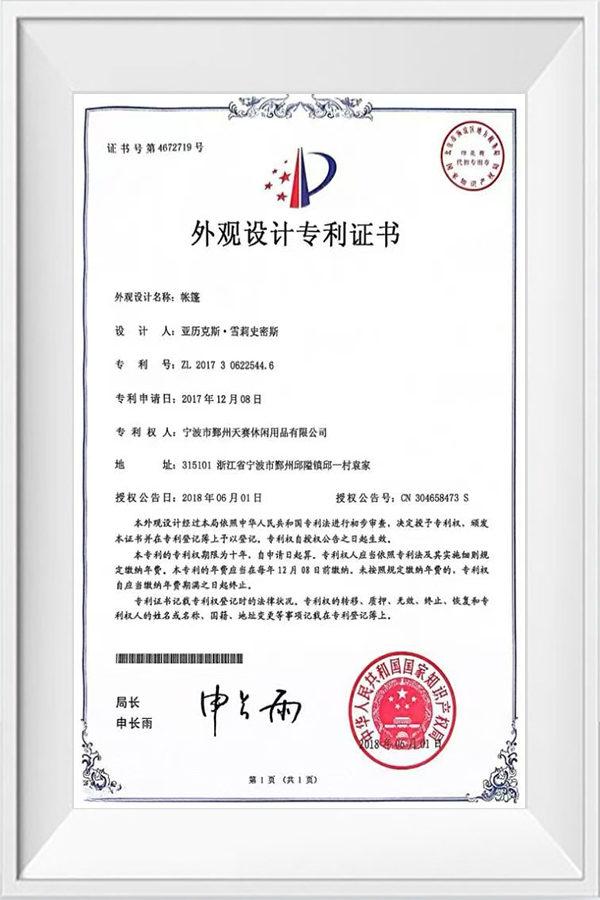
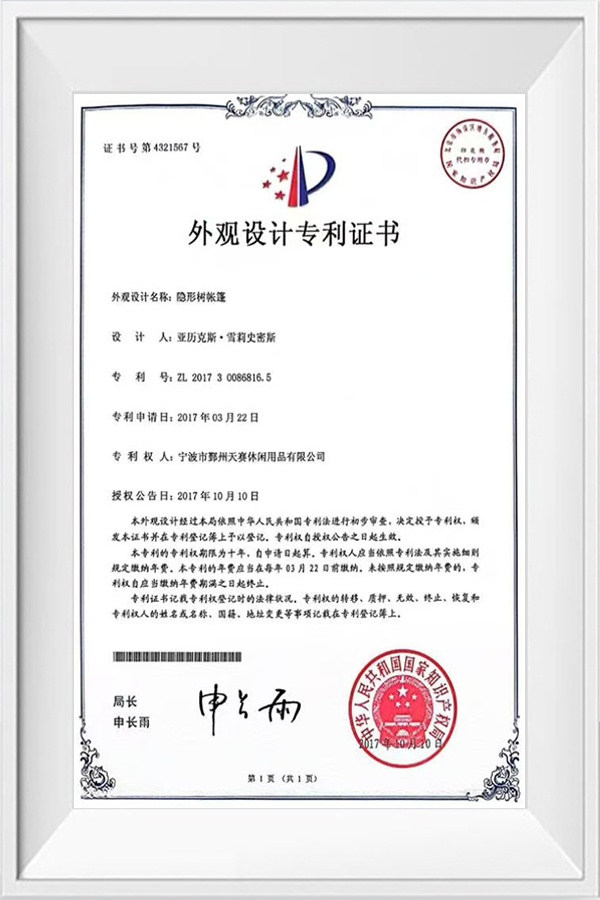
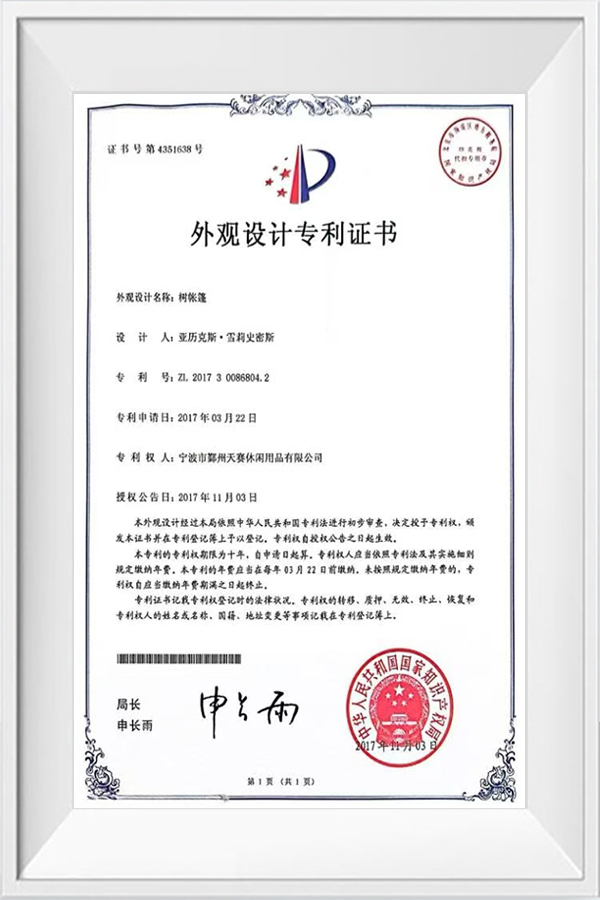
Since its establishment, Tiansai Leisure has become the sole global designated supplier of the British company TENTSILE, and has successfully designed and obtained a number of appearance patents and utility model patents. With excellent quality and outstanding performance, its products have won wide recognition and popularity in North America, Europe, Asia and other regions.
Adhering to the brand concept of "Explore Nature, Enjoy Outdoor", Tiansai Leisure has always been committed to creating high-quality camping equipment for outdoor enthusiasts, advocating for people to go into nature and get close to nature. The company attaches great importance to product innovation and has established a professional design team, polishing each product from the perspective of practicality and comfort. By collaborating with professionals, inviting outdoor enthusiasts to participate in tests, and continuously optimizing designs based on customer experience feedback, the company has been improving product performance.
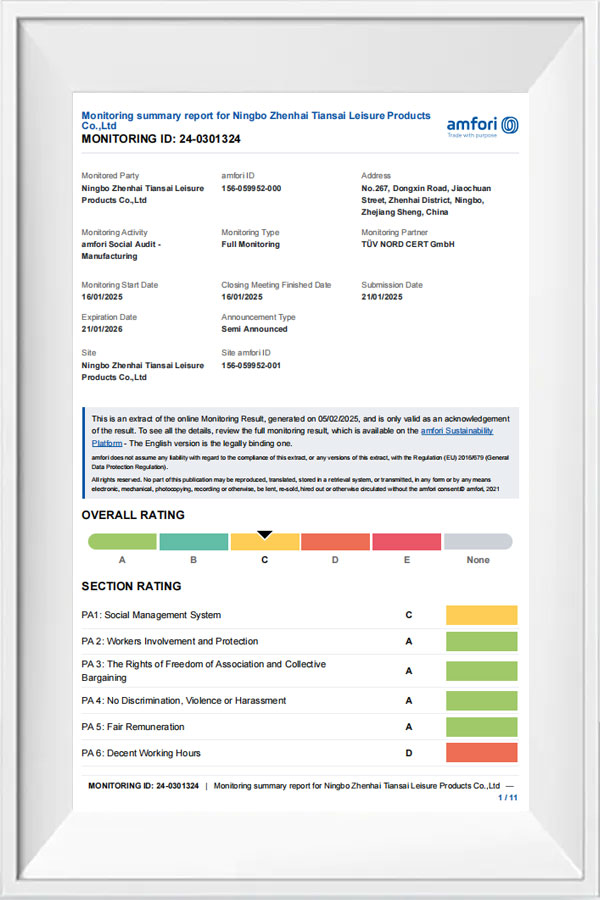
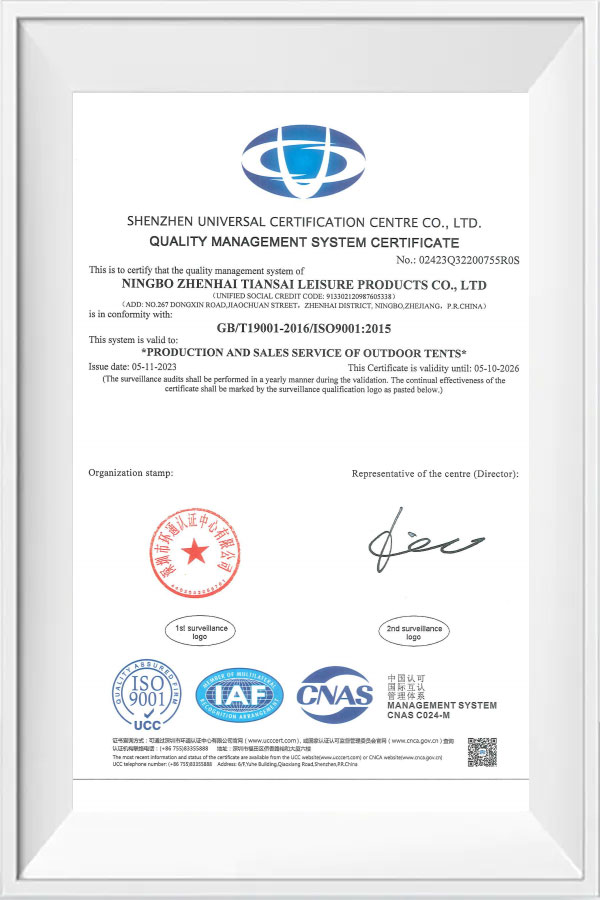
Meanwhile, the company strictly implements a quality management system to ensure that all products meet international standards and build a solid defense for quality. In the future, Tiansai Leisure will continue to increase R & D investment, focusing on lightweight and environmentally friendly materials, and launch more innovative and high-performance products to fully meet the diverse needs of outdoor enthusiasts.
Our Updates
Backpacking & Trekking Tents
Backpacking and trekking tents are portable shelters designed for outdoor users who carry their camping gear over long distances. The core design focuses on balancing lightweight portability with reliable weather protection.
Compared with family camping tents, they are more compact but must still perform in real outdoor environments, offering ventilation, waterproofing, and wind resistance for mountain and open terrain use.
Common Tent Types
Solo hiking and ultralight travel.
Trekking, weekend camping, and retail use.
Small groups and guided outdoor trips.
Long-distance hiking and weight-focused design.
Flexible pitching across different terrains.
Inner mesh + waterproof fly for better protection and airflow.
Lightweight and fast setup for specific conditions.
Each tent type can be customized based on target market, price positioning, climate requirements, and distribution channels.
Suitable Markets and Outdoor Uses
Backpacking and trekking tents serve a wide range of commercial outdoor markets. They are widely used in lightweight camping collections, hiking gear ranges, online outdoor stores, private label programs, and adventure travel equipment packages.
Long-distance trail use for multi-day hiking and trekking adventures.
Overnight stays in forests, hills, alpine and high-altitude environments.
Designed for users who prefer compact and minimal gear setups.
Ultralight tents suitable for bicycle touring and long-distance cycling travel.
Group outdoor programs requiring durable and fast-setup shelter systems.
Widely used in outdoor product listings, seasonal promotions, and online stores.
Used in camping rental programs and guided hiking or trekking services.
Product positioning in this category is strongly influenced by weight, packed size, waterproof rating, and setup time, which directly affect market adoption and sales performance.
Common Materials and Tent Structures
Material selection has a direct impact on tent weight, strength, weather protection, and final cost. Different fabric and pole combinations are used to match entry-level, mid-range, or performance-oriented outdoor products.
Fabric Options
Good tear resistance, stable cost, and wide color availability for mass-market outdoor tents.
Lightweight fabric with strong performance, suitable for backpacking and trekking tents.
Higher durability material commonly used in tent floors or rugged outdoor models.
Waterproof protection with adjustable coating levels for different weather conditions.
Lightweight and strong with excellent water shedding and improved durability.
Polyethylene or coated polyester materials designed for moisture protection and floor reinforcement.
Pole and Frame Options
Lightweight and strong structure offering better wind resistance for performance tents.
Cost-effective option widely used in recreational camping and entry-level tents.
Designed to reduce packed weight and improve portability for outdoor travel.
Improve internal space efficiency and allow faster, easier setup.
Reinforced stability system designed for windy and harsh outdoor environments.
Functional Structure
Provides airflow and insect protection for comfortable sleeping conditions.
External protective layer designed to block rain and harsh weather.
Moisture-resistant base layer that increases durability and insulation.
Extra space for shoes, backpacks, and outdoor gear storage.
Roof vents and windows designed to reduce condensation and improve airflow.
Designed for easy transport, packing efficiency, and retail presentation.
A balanced tent structure must combine durability, comfort, and usability. Key factors such as weight, waterproof performance, ventilation, and setup efficiency directly influence real-world outdoor performance and market acceptance.
Basic Production Process
A stable production process ensures consistent quality in backpacking and trekking tents. Each stage focuses on material accuracy, structural precision, waterproof treatment, and final assembly control.
|
Production Stage |
Description |
|
Product Design |
Tent structure, capacity, pole system, doors, vestibule size, ventilation, and packing design are defined based on product requirements. |
|
Material Selection |
Fabrics, coatings, mesh, poles, zippers, webbing, ropes, stakes, and accessories are selected according to performance and cost targets. |
|
Fabric Cutting |
Fabric panels are precisely cut based on technical patterns to ensure accurate assembly and structural consistency. |
|
Sewing & Assembly |
Components such as rainfly, inner tent, floor, doors, and pole sleeves are sewn and assembled by skilled workers. |
|
Seam Taping / Sealing |
Waterproof seam treatment is applied, especially on rainfly and floor areas, to improve weather resistance. |
|
Accessory Preparation |
Poles, stakes, guy lines, repair kits, storage bags, and manuals are prepared as complete product sets. |
|
Sample Pitching & Structure Check |
Full tent setup is tested to verify dimensions, stability, ventilation, and usability performance. |
|
Quality Inspection |
Includes fabric inspection, stitching quality check, waterproof testing, accessory verification, and random setup tests. |
|
Packing & Shipment |
Finished tents are folded, packed into carry bags, labeled, boxed, and prepared for bulk shipment. |
This production flow can be adjusted based on different tent models, technical requirements, and OEM/ODM private label specifications.
Message Us Right Now!
-
Mp: +86-18858091910
E-mail: [email protected]
Mp: +86 15343681553
E-mail:[email protected]
ADD: No. 529, Guangyuan Road, Xiepu Town, Zhenhai District, Ningbo City, Zhejiang Province, China
-
Quick Links
Home Products About Us Advantage News Contact Us -
Product
Inflatable & Air Tents Glamping & Resort Tents Backpacking & Trekking Tents Automatic & Pop-Up Tents Family & Camping Tents Specialty Tents & Shelters Kids Tents Pet Tents Humanitarian & Large Tents Hammock -
Get Connected
