


 English
  عربى
عربى 

What Makes a Festival Camping Tent Work Well for Multi-Day Events
Staying at a festival campsite for several days is a little different from spending one night outdoors. Once the tent is pitched, it becomes a place to sleep, change clothes, keep bags, and take a break between activities. The way it works can also change as the campsite becomes wetter, warmer, dirtier, or more crowded.
A tent that feels convenient when it is empty may feel quite different after a few days of regular use. Wet shoes can take up space near the entrance. Clothing may need somewhere to dry. Condensation can appear overnight, while sunlight can make the inside warm during the day. Repeated setup and packing can also reveal small problems that were easy to overlook at the beginning.
For this reason, a Festival Camping Tent used for a multi-day event needs to be considered as part of the whole camping routine. Space, airflow, weather protection, stability, setup, and care all have a place in that routine.
What Should a Festival Camping Tent Handle During Several Days
The first night is usually the easiest one. Bags are still neatly packed, clothes are dry, and the campsite has just been arranged. After several days, things tend to look different.
A jacket may be left near the entrance. Shoes can become muddy after rain. Personal belongings gradually spread across the available floor space. The tent door may be opened and closed many times throughout the day. These ordinary actions can have a bigger effect on comfort than expected.
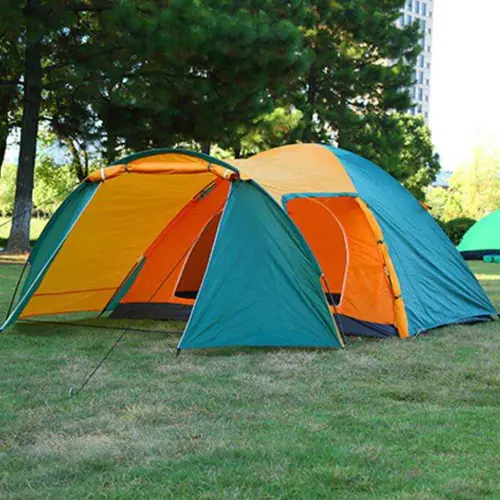
A multi-day campsite needs room for more than sleeping. There should be enough usable space for basic movement and for keeping everyday items within reach. The entrance should also remain reasonably clear, especially when people return after spending time outside.
Some simple arrangements can make the space easier to manage:
- Keep footwear close to the entrance rather than beside bedding.
- Store small personal items in one consistent place.
- Keep frequently used clothing easy to reach.
- Leave enough open floor space for changing clothes.
- Separate damp items from dry bedding where possible.
The condition of the campsite matters too. A tent pitched on dry ground in the morning may face a completely different environment after rain. For a longer stay, flexibility is part of practical use.
How Does Weather Affect a Festival Camping Tent Over Several Nights
Weather tends to become more noticeable when camping continues for several nights. A short shower may not cause much trouble, but repeated wet conditions can change the ground around the tent and make everyday tasks less convenient.
Rain affects more than the outer fabric. Water can collect around the campsite, shoes can become wet, and mud can be carried through the entrance. If the ground remains damp, getting in and out without bringing moisture into the sleeping area requires more attention.
Wind presents another concern. Even when the weather is dry, a campsite in an exposed location can experience strong air movement. The position of the tent, the condition of the ground, and the way it is secured all affect how stable it feels.
Sunlight creates a different problem. During the day, direct exposure can make an enclosed space uncomfortable, particularly when there is little natural shade around the campsite.
| Weather condition | What may happen at the campsite | What to pay attention to |
|---|---|---|
| Rain | Wet ground, muddy entrances, damp belongings | Ground condition and water drainage |
| Wind | Movement of fabric and loose components | Tent position and secure anchoring |
| Strong sun | Warmer interior during the day | Shade and available airflow |
| Damp weather | Moisture inside the sleeping area | Ventilation and drying |
Weather protection is therefore only part of the picture. Where the tent is placed and how the surrounding area is used can make just as much difference during a longer stay.
How Can Ventilation Improve Comfort Inside a Festival Camping Tent
A closed tent can feel very different after several hours of sleeping. The air gradually becomes warmer and more humid, and moisture from breathing can collect inside. Wet clothing or shoes can add to the problem.
Opening the main door is one way to increase airflow, but it is not always practical. Rain, insects, privacy, or activity around the campsite may make a fully open entrance inconvenient.
Smaller ventilation openings can help maintain some air movement while the main entrance remains closed. Their position matters. Air entering from a lower opening and leaving through a higher opening can create movement through the interior, depending on the tent layout and outdoor conditions.
Condensation is another reason to pay attention to airflow. Moisture may collect on cooler sections of the fabric, especially overnight. Bedding placed directly against a damp surface can then feel uncomfortable in the morning.
There is also a simple campsite habit worth considering: do not treat the sleeping area as a drying room. Wet clothes and shoes release moisture as they dry. Keeping them near an entrance or in a separate area can reduce the amount of moisture inside the sleeping space.
Good airflow does not remove every moisture problem, but it can make the interior easier to live in over several nights.
How Much Space Does a Festival Camping Tent Need for Daily Gear
People often think about tent size in terms of how many people can sleep inside. That is only one part of the calculation.
A person may arrive with a bag, jacket, shoes, clothing, and other personal belongings. Once those items are inside, the amount of free floor space can shrink quickly. Two people sharing a tent may notice this even more when both need somewhere to change clothes or reach their belongings.
The entrance is particularly important. Shoes and bags tend to end up there because they are used frequently. If that area becomes blocked, entering and leaving becomes awkward.
A simple interior layout can help. Sleeping areas can remain toward the back, while frequently used items stay closer to the entrance. Smaller belongings can be grouped together instead of being scattered across the floor.
For a longer stay, it helps to think about the tent in sections:
- Where will people sleep?
- Where will bags remain during the day?
- Where will shoes be placed?
- Where can clothes be changed?
- Which items need to be reached during the night?
Answering these questions before setting up can prevent the interior from becoming cluttered later.
Extra space does not automatically solve every problem. If storage is poorly arranged, even a larger tent can become difficult to move around in. The layout and the way the available space is used are closely connected.
What Helps a Festival Camping Tent Stay Stable on Busy Campsites
The ground underneath the tent deserves attention before anything is unpacked. A surface that looks suitable from a distance may contain loose soil, small depressions, exposed roots, or areas where water is likely to collect.
A reasonably flat area makes pitching easier and gives the tent a more even base. The surrounding space should also be considered. Festival campsites can become busy, and people may walk past carrying bags or equipment.
Guy lines should not be left across obvious walking paths. If they need to extend outward, their position should be clear enough for people moving around the campsite to notice them.
The anchoring points also need to suit the ground. Loose soil may not hold a peg in the same way as firmer ground. After strong wind or heavy rain, it is worth checking whether the anchors remain secure.
The shape of the campsite can matter as well. An exposed position may receive more wind, while a low area can collect water after rain. Nearby branches or other objects may also create problems during poor weather.
Stability is therefore closely tied to where and how the tent is pitched. A careful setup at the beginning can reduce the need for repeated adjustments later.
How Can a Festival Camping Tent Be Easier to Set Up and Pack
Arriving at a festival campsite usually means there is already plenty to carry. Bags, personal equipment, food, and outdoor items may all need to be moved from one place to another. The tent should not create unnecessary confusion during that process.
Before pitching, it helps to keep the different parts together. Poles, pegs, fabric, and smaller components are easier to handle when they are not mixed with unrelated equipment.
The same applies when taking everything down. Packing in a hurry can leave mud on the fabric or moisture trapped between folded layers. A few minutes spent checking the components can make the next setup less troublesome.
A practical packing routine may look like this:
- Shake or brush off loose dirt.
- Separate wet fabric from dry items.
- Check the poles before putting them away.
- Gather pegs in one place.
- Fold the fabric without trapping unnecessary moisture.
- Keep small components together.
The carrying process should also be considered. A tent may be simple to pitch but inconvenient to move if the packed form is awkward to handle. This becomes more noticeable when the distance between parking areas, entrances, and campsites is considerable.
Ease of handling is therefore part of the camping experience, not just a matter of setup speed.
How Should a Festival Camping Tent Be Dried and Stored After Use
The condition of the tent when it goes into storage can affect how it feels the next time it is unpacked.
A common problem occurs when damp fabric is folded and left inside a closed storage bag. Moisture has little opportunity to escape, and an unpleasant smell can develop. The fabric may also remain damp in areas that were not obvious when packing.
Ideally, the tent should be opened and allowed to dry properly after use. If weather or travel arrangements make that impossible at the campsite, it can be unpacked later in a suitable dry place.
Mud needs attention too. Large pieces of dirt can usually be removed before the fabric is packed away. Once the tent is dry, remaining dirt can be dealt with more carefully.
It is also worth checking the smaller components. A damaged pole, dirty zipper, missing peg, or loose connection may not seem important at the end of an event. It can become a problem when the tent is needed again.
| Part of the tent | Check after use |
|---|---|
| Fabric | Dirt, moisture, and visible damage |
| Floor | Mud, damp areas, and debris |
| Poles | Bends, cracks, or loose sections |
| Pegs | Remaining soil and visible wear |
| Zippers | Dirt or resistance during movement |
| Storage bag | Moisture and accumulated debris |
Storage should be dry and reasonably clean. Keeping the equipment in a damp area can undo the effort spent drying it after the festival.
What Features Matter When Using a Festival Camping Tent Repeatedly
After several camping trips, small details become easier to notice. A door that is awkward to open with a bag in hand, a storage area that is difficult to reach, or a tent that takes too long to pack can become a recurring inconvenience.
The same is true of ventilation. A tent may feel comfortable during a cool evening but become noticeably warmer during the following afternoon. If airflow is limited, moisture can also become more noticeable after repeated overnight use.
Space and organization work in a similar way. A sleeping area that is comfortable when empty may feel crowded once clothing, shoes, and bags have accumulated inside. A sensible layout can reduce this problem without requiring every item to be removed from the tent.
Maintenance is another part of repeated use. Fabric, poles, pegs, zippers, and storage components all go through handling each time the tent is used. Cleaning and checking them after an event can help identify minor issues before they interfere with another trip.
A Festival Camping Tent used repeatedly is therefore part of a cycle:
Carry → Pitch → Organize → Sleep → Ventilate → Adjust → Pack → Dry → Store
Each stage affects the next one. A rushed packing process can make storage more difficult. Poor ventilation can leave the interior damp. Poor campsite selection can create stability problems. Cluttered storage can make everyday movement harder.
Looking at the complete routine gives a more realistic picture of how a tent performs during a multi-day festival stay. Rather than focusing on one feature alone, it is useful to consider how the space, weather protection, airflow, stability, handling, and maintenance work together throughout the time spent at the campsite.
Message Us Right Now!
-
Mp: +86-18858091910
E-mail: sales@tenplaytent.com
ADD: No. 529, Guangyuan Road, Xiepu Town, Zhenhai District, Ningbo City, Zhejiang Province, China
-
Quick Links
Home Products About Us Advantage News Contact Us -
Product
Inflatable & Air Tents Glamping & Resort Tents Backpacking & Trekking Tents Automatic & Pop-Up Tents Family & Camping Tents Specialty Tents & Shelters Kids Tents Pet Tents Humanitarian & Large Tents Hammock -
Get Connected
 Camping Tent Manufacturer in China